


/file/publisher-c1a3f893382d2b2f8a9aa22a654d9c97/2024/06/5493214acfe684b4bf139df3918aca8b.jpg)

M'sia doesn't deserve Tier 2 in US human trafficking ranking - activists
Migrant rights activists have criticised the US State Department’s Trafficking in Persons Report (TIP) for this year, which elevated Malaysia to a better ranking for supposedly having made significant efforts to combat the crime.
They claimed that there had been no significant improvements on the ground when it comes to government efforts against labour trafficking activities, and thus did not deserve such a status upgrade.
Migrant rights activists have criticised the US State Department’s Trafficking in Persons Report (TIP) for this year, which elevated Malaysia to a better ranking for supposedly having made significant efforts to combat the crime.
They claimed that there had been no significant improvements on the ground when it comes to government efforts against labour trafficking activities, and thus did not deserve such a status upgrade.
“Based on years of unsuccessful engagement with the government on cases of alleged human trafficking and forced labour, surely like many other civil society actors in the region, I strongly disagree with today’s Tier 2 upgrade from Tier 2 Watch List for Malaysia in the 2024 US State Department’s TIP Report.
“I have long concluded that a failed migrant work management and recruitment system continues to exist in Malaysia that promotes impunity, is devoid of the rule of law and is systemically corrupt.
“There is little to no accountability for this dire situation, and no remediation at all of its victims,” said Andy Hall in a statement.
Instead, Hall said, Malaysia should be downgraded to Tier 3 for its alleged inability to meaningfully combat labour trafficking.
‘Disappointing upgrade’
According to the activist, who has been active in highlighting forced labour issues involving migrant workers, the government has also failed to ensure remediation of victims and accountability of perpetrators.
“Today’s upgrade for Malaysia is disappointing and raises genuine concerns about the legitimacy and accuracy of the US government’s country-based human trafficking assessments, and the politics involved in the ranking decisions.”
In a similar tone, North South Initiative executive director Adrian Pereira expressed his shock to see the ranking given to Malaysia this year.
Adrian claimed that it was “impossible” for the country to rise in the TIP Report if the US were to see the reality on the ground.
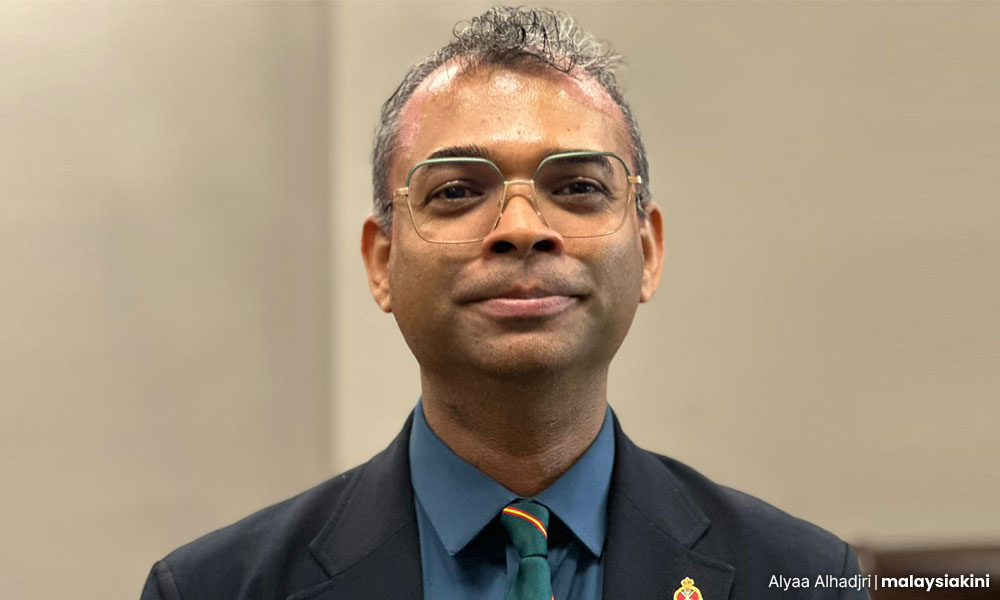
“The situation on the ground is really bad. Nothing has really changed, and workers are still being trafficked, forced labour (is still occurring), and slow access to justice.
“We were expecting Malaysia’s ranking to be downgraded this year, or status quo at the most. We did not expect (it to be upgraded to) Tier 2,” he told Malaysiakini.
The activist believed there were some flaws in the methodology used by the US State Department to evaluate the trafficking situation.
While statistics might show some improvement in Malaysia, Adrian claimed they did not represent reality.
He also speculated that the US could have been politically driven in its decision to improve Malaysia's TIP ranking, including to help Putrajaya give a good impression to potential investors.
“The Americans have also spent a lot of money in Malaysia, where they funded various projects to help the country combat its human trafficking problem.
“It would be embarrassing for them if their efforts didn’t really help solve forced labour issues in the country.
“So, I think they had to do some whitewashing,” Adrian claimed.
Increased efforts
The US State Department in its latest TIP Report elevated Malaysia’s position to Tier 2, up one notch from last year where it was placed in the Tier 2 (Watch List) category.
However, the report noted that the country still falls short of meeting the standards for combating human trafficking.
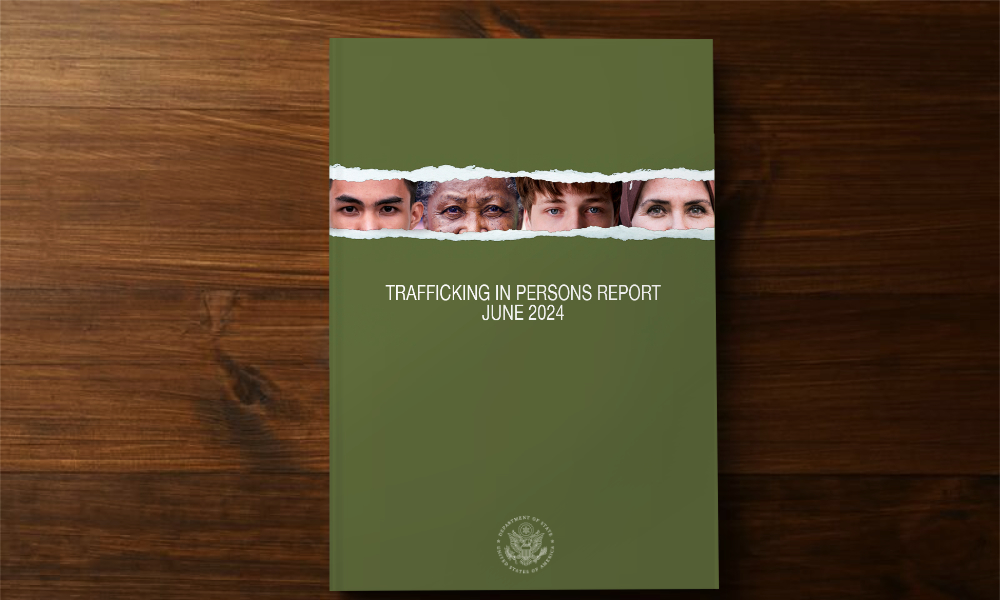
Despite not meeting anti-trafficking standards, the report acknowledged that the government had made increased efforts, such as boosting the number of trafficking investigations, convicting more traffickers, and prosecuting allegedly complicit officials.
This is the second time the country has reached this position. The first was back in 2017.
This year, neighbouring countries in Tier 2 include Vietnam, Thailand, Bhutan, and Bangladesh, while Singapore, Taiwan, the Philippines and South Korea made it to Tier 1.
/file/publisher-c1a3f893382d2b2f8a9aa22a654d9c97/2024/04/386882ce803fa087cf2c4e01a982c25c.jpg)
/file/publisher-c1a3f893382d2b2f8a9aa22a654d9c97/2024/05/9a3da0122e9eab564e39879df7c1a844.jpg)
/file/publisher-c1a3f893382d2b2f8a9aa22a654d9c97/2024/03/60e92daf187c89b233b257248c1330a3.jpg)
/file/publisher-c1a3f893382d2b2f8a9aa22a654d9c97/2023/11/4de59f6eb9bcee2527de9bc7d45f3245.jpg)
/file/publisher-c1a3f893382d2b2f8a9aa22a654d9c97/2020/10/05cc3403db1fe1e99fe5e81a3416e291.jpg)
/file/publisher-c1a3f893382d2b2f8a9aa22a654d9c97/2021/06/b1c5095d235cc8e7d4a87b2627c3a4d0.jpg)


Report this comment
Are you sure you want to delete this comment?
This action cannot be undone.