


/file/publisher-c1a3f893382d2b2f8a9aa22a654d9c97/2024/09/a9394fb954be1a441d95914d9e5439bc.jpg)

Locals empowered to protect Sabah rivers now reap aquatic bounty
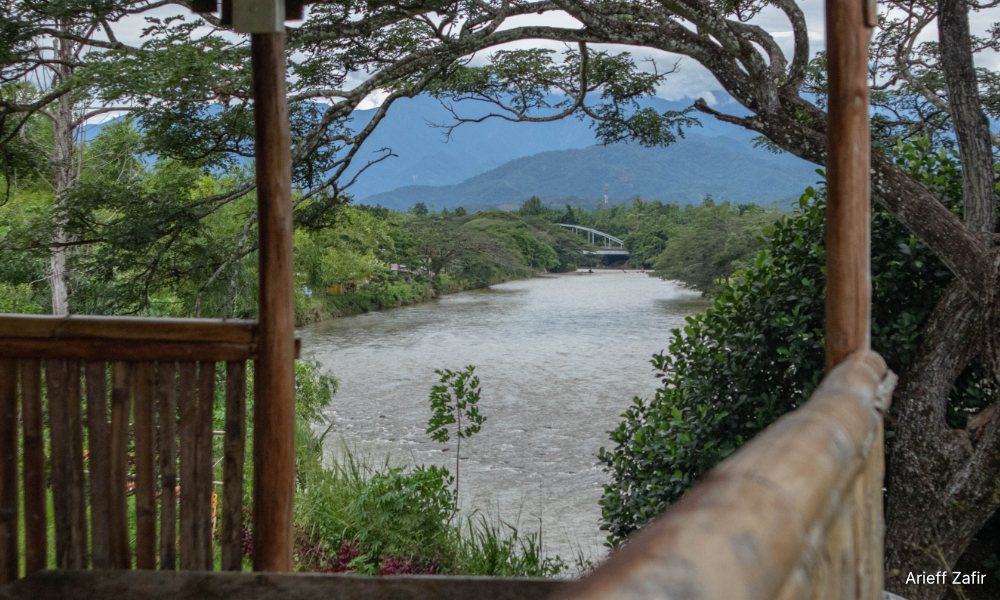
A large river, Sungai Kadamaian, curls around the village. Towering nearby are the prominent mountains of Kinabalu and Nungkok, with smaller densely forested hills that roll endlessly under the white misty sky.
“Setiap kampung yang ada sungai, mesti jaga ikan (Every village that has a river, must care for its fish),” said Jahim Singkui, 58, chairperson of the Tagal committee in Kampung Tambatuon.
He proudly displayed his phone, containing photos of...
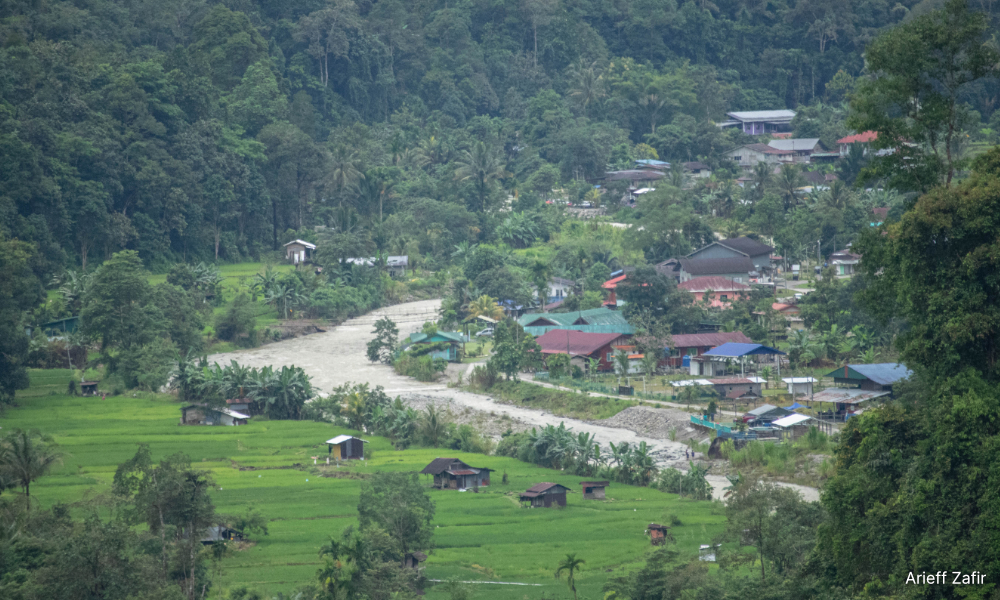
The view of Kampung Tambatuon in Kota Belud, Sabah, is so breathtaking that one constantly gushes in awe.
A large river, Sungai Kadamaian, curls around the village. Towering nearby are the prominent mountains of Kinabalu and Nungkok, with smaller densely forested hills that roll endlessly under the white misty sky.
“Setiap kampung yang ada sungai, mesti jaga ikan (Every village that has a river, must care for its fish),” said Jahim Singkui, 58, chairperson of the Tagal committee in Kampung Tambatuon.
He proudly displayed his phone, containing photos of fishes found in this river, ranging from ikan pelian to ikan serawi - which are native to Sabah.
"Tagal is a traditional indigenous river management system, and as head of the committee in his village, Jahim has many stories about how the river was revived."
READ MORE: How indigenous practices revive Sabah’s ecosystem, one river at a time
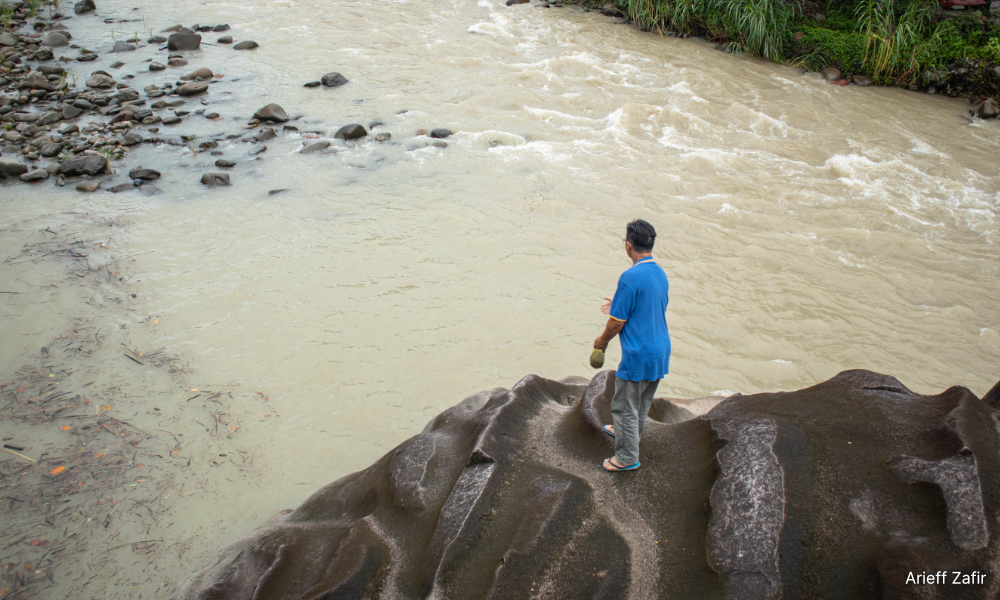
On the day Malaysiakini met with him at Kampung Tambatuon, the rain had turned the river murky brown - the colour of teh tarik.
But Jahim, who is from the Dusun Tindal indigenous group, said no matter how heavy the rain, the fish always return.
“As long as we collectively take care of them,” he said.
Tagal, also known as bombon, is a Kadazandusun community-based approach to managing fish resources, supported by the Sabah Fisheries Department (DOFS).
This system regenerates river ecosystems for the long term and prevents freshwater fish from becoming extinct.
It does so by dividing the river into three zones - red, yellow and green - where fishing is regulated.
Red zones prohibit fishing; yellow zones allow limited fishing during community celebrations and green zones are open for fishing.
The system owes its success to the participation of the community.
“Our responsibility is to take care of the quality of our rivers,” said Norhayati @ Yati Assry, a sprightly woman who took over her late husband’s role as the chairperson of the Tagal committee at the famous ecotourism site of Kampung Luanti Baru.
She is also the chairperson of the Ranau district’s Tagal committee.
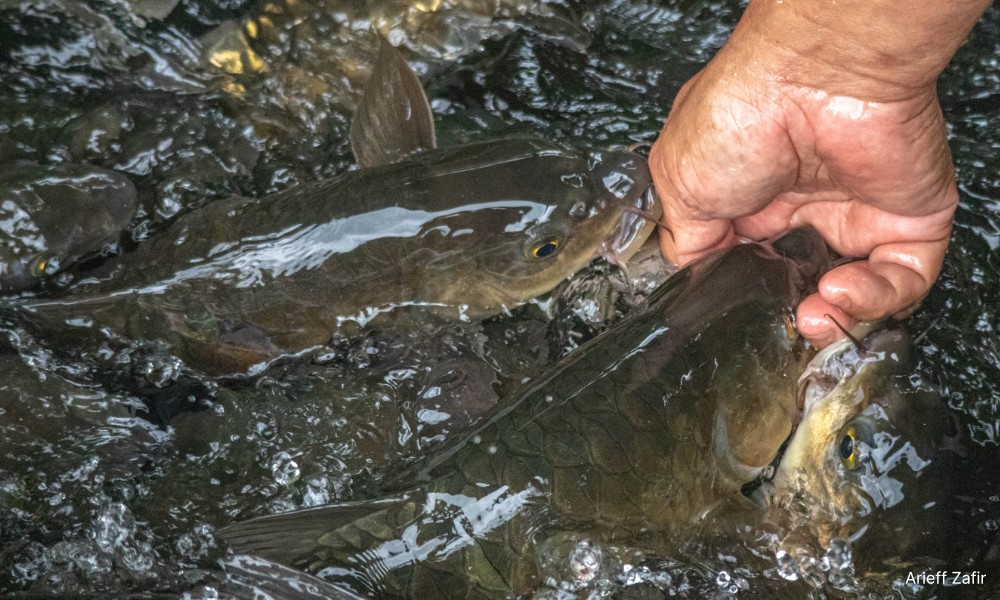
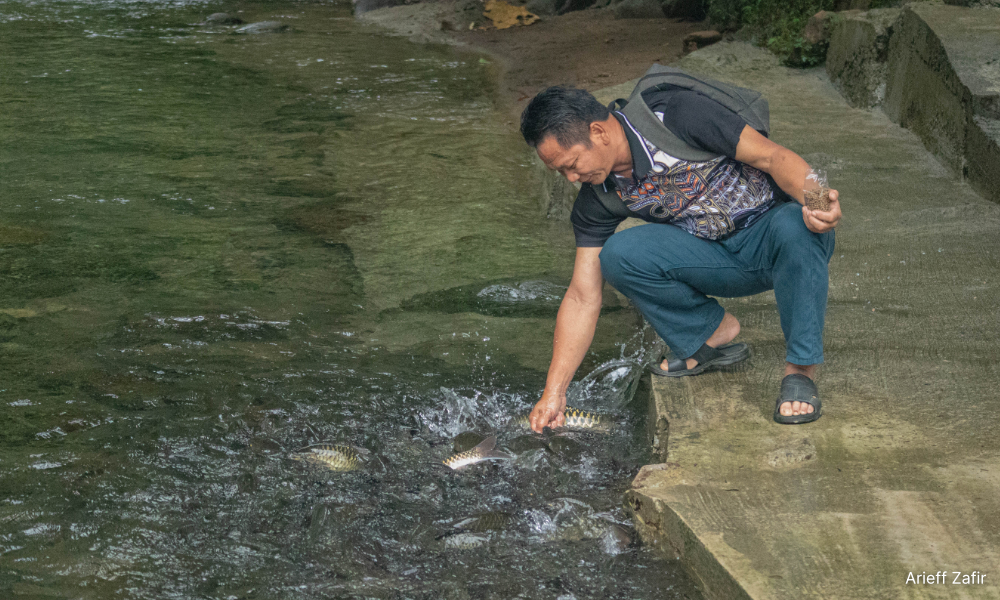
Villages like Luanti Baru, which saw 70,000 visitors last year according to DOFS’ Tagal unit, have reaped the benefits of the Tagal system in the form of ecotourism opportunities such as fish massages and spa services.
There has also been an economic boost in the form of cafeterias and convenience stores.
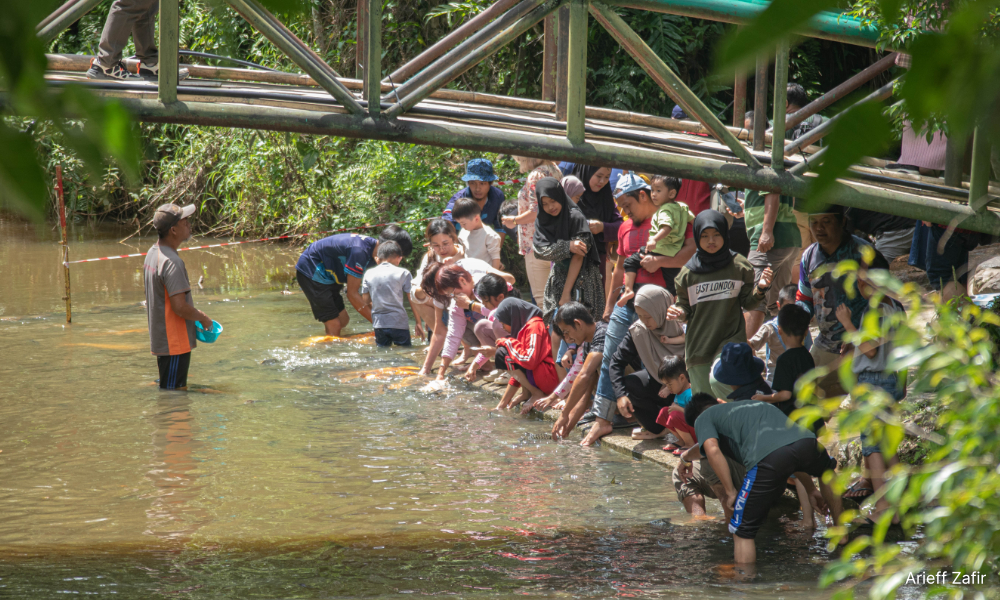
Yati follows the Tagal system strictly. Even when Agriculture and Food Security Minister Mohamad Sabu asked if he could fish in the river’s red zone during his visit in July, Yati declined and said her commitment is to her community.
“We’d have to fine him if he did!” she said, laughing.
She said her community’s rules go beyond individual needs.
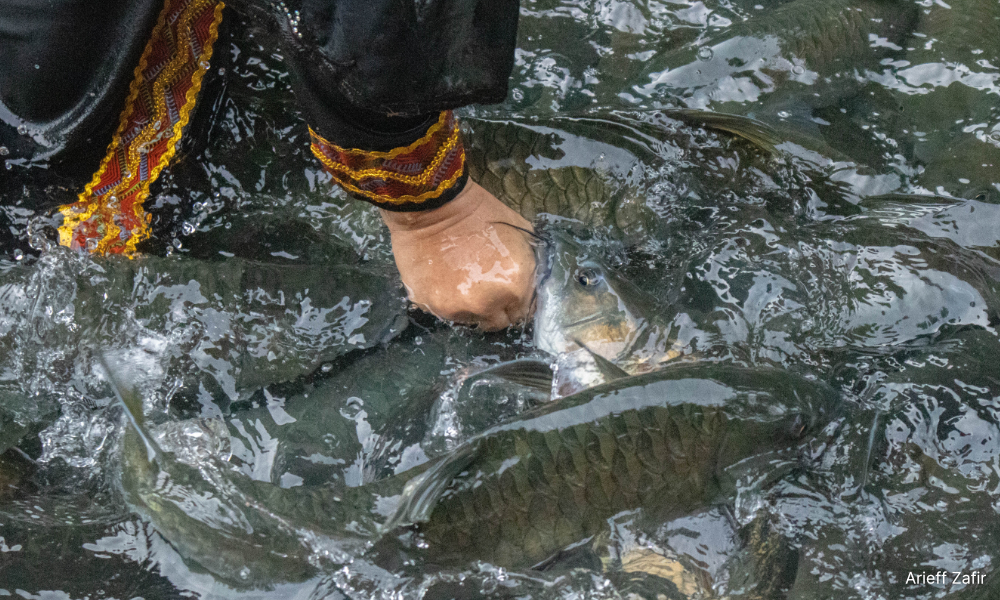
“We want to ensure the next generation can appreciate how rivers have always been,” she added, as she hand-feeds fish moving swiftly in the river.
The income from these economic activities is not only divided among Tagal committee members and operating staff as salaries.
The money also provides for the needs of villagers, ranging from financial support for school leavers to job opportunities for single mothers.
Florina Glorius of the Tinopikon Park in Kampung Notoruss, Penampang, shared that her Tagal committee mostly hires single mothers, grandmothers and youths to work at their Tagal site.
She said money raised from ecotourism there is used to pay their salaries, while the remainder is pooled in a community fund.
“It’s not easy for our grandmothers to farm in the forests at their age now,” she said. “Here, women play an important role. The first chairperson who established our Tagal as an eco-tourist spot in 2013 was a woman”.
Beyond river conservation, the Tagal system also played a crucial role in protecting land from encroachment and development.
In one notable case at Jahim’s community in Kampung Tambatuon, the villagers successfully fought against a controversial dam proposal, by showing how the project would impact the river, which is an integral part of their heritage and livelihood.
“From Tagal, we got the courage to oppose,” he said.
Why community matters
Villagers take pride in their roles to ensure that the rules are followed and rivers are protected.
It is this strong sense of community, along with the understanding of indigenous culture, communication, and monitoring, that has been important to the success of the Tagal system.
This is why community buy-in is important, said Ramlie Raiman, who is the DOFS’ Ranau district head.
“We have to know the community, follow their rules and resolve any issues to build trust,” he said. “Before we carry out Tagal, we need to do a taklimat (briefing) on what Tagal is, and why it benefits the community.”
DOFS also set a condition that at least half the community must agree to undertake the Tagal system before the department pursues a collaboration, said DOFS’ Tagal unit head Bernedeth Joseph.
“The community must be sepakat (united) and satu hati (of one heart)... Otherwise, the Tagal will not be successful,” she said.
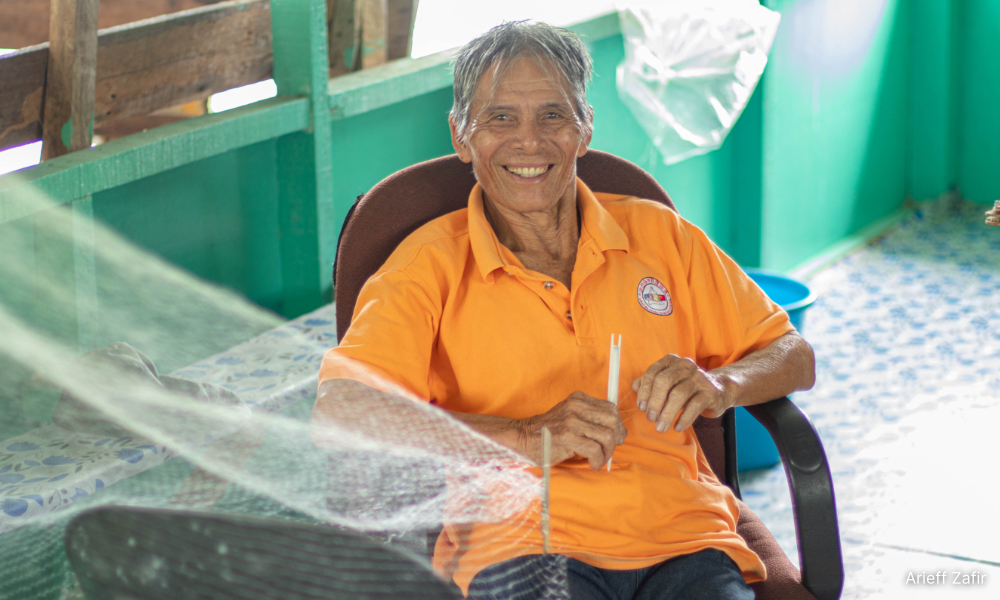
Most of the officers from the Fisheries Department are indigenous themselves and understand the value of the system. Still, there sometimes have to be adjustments to suit the villages’ needs.
For example, in Papar, one Tagal system initially covered a river shared by three villages, said Bernedeth. Due to disagreements between the villages, the system was divided into three zones.
Similarly, she explained that instead of placing up to 12km of river under the Tagal system as they did before, they now limit Tagal zones to a maximum of 5km to make them more manageable.
To spur interest by villagers, the Buka Tagal season is held annually, which is a harvesting period when villagers can fish in red zones that were previously off-limits.
This allows the community to enjoy the benefits of the Tagal system.
Villagers arrive in droves to the rivers to fish, and competitions are held for the heaviest or most unique fish one can catch, to encourage community togetherness.
Boniface Jiran, a 45-year-old leader of the Tagal committee at Kampung Tambulion Ulu, said people can catch up to RM300 worth of ikan pelian.
The committee’s secretary, Boniface’s cousin, Masnali Sentem, 33, also enjoys fishing. The committee also appointed a designated fishing team for those who cannot make it to the river.
To ensure community support, the committee always tries to ensure all voices are heard, Boniface said.
“At first, people couldn’t accept the new changes in our Tagal system. They accepted it when they started observing a wider range of fish population in the rivers,” he said. “We try to make sure this is based on suara ramai (voice of the majority).”
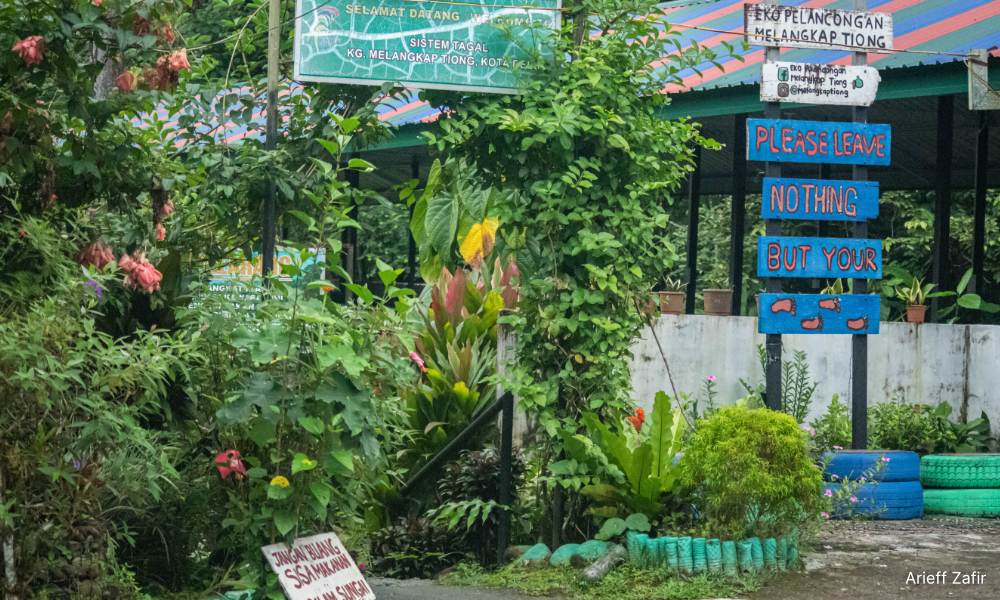
Continuous support from DOFS in the form of funding, training and resources has been key to sustaining these initiatives. Depending on the arrangements, the department also provides infrastructure like toilets and resting huts, along with fish seedlings and fishing tools like nets.
“The most basic is signboards to inform communities that an area has become Tagal,” said Bernedeth, adding that they also conduct meetings or monitoring from time to time at the different villages.
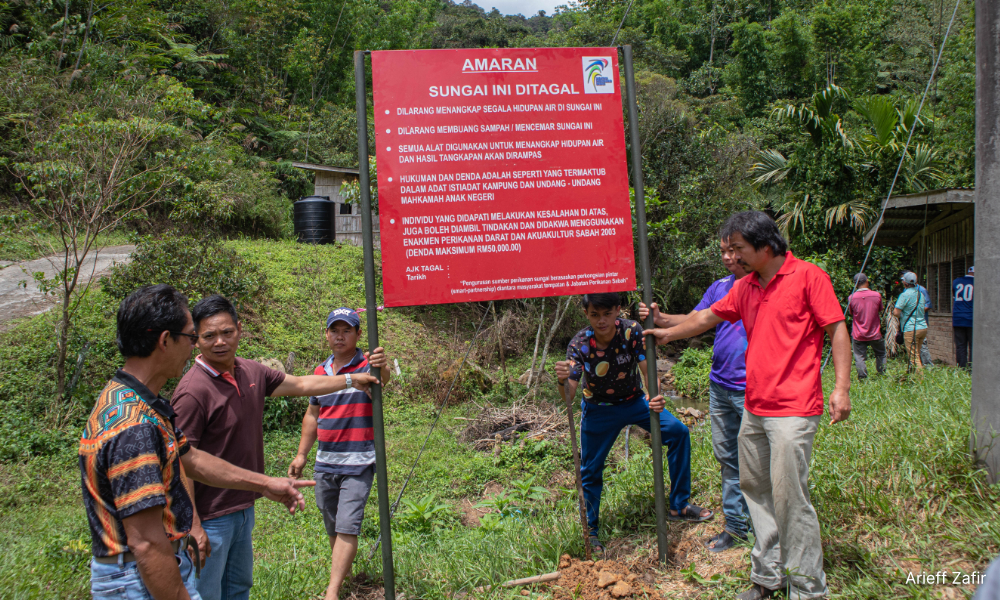
Adrian Banie Lasimbang, the founder of Tonibung, an indigenous-run social enterprise believed Tagal succeeded not just because of community engagement but because free, prior and informed consent was obtained from the community.
“That is the principle of Gompi Guno in Sabah—or ‘use and protect’,” said Adrian, a Kadazan-Dusun who has experience in community mapping and community-run initiatives.
He referred to the principle that natural resources like rivers are treated as communal for indigenous peoples, who ensure the resources they use are also being cared for.
“It is the basic principle of resource management of indigenous peoples. It is a way of life, already infused in the way we respect nature and maintain the harmony where the resources are,” he explained. “That’s the principle behind Tagal.”
Tagal’s success is also a boon for researchers, who now have access to indigenous knowledge and conservation practices, said Gerald Jetony of the Sabah Biodiversity Centre. The way Tagal is practised also underscores deep respect for native knowledge, he said.
“My perspective on the reason Tagal is successful is that the villagers are empowered to protect their river,” he said. “By that, they are the custodians of the river, they are given a mandate by the authorities to regulate all and penalise the wrongdoer. The people are respected.”
It is for this reason that his village has a community protocol, said Domius Talindap, chairperson of the Tagal committee at Kampung Melangkap Tiong in Kota Belud.
Domius, who is of Dusun Liwan roots, said his village’s protocol was developed via interviews with fellow residents.
Among the protocols agreed to was that all organisations or researchers entering the village must first seek permission before beginning any project.
This empowers the community to not only support their heritage and livelihood but is a way to safeguard their rights and autonomy over their rivers and land, he said.
“If we don’t introduce Tagal, they (outsiders) will take whatever they want from here,” said Domius. “That’s one of our aims, to stop anyone from taking anything from our area.”
LIANI MK is a journalist whose work focuses on land and indigenous rights, culture and migration. This article was produced with the support of Internews’ Earth Journalism Network grant for indigenous environmental journalists.
Tomorrow: Climate change, invasive species a challenge for Sabah’s river conservation
/file/publisher-c1a3f893382d2b2f8a9aa22a654d9c97/2024/08/38cf051d370e7a1a50065cb79a49b27c.jpg)
/file/publisher-c1a3f893382d2b2f8a9aa22a654d9c97/2024/08/65be0402effa7183fd43dc48a0c7b16e.jpg)
/file/publisher-c1a3f893382d2b2f8a9aa22a654d9c97/2024/06/f0a2f16a5453a2d5de05144c2703b7c1.jpg)


Are you sure you want to delete this comment?
This action cannot be undone.