


/file/publisher-c1a3f893382d2b2f8a9aa22a654d9c97/2023/06/cb28be634caa3718e2effa94b8864cc5.jpg)

Govt's sudden axing of S'wak conservation project stuns int'l donors
The Sarawak Forest Department’s sudden cancellation of the US$1.4 million (RM6.03 million) conservation project in Baram has shocked international donors.
It was reported that representatives from the donors including the government of Japan, the City of Basel in Switzerland, and the Swiss NGO Bruno Manser Fund arrived in Miri to attend a project meeting, but were told the project was scrapped.
“There is no sustainability without transparency. We regret that the International Tropical Timber Organisation...
The Sarawak Forest Department’s sudden cancellation of the US$1.4 million (RM6.03 million) conservation project in Baram has shocked international donors.
It was reported that representatives from the donors including the government of Japan, the City of Basel in Switzerland, and the Swiss NGO Bruno Manser Fund arrived in Miri to attend a project meeting, but were told the project was scrapped.
“There is no sustainability without transparency. We regret that the International Tropical Timber Organisation (Itto) failed to act with sufficient independence from its execution agency, the Sarawak Forest Department.
“The Itto should have made it clear from the beginning that, in an internationally funded project, key principles such as transparency and adherence to free, prior, and informed consent (FPIC) standards are non-negotiable,” Bruno Manser Fund director Lukas Straumann said in a statement today.
The project, which involved the management of 285,000ha of forest and agricultural land in the Upper Baram region, initially began as an indigenous-led conservation project dubbed the Baram Peace Park.
It was later submitted to Itto for funding by the Malaysian government, and approved by the International Tropical Timber Council at its 57th session from November to December 2021. It commenced in September 2023.
‘Stakeholders want different things’
However, at the meeting last Thursday, the department said it wants the project scrapped because the stakeholder objectives are not aligned.
In a statement to local media, the department also blamed local NGO Save Rivers and Bruno Manser Fund for scuttling the project through various “disruptions”.

“This includes the submission of official letters to high-level officials, overseas demonstrations, and publishing damaging articles containing unsubstantiated allegations against Sarawak and the Itto without consulting project partners,” the department’s director Hamden Mohammad said at Thursday’s meeting, as reported by The Borneo Post.
Itto executive director Sheam Satkuru said the organisation notes the request to terminate the “first of its kind” project and said it will need to go through the due procedures.
“Itto fully appreciates the complexities and sensitivities involved in this project and was determined to ensure that its key outcomes were attainable through close collaboration amongst all partners.
“It is indeed highly unfortunate that this innovative project will not be completed as planned,” she said, as reported by the Itto.
Project steered away from main objective
In a statement today, Bruno Manser Fund and Save Rivers said the project had steered away from its main objectives after funding was secured.
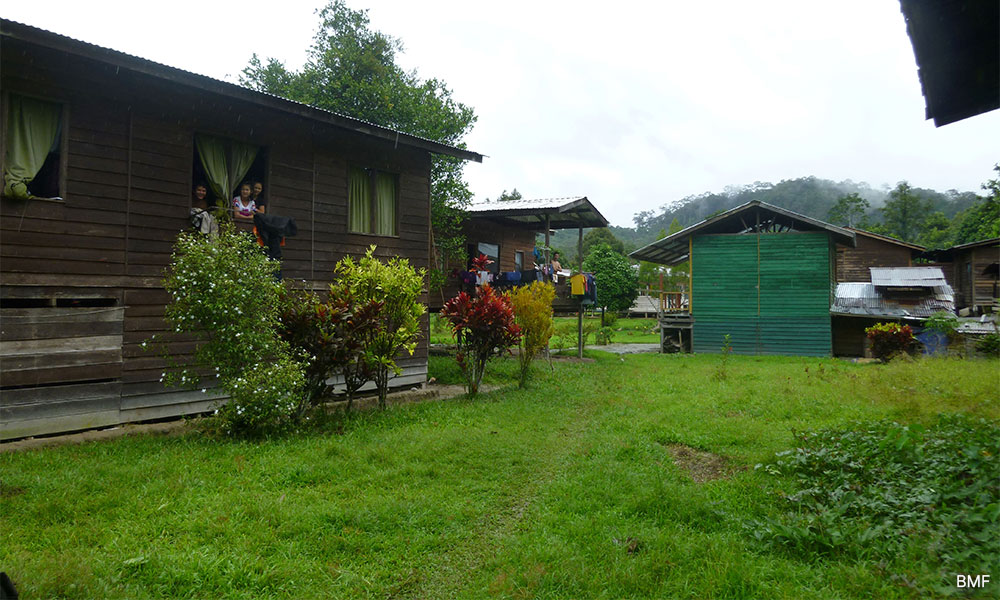
They said the main goal was to excise some 79,000ha of primary forest from existing logging concessions for conservation.
However, at the end of 2023, when two major logging concessions in the region expired, a new concession was granted to Borneoland Timber Resources Sdn Bhd, owned by politically linked businessperson Hii King Chiong.
Hii, who holds shares and is a director of Borneoland Timber Resources, was BN’s candidate for Pujut in the 2016 Sarawak election and a known local timber tycoon and philanthropist.
In July, he was pictured on stage with Sarawak Premier Abang Johari Openg, during the officiating of Miri’s SJK(C) Chiaw Nan, where Hii is deputy chairperson of the school board.
Communities in the dark
Save Rivers and Bruno Manser Fund believed the department cancelled the project after coming under pressure to reveal details of the Borneoland concession.
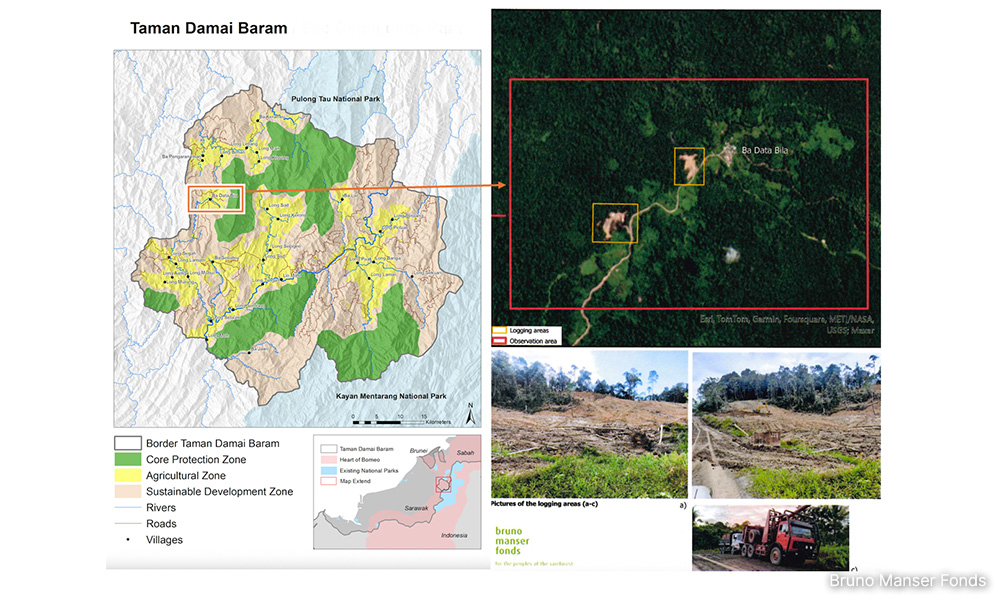
The department earlier denied fresh logging in the Upper Baram forest area, but satellite images published by The Borneo Project in August showed what appeared to be fresh logging trails.
“Despite promises of inclusivity, communities and civil society have consistently been left out of the loop, and our concerns have gone unanswered,” said Celine Lim, managing director of Save Rivers.
“We expected the project to prioritise the principles of FPIC, sustainable land management and self-determination.
“These guiding values, reaffirmed in a declaration by participating communities last year, are essential. However, we were disappointed by the stance of the department.”
/file/publisher-c1a3f893382d2b2f8a9aa22a654d9c97/2023/01/c93399091810261d5c3f753db10f54b1.jpg)
/file/publisher-c1a3f893382d2b2f8a9aa22a654d9c97/2023/06/71840a7fd1d0ad3129b85384bbdbde85.jpg)
/file/publisher-c1a3f893382d2b2f8a9aa22a654d9c97/2023/05/a526b5aadcc2c4b22197f18d48baef1f.jpg)
/file/publisher-c1a3f893382d2b2f8a9aa22a654d9c97/2021/03/75c3cdd52ee169f5a9857326a44c58ce.jpg)
/file/publisher-c1a3f893382d2b2f8a9aa22a654d9c97/2023/05/f47115a799605ca180e0af10fd4ec85a.jpg)
/file/publisher-c1a3f893382d2b2f8a9aa22a654d9c97/2023/02/af72ea993879b2cf331d068e0a93513b.jpg)


Are you sure you want to delete this comment?
This action cannot be undone.