


/file/1240/acbe7a946f9603770817d49669669648.jpeg)

Halt excessive crackdown on signage, MP urges DBKL engagement
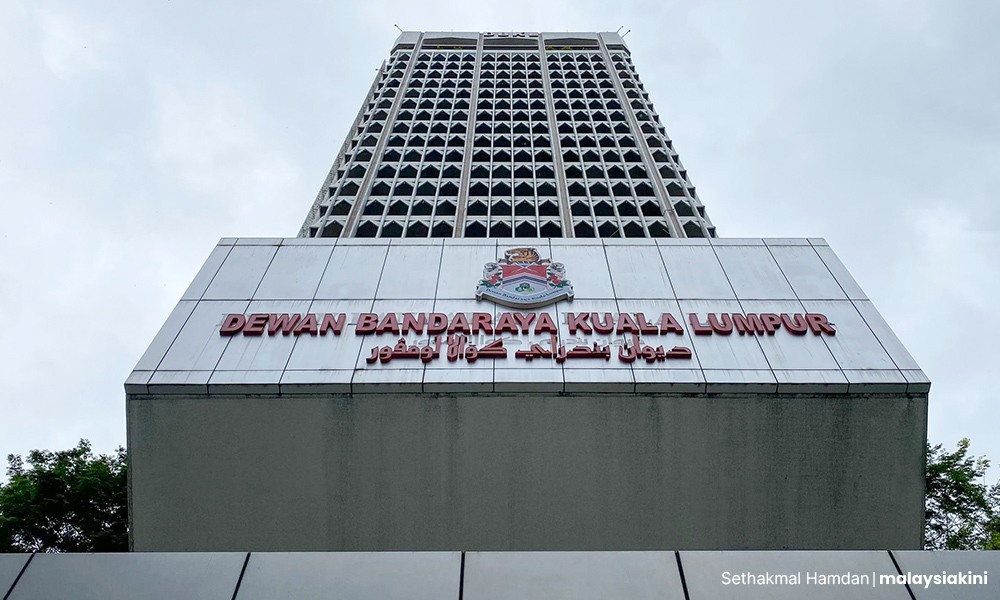
Bukit Bintang MP Fong Kui Lun expressed concerns over the recent enforcement by Kuala Lumpur City Hall (DBKL) requiring business owners to display Malay-language signage in accordance with commercial signage regulations.
In a statement today, he described the crackdown as overly hasty and disruptive, especially in a multicultural and international city like Kuala Lumpur.
Fong (above) also called on DBKL to halt its excessive enforcement actions temporarily and proposed engaging with all Kuala Lumpur lawmakers to discuss better solutions.
He warned that excessive enforcement...
Bukit Bintang MP Fong Kui Lun expressed concerns over the recent enforcement by Kuala Lumpur City Hall (DBKL) requiring business owners to display Malay-language signage in accordance with commercial signage regulations.
In a statement today, he described the crackdown as overly hasty and disruptive, especially in a multicultural and international city like Kuala Lumpur.
Fong (above) also called on DBKL to halt its excessive enforcement actions temporarily and proposed engaging with all Kuala Lumpur lawmakers to discuss better solutions.
He warned that excessive enforcement disrupts businesses and could negatively impact the city’s economy, particularly its tourism sector.
Fong pointed out that Kuala Lumpur, as the country’s capital, is a key destination for tourists from China, Europe, the Middle East, and other regions.
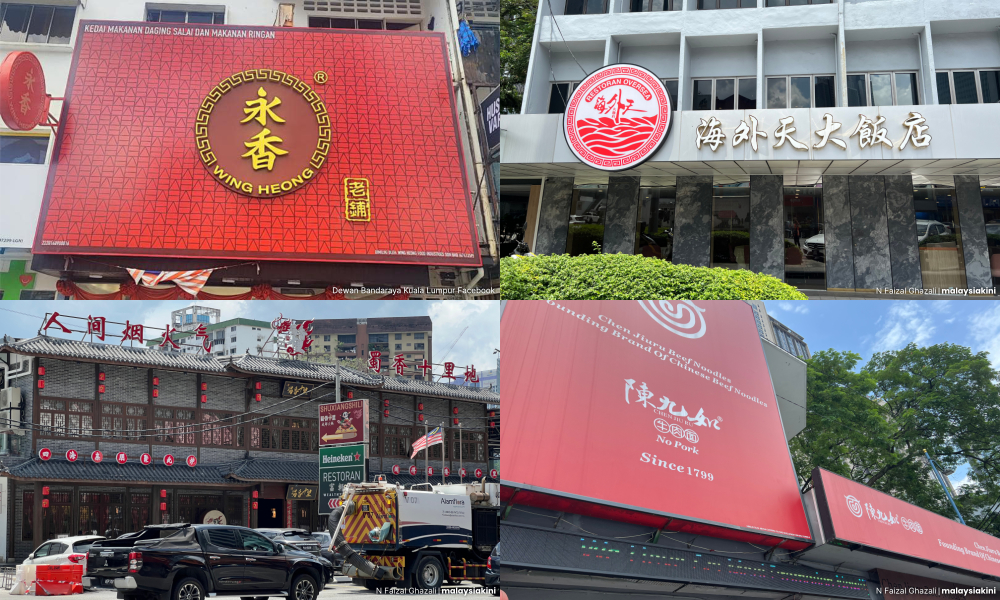
“As a multiracial and multicultural nation, Malaysia should value and embrace cultural and linguistic diversity.
“Allowing businesses to use multilingual signage in Kuala Lumpur not only caters to tourists from various countries but also highlights the city’s unique charm as an international metropolis,” he said.
Century-old signage traditions
He emphasised that Kuala Lumpur is home to many iconic and century-old signage traditions.
“These traditional signs are not only commercial identifiers but also symbols of the city’s historical and cultural heritage,” he added.
To respect the official status of the Malay language while preserving Kuala Lumpur’s cultural richness, Fong proposed that DBKL adopt a more flexible approach.
He suggested that long-established businesses should be permitted to retain their original signage while adding Malay-language signage, thus balancing cultural tradition with modern requirements.
He stressed the importance of ensuring respect for the Malay language while safeguarding businesses’ livelihoods and Kuala Lumpur’s international image.
Fong also believed that effective communication and consultation can lead to a win-win solution that maintains the dignity of the national language, protects business owners’ freedoms, and supports Kuala Lumpur’s continued development as a global city.
Fong urged the government to consider the city’s diversity and economic growth when implementing policies.
He called for a rational approach to this issue and for more reasonable and feasible solutions to support both Kuala Lumpur and its business community.
Sparked by Mahathir's remarks?
China Press in its report yesterday questioned whether the former prime minister Dr Mahathir Mohamad’s comments on Chinese-language signage sparked action from DBKL to conduct a large-scale crackdown on “illegal signage”.

Yesterday, DBKL launched a large-scale operation targeting illegal signage across various areas, including Segambut, Pudu, and Jalan Silang in the city centre.
As of yesterday, no official statement had been issued on the details of the operation.
The operation involved DBKL’s enforcement and licensing teams, along with officers from Dewan Bahasa dan Pustaka and the police.
Business owners had been notified in advance before any removal action was taken, the report said.
However, China Press quoted DBKL advisory board member Andre Lai Chen Heng as clarifying that the operation was pre-arranged and not influenced by remarks made by any political figure.
He stressed that the operation targeted all illegal signage, not just those with Chinese language.
“The operation also involved the removal of illegal structures alongside illegal signage,” he said.
On Monday, Mahathir complained about signboards in a shopping complex for having the Chinese language with English translations, but nothing in Malay.
/file/publisher-c1a3f893382d2b2f8a9aa22a654d9c97/2024/10/7bb4fd494ad2dd0955673529f1ef2851.jpg)
/file/publisher-c1a3f893382d2b2f8a9aa22a654d9c97/2024/09/073d08f41fd85e886c7fb668b291525c.jpg)
/file/publisher-c1a3f893382d2b2f8a9aa22a654d9c97/2024/10/78fbe76f15b3eed1e1949a1de03af47d.jpg)
/file/publisher-c1a3f893382d2b2f8a9aa22a654d9c97/2023/12/f272d5903f9eeee2575d9d16f2b916cd.jpg)


Report this comment
Are you sure you want to delete this comment?
This action cannot be undone.