


/file/publisher-c1a3f893382d2b2f8a9aa22a654d9c97/2020/09/0542bc51d95b7d4f9e4137c17f419a48.jpg)

Sabah parties rethinking alliances amid corruption scandal
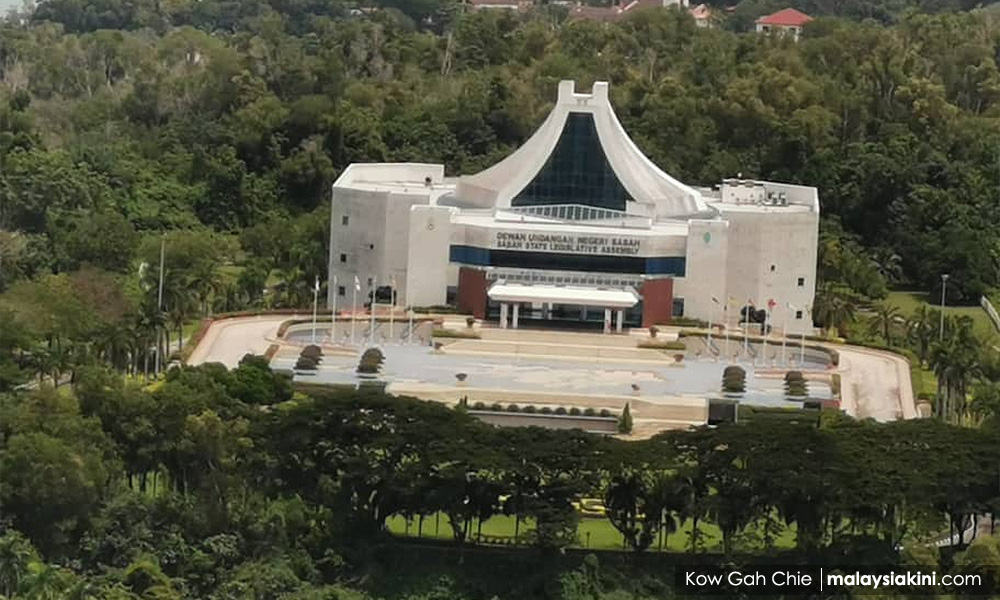
Following the circulation of videos that purportedly implicate several Sabah assemblyperson in a corruption scandal, parties are now reconsidering their positions for the next state election.
The election is expected to take place no later than Dec 9 next year to elect 73 members for the 17th state legislative assembly.
Summary
Videos alleging corruption involving Sabah assemblypersons have sparked political recalibrations ahead of the 2025 state election.
The election, due by Dec 9 next year, will select 73 members for the 17th Sabah Legislative Assembly, with parties exploring new alliances.
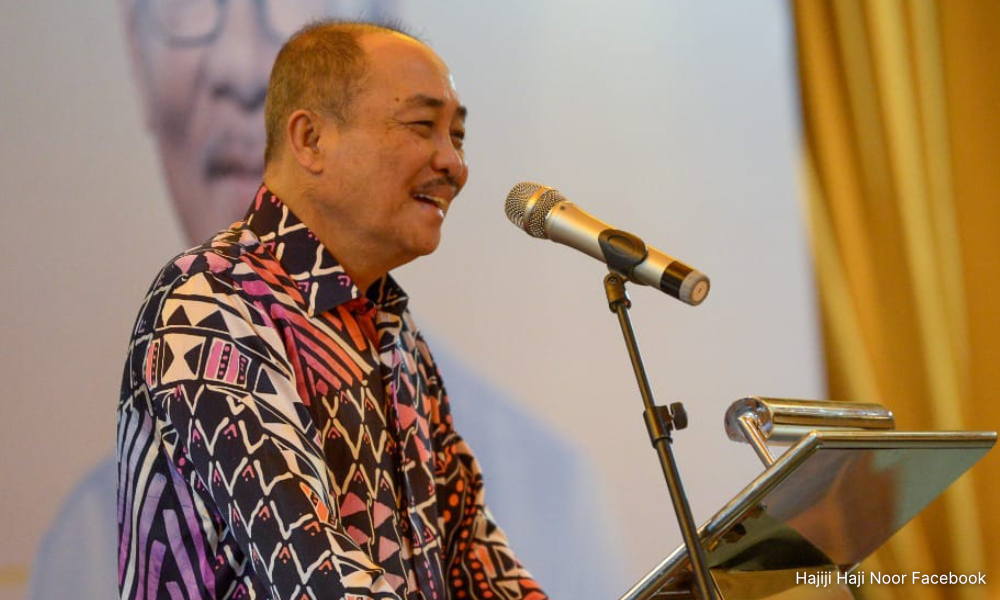
Bribery allegations linked to a prospecting licence prompted denials from Chief Minister Hajiji Noor, who dismissed them as attempts to destabilise the government.
Following the circulation of videos that purportedly implicate several Sabah assemblyperson in a corruption scandal, parties are now reconsidering their positions for the next state election.
The election is expected to take place no later than Dec 9 next year to elect 73 members for the 17th state legislative assembly.
Although the election is a year away, speculation has already begun about the strategies of political parties in the state.
Speaking to Malaysiakini, Universiti Malaysia Sabah (UMS) political analyst Romzi Ationg said that political parties have started preparing their strategies.
“Political coalitions are already holding discussions. Who will partner with whom remains unclear.
“For now, it is certain that Gabungan Rakyat Sabah (GRS) will work with Pakatan Harapan,” he said.
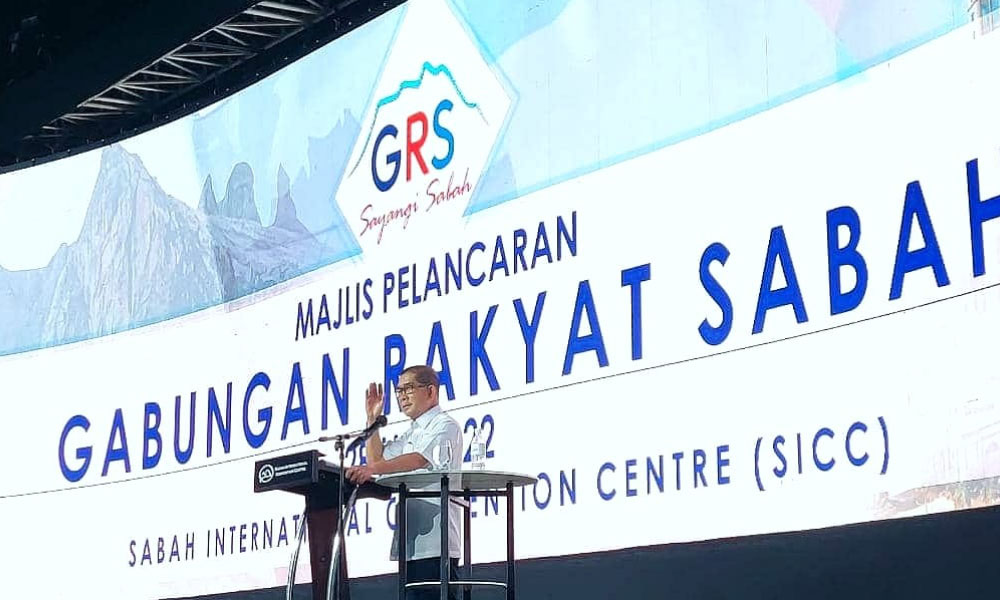
UMS Communications Department senior lecturer Lee Kuok Tiung concurred.
“Most parties have started conducting assessments to identify the most suitable alliances ahead of next year’s state election.
“For now, what can be seen is that GRS and Harapan will work together,” he said.
2018 polls a game changer
The political landscape in Sabah shifted significantly after the 14th general election in 2018, when political parties moved away from relying solely on BN.
READ MORE: Will Sabah graft scandal nudge 'kingmaker' Harapan to pick sides?
In the 2018 election, BN - which comprised Umno, PBS, Upko, and PBRS - won 29 seats, while Harapan, consisting of PKR and DAP, allied with Warisan, also secured 29 seats. Another party, Sabah Star, won two seats.
However, Upko later left BN to support Warisan, reducing BN’s seats to 24 and boosting the Warisan-Harapan alliance to 34, enabling them to form the state government.
Further defections occurred when 16 of 17 BN-Umno assemblypersons left the party to join Warisan, Upko, and become independents.
In April 2019, Bersatu expanded to Sabah, attracting some former Umno independents.
The political crisis known as the “Sheraton Move” in 2020 also impacted Sabah. BN-Perikatan Nasional claimed to have a majority, prompting then-chief minister Shafie Apdal to dissolve the state assembly with the consent of the Sabah governor.
As a result, three main coalitions - GRS (comprising PN and BN), Warisan Plus (Warisan-Harapan-Upko), and Parti Cinta Sabah - contested 73 state seats. GRS won a majority, leading to Hajiji Noor’s appointment as the new chief minister.
However, another political crisis emerged on Jan 7, 2023, when Hajiji lost support from 13 Umno assemblypersons. Despite this, he retained his position by cooperating with Harapan.
‘Common to have no clear winner’
Romzi emphasised the importance of forming a state government after the state election.
“In Sabah, it’s common for no clear winner to emerge after a state election, as seen with the current Madani government. After the election, political parties will usually negotiate new coalitions to form the state government,” he said.
Addressing the circulating corruption videos, Romzi said the issue would not impact Sabah unless charges were filed.
“At this point, the claims are still allegations. These won’t have any effect unless there is evidence or charges.
“But if evidence emerges, it will undoubtedly have an impact in the upcoming state election,” he added.

On Dec 3, a whistleblower seeking immunity under the Whistleblower Protection Act 2010 revealed full video recordings implicating several state assemblypersons.
The whistleblower claimed the videos document discussions about alleged bribes given to politicians to secure support for a mineral prospecting licence.
A day later, Hajiji, under mounting pressure to resign, dismissed the allegations as an attempt to destabilise the state government and tarnish its reputation.
/file/publisher-c1a3f893382d2b2f8a9aa22a654d9c97/2024/09/f542d7385cba84e8c5765d7b70a2c8eb.jpg)
/file/publisher-c1a3f893382d2b2f8a9aa22a654d9c97/2024/12/c8e74582d2cee23c263d1e5df9ca09c0.jpg)
/file/publisher-c1a3f893382d2b2f8a9aa22a654d9c97/2023/05/f1cd471672a82df7c966467061a36171.jpg)
/file/publisher-c1a3f893382d2b2f8a9aa22a654d9c97/2023/10/fb175fa214a3c6889ea683e9bd918a2f.jpg)
/file/publisher-c1a3f893382d2b2f8a9aa22a654d9c97/2023/01/14f23dc02c8d3511e23e38f98274ff11.jpg)
/file/publisher-c1a3f893382d2b2f8a9aa22a654d9c97/2024/12/5b0120297a4bb60d640752e470eee0f9.jpg)


Are you sure you want to delete this comment?
This action cannot be undone.