


/file/publisher-c1a3f893382d2b2f8a9aa22a654d9c97/2021/01/dd3ef1ed8196ec3d32bb1ee82f7b0884.jpg)

Researchers urge govt to ban mentally harmful LGBT 'conversions'
A study conducted in Malaysia has linked attempts to “convert” lesbian, gay, bisexual, transgender and other queer (LGBT+) individuals to adverse mental health outcomes for those being pressured to conform to social norms.
They urged the government to ban such efforts after finding that those subjected to such attempts are more likely to suffer depression, engage in self-harm, contemplate suicide, or even attempt to take their own life.
“The drafting of policies that impact health and well-being in...
Summary
A study in Malaysia links attempts to “convert” LGBT+ individuals to higher risks of depression, self-harm, and suicide.
Most change efforts come from family or religious groups, leaving many feeling alienated or resentful. Researchers urged a government ban on these practices, highlighting their harmful effects.
The study, based on 521 respondents, notes limitations but underscores the severe mental health impacts on those subjected to such efforts.
A study conducted in Malaysia has linked attempts to “convert” lesbian, gay, bisexual, transgender and other queer (LGBT+) individuals to adverse mental health outcomes for those being pressured to conform to social norms.
They urged the government to ban such efforts after finding that those subjected to such attempts are more likely to suffer depression, engage in self-harm, contemplate suicide, or even attempt to take their own life.
“The drafting of policies that impact health and well-being in Malaysia must be informed by empirical evidence, including the acknowledgement that change efforts negatively affect the health of sexual and gender minorities, exposing them to elevated risks of mortality.
“Consequently, we call for the government to ban all forms of change efforts and cease funding any groups or individuals involved in these harmful practices.
“The stance taken by the government is crucial, as it can create a ripple effect, shaping public and religious bodies’ perceptions of the human rights of sexual and gender minorities,” they said in a paper published in the peer-reviewed journal Culture, Health & Sexuality last month.
The researchers hail from the University of Waikato in New Zealand, the University of Hong Kong, Sunway University, Universiti Malaya, the data consultancy Mencakna, and the NGO Justice for Sisters.
Online study
The study was conducted through an online survey in Malay and English from Oct 1 to Dec 16, 2023.
Participants are directed to the project’s website hosting the survey through methods such as social media posts and word-of-mouth via LGBT+ community groups – which is a common method used for studying small and marginalised groups but is not designed to obtain a nationally representative sample of participants.
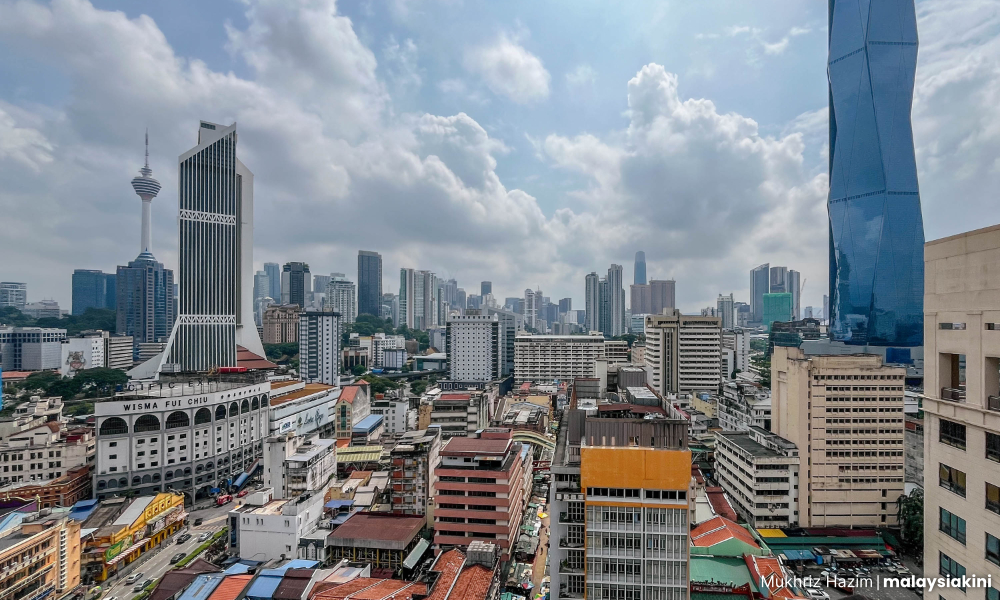
A total of 521 people aged between 18 and 61 completed the survey, more than two-thirds of whom lived in Kuala Lumpur and Selangor.
The respondents reported that attempts to change their sexual or gender identity most frequently come from their immediate family members, followed by extended family members, friends, and religious groups or faith leaders.
A small number of also reported attempts by mental health or medical professionals.
Overall, 63.9 percent of participants have encountered efforts to change their identity, with 24.4 percent encountering it in the preceding 12 months, and 15.7 percent reported experiencing such attempts as they were completing the survey.
Those who have experienced change efforts were about twice as likely to have attempted suicide or contemplated killing themselves, compared to those who didn’t encounter such efforts.
Among those who experienced changed efforts recently (the past 12 months prior to the survey), the researcher also found an increased risk of depression and a bleak outlook for their future.
Mental health deterioration
Many also wrote about their deteriorating mental health and suicidal thoughts when asked an open-ended question about the impact that change efforts had on them, as well as feelings of being alienated (21 respondents), self-doubt (39), and fear of rejection (29).
Some respondents (16) reported becoming resentful of their own religion or religious groups after encountering attempts to change them, causing them to shun religion.
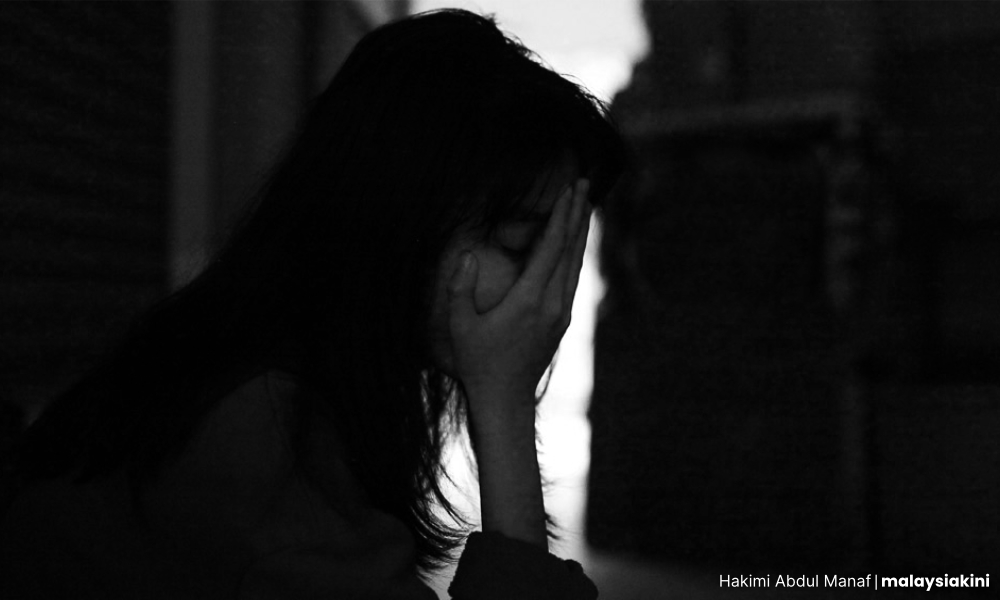
“I used to pray consistently five times a day, took interest in learning the Quran, going to the mosque, and attending religious activities but it gets tiring and discouraging as a closeted queer.
“It’s like the foundation of religion is to punish people like me. It doesn’t feel right and I don’t feel like I belong so I gradually lose interest,” one respondent wrote.
No impact
Nevertheless, 20 respondents said the change efforts had no impact on them, and 35 respondents wrote about how they responded with coping strategies or even defiance.
“Makes me want to rebel even more, let them have something to hate,” one wrote.
Nevertheless, in describing the limitations of how their study was designed, the researchers cautioned that the respondents’ answers to the open-ended questions shouldn’t be taken as representative of the experiences of all LGBT+ people who had undergone change efforts.
“Participants were likely to describe the first impact that came to their minds and may not have comprehensively reflected on all potential consequences,” they wrote.
/file/publisher-c1a3f893382d2b2f8a9aa22a654d9c97/2024/11/d20e4477be5f044d87096d4d4112ef45.jpg)
/file/publisher-c1a3f893382d2b2f8a9aa22a654d9c97/2023/06/70b5ec30d7e5b2b1b9ccdc6282a7081f.jpg)
/file/publisher-c1a3f893382d2b2f8a9aa22a654d9c97/2024/09/47cb61dcb46e8526a8a003e04b068122.jpg)
/file/1280/c0902c3a783b5ebc6aff0da3bbf012f8.jpeg)
/file/publisher-c1a3f893382d2b2f8a9aa22a654d9c97/2021/05/7c373c9e8adcdf3513c0ba8a7b39acfd.jpg)
/file/publisher-c1a3f893382d2b2f8a9aa22a654d9c97/2023/11/44dfa91083d2788ec159a7fb70e9668d.jpg)
/file/publisher-c1a3f893382d2b2f8a9aa22a654d9c97/2020/09/f52ac705eaac28def60735ebf758b121.jpg)


Report this comment
Are you sure you want to delete this comment?
This action cannot be undone.