


/file/publisher-c1a3f893382d2b2f8a9aa22a654d9c97/2024/11/d04e161bf5d2caba2c6e814a652300b1.jpg)

PAS: PM's remarks on royal addendum can cause constitutional crisis
Prime Minister Anwar Ibrahim's admission that the attorney-general had received the royal addendum granting Najib Abdul Razak house arrest is deeply problematic, according to PAS.
Party secretary-general Takiyuddin Hassan said it could even cause a constitutional crisis.
Summary
PAS believes PM’s admission that the AG had received the royal addendum on Najib Abdul Razak's house arrest could cause a constitutional crisis.
PAS secretary-general Takiyuddin Hassan says the AG’s actions were wrong and treasonous.
Takiyuddin adds that Anwar had caused a crisis of confidence in the monarchy.
Prime Minister Anwar Ibrahim's admission that the attorney-general (AG) had received the royal addendum granting Najib Abdul Razak house arrest is deeply problematic, according to PAS.
Party secretary-general Takiyuddin Hassan warned that it could even cause a constitutional crisis.
"PAS finds that Anwar's explanation on the matter... is not only weak and confusing, but could cause conflicts in the law and a constitutional crisis, besides eroding the legitimacy of the government under his leadership," he said in a statement tonight.
The royal addendum is a decree by the previous Yang di-Pertuan Agong Sultan Abdullah Sultan Ahmad Shah on his last day on the throne, which was made in addition to the Pardons Board’s decision to reduce Najib's prison sentence and fine in the SRC International case. The monarch had also chaired the board.
Its existence had been the subject of intense speculation up to Jan 6 when a letter from the Pahang palace was produced in court confirming that the addendum existed.
Anwar, in staving off accusations that the government hid the addendum, said yesterday that the AG at the time - Terrirudin Mohd Salleh - had received the addendum, but not anyone else in the government or the Pardons Board.
The prime minister said the AG then sent the addendum to the current Yang di-Pertuan Agong Sultan Ibrahim Sultan Iskandar.
Anwar also said the then Agong was previously advised that while the monarch had the final say in issuing pardons, it had to be done in the Pardons Board, not outside it.
‘Failure to execute could be treason’
Commenting on this, Takiyuddin said Anwar's clarification about the AG’s actions "exposed the government" to constitutional and legal conflicts.
"There is no legal provision allowing it (a decree by one Agong being referred to another Agong)," he said.
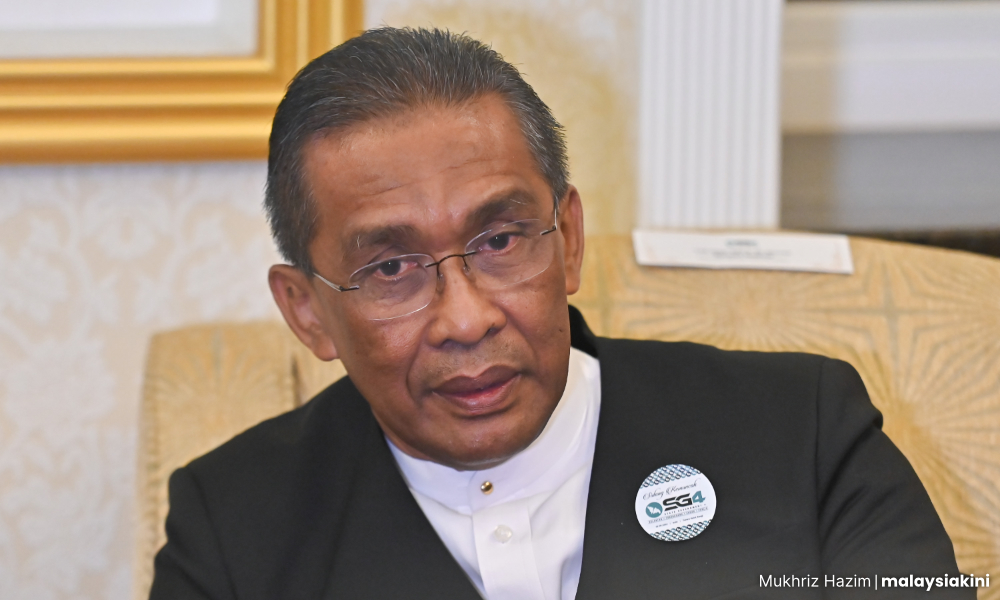
Takiyuddin - who is a lawyer by profession - said that as the addendum was made when Sultan Abdullah was still Agong, the decree must be executed as failing to do so can be considered treason.
He added that the AG was also in the wrong if the latter believed that the Agong needed to act on the advice of the Pardons Board.
Citing two court cases - Pudu Prison superintendent v Sim Kie Chon (1986) and Karpal Singh v Selangor sultan (1988) - the court's position was that the Pardons Board role is only advisory and that the Agong need not follow such advice in exercising his constitutional power to grant pardons.
Takiyuddin also opined that the AG’s act of receiving the addendum, then having government lawyers maintain silence on the matter in court, exposed the office to offences.
They include perverting the course of justice, contempt of court, misconduct in public office, perjury, professional misconduct, obstruction of justice, fraudulent misrepresentation, and other civil action.
Crisis of confidence
Besides the legal problems, Takiyuddin said Anwar's remarks also besmirched and caused a crisis of confidence in major institutions including the Agong as a constitutional monarch, Sultan Abdullah himself, the AG's Chambers, Parliament, ministries and government agencies.
"PAS believes all these weaknesses, confusion, and legal frenzy that has happened and could happened under the prime minister's leadership regarding the issue exposes the government to legal action by vested parties.
"His (Anwar's) lackadaisical attitude in handling this issue from the start also raises major questions on his eligibility to remain as the head of government.
"This matter also clashes with the oath of office he swore to uphold the Constitution, be loyal to the Agong and the concept of constitutional monarchy, obeying the law and others, when he became the 10th prime minister," the PAS leader said.
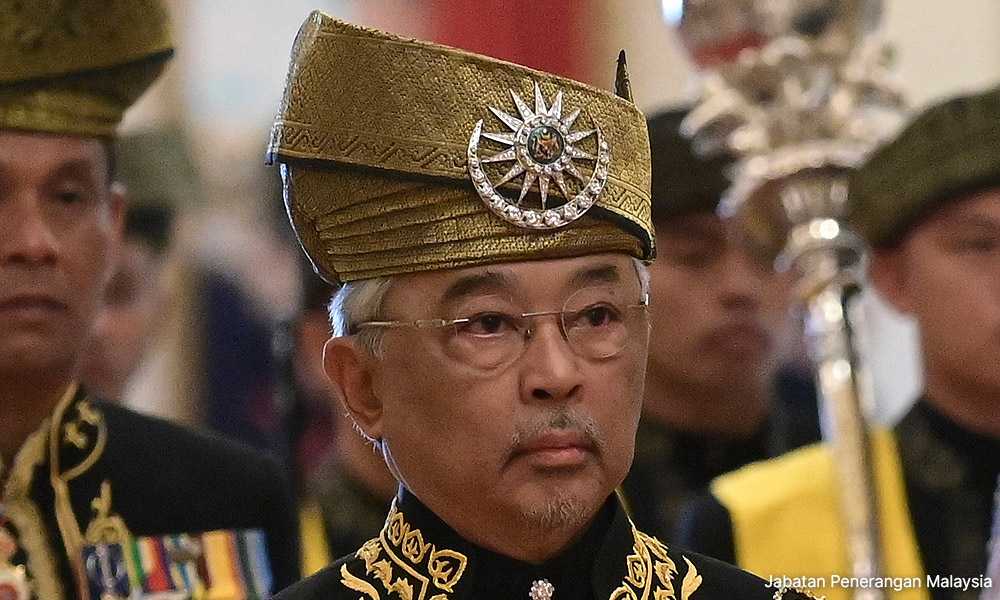
The last major conflict between Putrajaya and the monarchy occurred in July 2021 - during Sultan Abdullah's third year as the king.
The then Agong had rebuked Takiyuddin - who was the law minister at the time - for misleading Parliament on the annulment of the emergency ordinances which were enforced earlier that year.
Sultan Abdullah also rebuked Takiyuddin and then AG Idrus Harun for not fulfilling their promise to His Majesty to have the matter debated in Parliament.
/file/publisher-c1a3f893382d2b2f8a9aa22a654d9c97/2024/08/286eed161ab6f53c78731b79d0665d75.jpg)
/file/publisher-c1a3f893382d2b2f8a9aa22a654d9c97/2025/01/d520d02fd4d4ff5ee16a411b6600bbce.jpg)
/file/publisher-c1a3f893382d2b2f8a9aa22a654d9c97/2020/01/8cf3d94f0367b64ecb3bc32309d40f48.jpg)
/file/publisher-c1a3f893382d2b2f8a9aa22a654d9c97/2020/10/016b4d66fbad74d3ce60b7e86846eb9d.jpg)


Taki pls make a police report since you are so convinced that a crime has been committed.
Are you sure you want to delete this comment?
This action cannot be undone.