


/file/publisher-c1a3f893382d2b2f8a9aa22a654d9c97/2025/01/5606de3559947508e433d3106c45cd23.jpg)

Selangor river turns pink, factory ordered to clean up
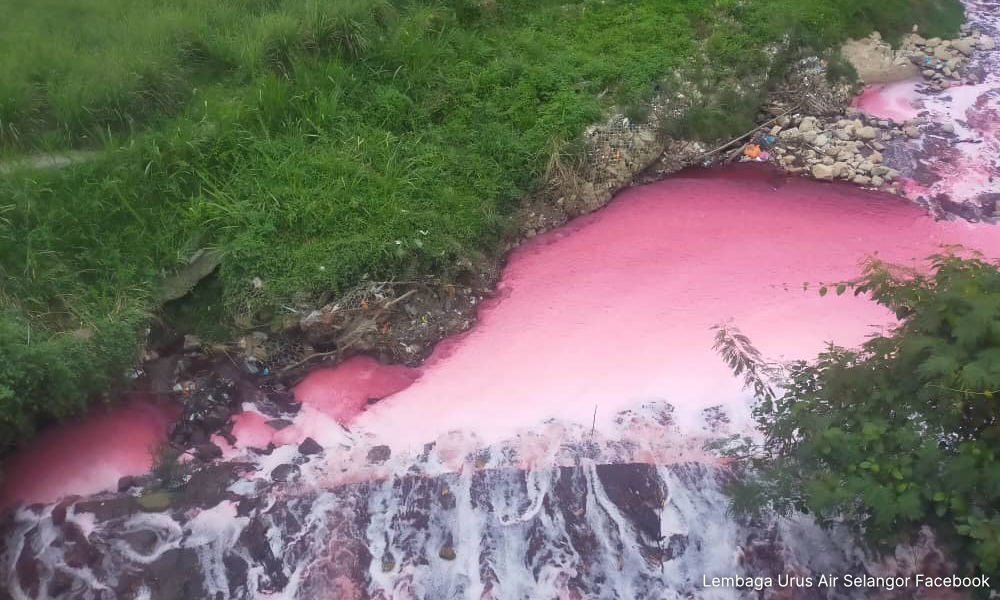
The Selangor Water Management Council (Luas) has ordered a factory to cease discharge and clean up a river in Beranang, which turned the river pink for about 500m.
Sungai Kabul is located 16.3km from the Sungai Semenyih water treatment plants, and pollution there could impact household water supply.
The pollution was spotted during Luas’ routine inspection of the...
Summary
Selangor Water Management Council orders factory to halt discharge and clean up a river-turned-pink in Beranang.
Luas spots pollution during routine inspection of Sungai Langat basin, traced to a factory in the Beranang industrial area.
Samples collected for analysis to facilitate further enforcement action, Luas adds.
The Selangor Water Management Council (Luas) has ordered a factory to cease discharge and clean up a river in Beranang, which turned the river pink for about 500m.
Sungai Kabul is located 16.3km from the Sungai Semenyih water treatment plants, and pollution there could impact household water supply.
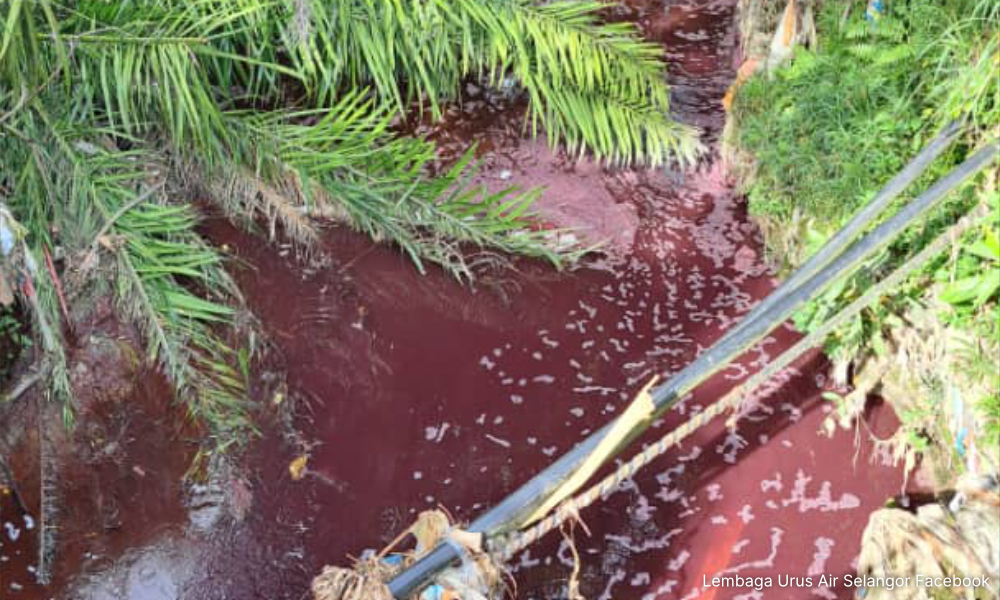
The pollution was spotted during Luas’ routine inspection of the Sungai Langat basin. The pollution was traced to a factory in the Beranang industrial area. Effluents of the same colour were spotted at the factory discharge point. The effluents flow into Sungai Kabul and later into Sungai Beranang and Sungai Semenyih.
“Luas has instructed the premises to cease work and stop the discharge immediately,” it said.
The factory was ordered to clean up the location and affected area immediately, under Section 121(1) of the Luas Enactment 1999.
Samples collected
Samples of the polluted water were also collected for analysis by the Chemistry Department for further enforcement action, it said.
Luas will also monitor Sungai Kabul and inspect the condition every 30 minutes to ensure clean-up is being done.
“The situation is under control and the Luas team is on the ground to conduct immediate action and mitigation,” it said.
Pollution of water sources feeding into water treatment plants has previously caused service disruption for tens of thousands of households in Selangor.
Last July, two individuals were arrested over odour pollution that shut down four water treatment plants, causing supply disruption to thousands of households in Selangor.
The pollution in Kuang was linked to a factory processing acrylic materials. They were arrested under Section 25 of the Environmental Quality Act, which provides for mandatory prison of up to five years and a fine of up to RM10 million.
/file/publisher-c1a3f893382d2b2f8a9aa22a654d9c97/2025/01/ed3ad0cb9d593037eb41037f54ebf48d.jpg)
/file/publisher-c1a3f893382d2b2f8a9aa22a654d9c97/2024/12/06d1da5e08ed039b31980dd17445df61.jpg)
/file/publisher-c1a3f893382d2b2f8a9aa22a654d9c97/2024/12/1984836c64342a821c3a9c3861b523bd.jpg)
/file/publisher-c1a3f893382d2b2f8a9aa22a654d9c97/2024/12/1557787ecceeb9db15de384da4bacb5f.jpg)
/file/publisher-c1a3f893382d2b2f8a9aa22a654d9c97/2024/12/e76631b61c0ff5dc39e7e74fe9de35ed.jpg)
/file/publisher-c1a3f893382d2b2f8a9aa22a654d9c97/2024/12/948fe37a3e49c13306639bb769c65a8e.jpg)


Are you sure you want to delete this comment?
This action cannot be undone.