


/file/publisher-c1a3f893382d2b2f8a9aa22a654d9c97/2025/01/cebeced2b7f336092a7663fe3baf741b.png)

No one wants it nearby, yet govt still aims to build WTE incinerators
SPECIAL REPORT | Touted by the government as a solution to Malaysia’s burgeoning trash problems, waste-to-energy incinerators continue to be a hard sell.
For two decades, the incinerator project has been a shifting idea, moving from one location to another as communities push back.
It began in 2003 when then-prime minister Dr Mahathir Mohamad proposed the idea of building a large-scale incinerator.
First, the proposed site was in...
Summary
Govt has been proposing WTE incinerators for 20 years, but communities near proposed sites continue to oppose them due to environmental and health concerns.
Govt argues that WTE incinerators are safe and a necessary solution to the growing waste problem, while environmentalists and residents advocate for zero waste and 3R (reduce, reuse, recycle) approaches.
However, the lack of regulation and political will to pursue long-term solutions like 3R has hindered progress in this aspect of waste management.
SPECIAL REPORT | Touted by the government as a solution to Malaysia’s burgeoning trash problems, waste-to-energy (WTE) incinerators continue to be a hard sell.
For two decades, the incinerator project has been a shifting idea, moving from one location to another as communities push back.
It began in 2003 when then-prime minister Dr Mahathir Mohamad proposed the idea of building a large-scale incinerator.
First, the proposed site was in Puchong, then Broga; after that, it was Kepong, and now it’s Batu Arang near Rawang.
But the problem remains - no one wants it in their backyard.
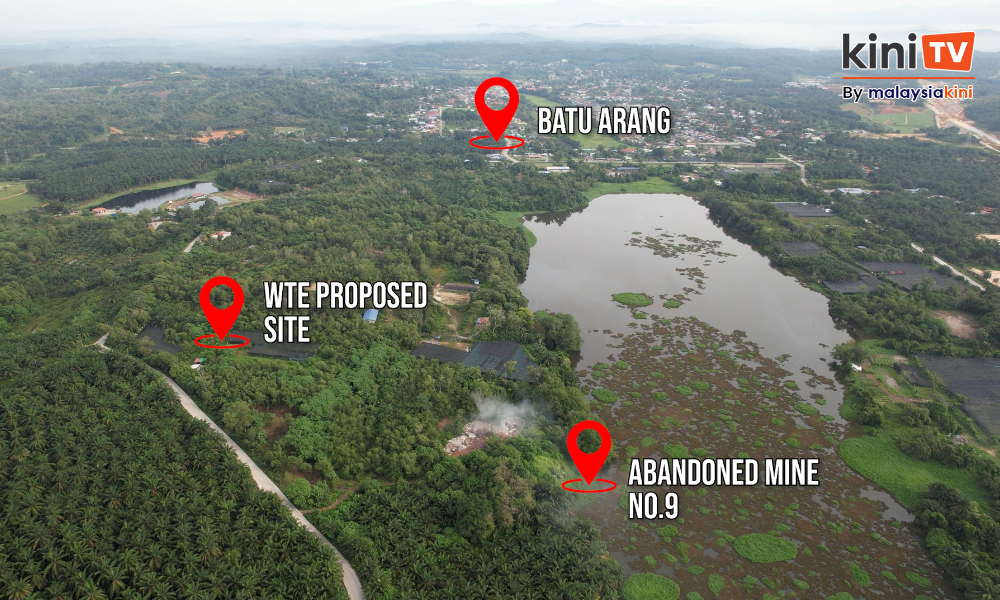
Having faced underground fires and land subsidence in the past decades, as a legacy of iron ore mining, Batu Arang residents fear the area is not geologically sound for a WTE incinerator.
READ PART 1: Landfills at breaking point: Are waste-to-energy plants a solution or threat?
Rawang Tolak Insinerator Network (RTI) - a group opposing incinerators - pointed out that residents’ views on the matter were not reflected in the social impact assessment (SIA) conducted for the proposed Sultan Idris Shah WTE incinerator plant, feeding into growing mistrust.
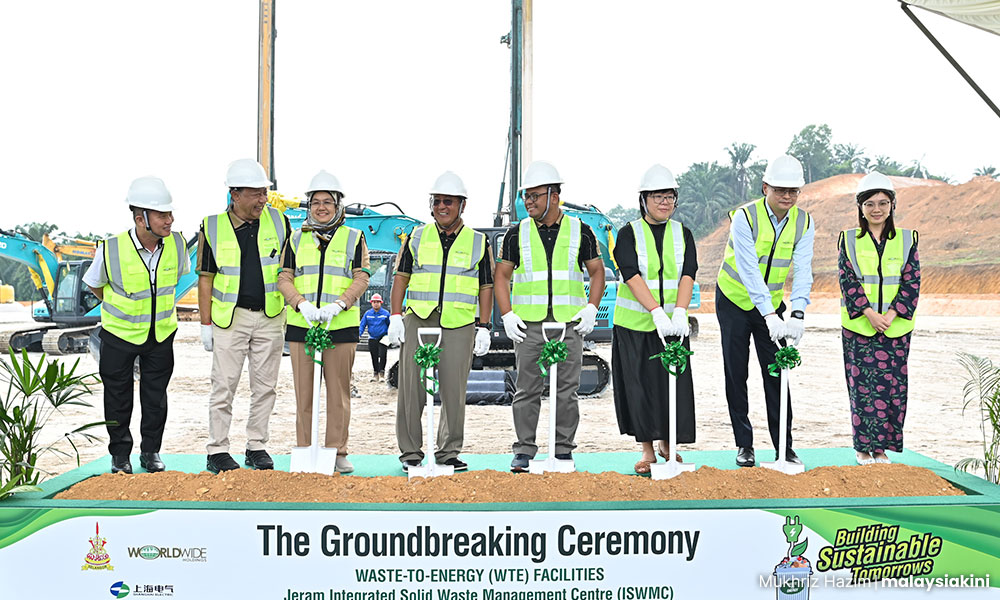
RTI member Pauline Puah shared that in November 2023, Kumpulan Darul Ehsan Bhd (KDEB) - a subsidiary of Selangor Menteri Besar Incorporated (MBI Selangor) - announced on Facebook that construction would begin in June 2024.
“At that time, back in November, there were no environmental impact assessment (EIA) or SIA reports. No one knew the details. Only a few villagers nearby were aware,” she said.
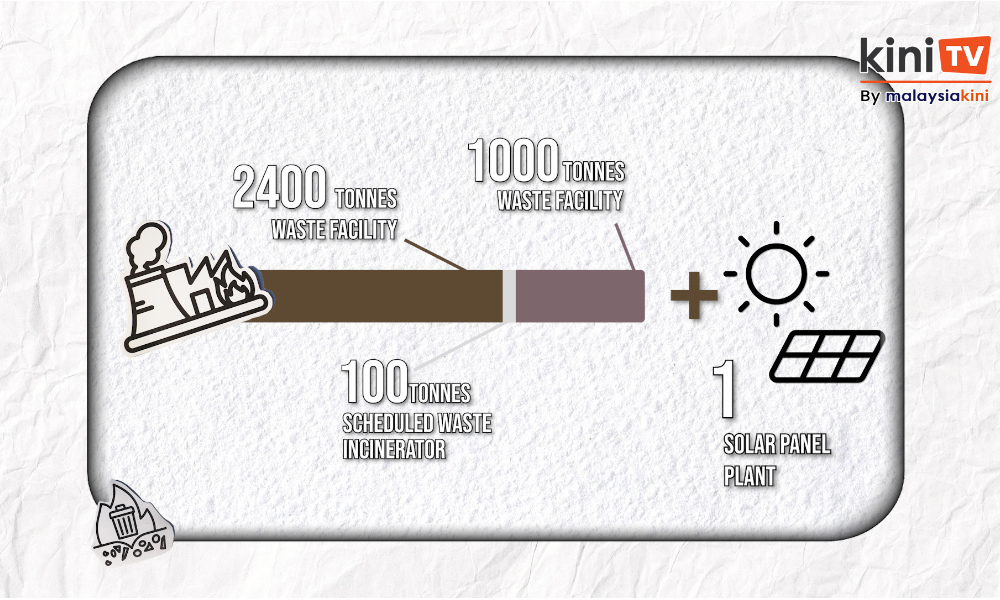
What’s worse is that the project owner, KDEB, told them in a briefing in 2023 that what the residents thought would be a 2,400-tonne waste management facility was actually part of a multi-phase construction project, which will expand in four phases.
Such incremental additions have raised concern over transparency.
To push back, the residents have held multiple demonstrations, turned up the heat during elections, and demanded a town hall with Selangor Menteri Besar Amirudin Shari. He promised a dialogue, but none has taken place, residents said.
Further, despite more than 4,000 protest submissions, the Selayang Municipal Council has approved the land-use change for the site.
This and further delays in the EIA process have left residents fearing the project is already a done deal.
WATCH: Burning trash for energy: Saviour or disaster?
State of waste
In July 2024, Greenpeace Malaysia, along with 30 other NGOs, called out the government’s plan to build 18 WTE plants, labelling them as a "false solution”.
They argue that WTE plants discourage recycling and directly clash with the core “reduce, reuse, recycle” (3R) philosophy.
This was just one of the many statements of opposition in the decades since incineration was first mooted as a way to deal with waste in the country.
So why is the government still fixated on the idea of incinerators despite 20 years of opposition from the community and civil society? Isn’t there another way to deal with the garbage problem?
Let’s look at the numbers.
Selangor, the most industrialised state with nearly seven million people, generates a staggering 8,249 tonnes of municipal waste daily.
That’s more trash than Pahang, Terengganu, Perak, and Penang combined.
The reality might be even worse - KDEB Waste Management estimates the true figure is closer to 10,000 tonnes, enough to fill 240 Olympic-sized pools a month.
As of 2021, Malaysia has 21 sanitary landfills and 116 unsanitary ones, but the number of illegal dumpsites is unknown with more than 2,600 unsanctioned sites shut down at the end of 2024.
In general, sanitary landfills are engineered to safely manage waste, featuring systems like daily covering, leachate collection or gas control to protect the environment and public health.
In contrast, unsanitary landfills or open dumps lack these safeguards, leading to risks like soil and water contamination, air pollution and pest infestations.
The capacity of these landfills’ lifespan is unclear, but with a rapidly growing population and skyrocketing waste production, Malaysia’s landfills are pushing the limits on what they can handle.
There simply isn’t enough space left to continue burying trash.
"Every seven to 10 years, landfills become full or reach saturation,” said KDEB managing director Ramli Mohd Tahir.
"With Selangor's annual waste generation increasing by about two percent, matching its two percent population growth rate, we simply cannot reduce these waste volumes.”
Real conditions of landfills
What compounds the problem is the condition of these landfills.
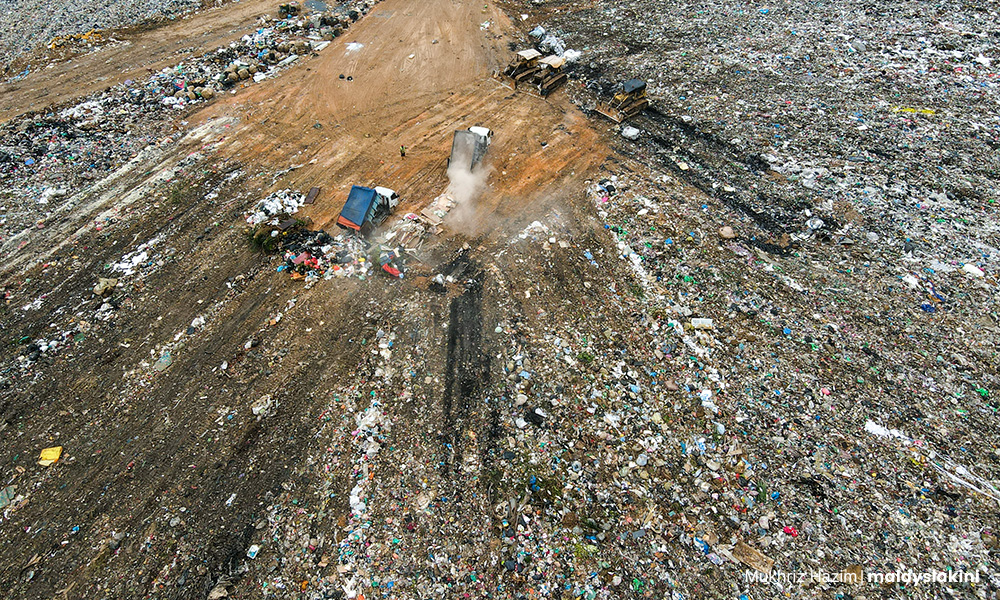
In one sanitary landfill in Selangor, Malaysiakini witnessed trucks loaded with garbage rolling in non-stop, leaving a heavy layer and an overwhelming stench in the air. It was chaotic, filthy, and uncomfortable.
But it’s not just about the appearance or smell. Landfills are polluters. They have the potential to leak contaminants into our water supplies and release toxic gases into the air.
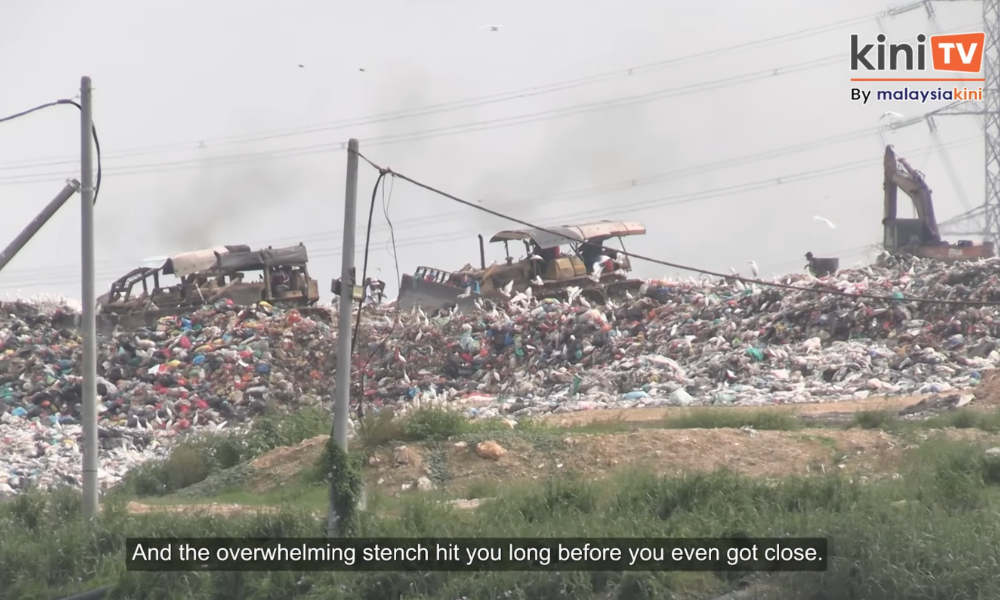
Landfills are meant to be managed carefully, with layers of soil used to contain the waste. But what Malaysiakini witnessed was far from that.
Mountains of trash were out in the open uncovered, attracting flocks of birds and stray dogs, posing the risk of diseases spreading.
It is also an economic problem.
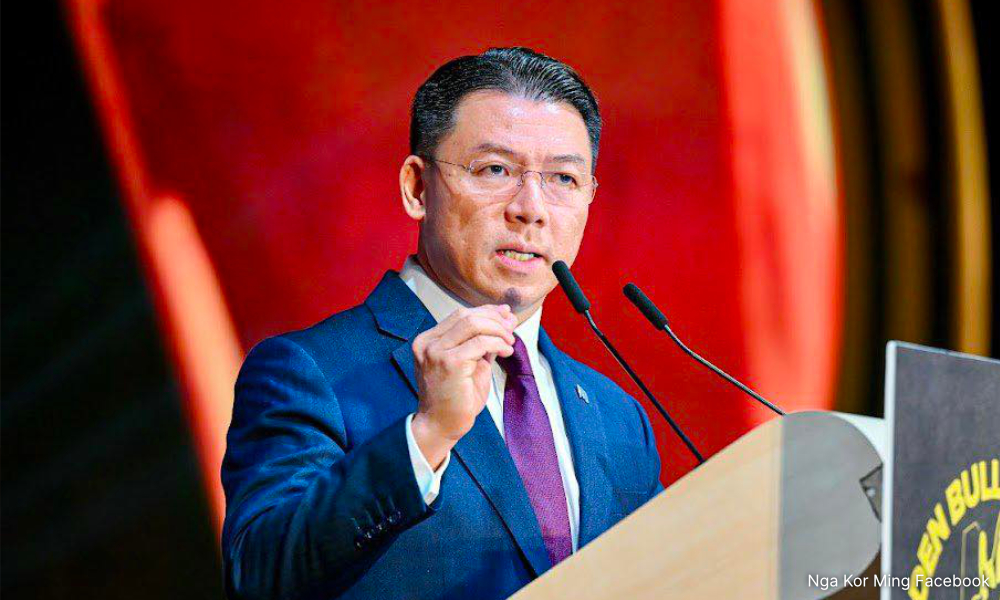
Closing a single landfill costs at least RM20 million, not accounting for the time needed to rehabilitate the land, said Housing and Local Government Minister Nga Kor Ming.
"It requires a lot of treatment, the underground gas and cleaning, and various processes need to be done. It is also very costly.
"This is also why we believe WTE is the way forward.
"According to our findings and statistics, we have determined that Malaysia is able to operate up to 18 WTE plants that would be financially viable and environmentally sustainable across the country," he added.
WTE incinerators vs landfills
If shutting down a landfill costs RM20 million, how much does it cost to build and operate an incinerator?
A better comparison, experts said, is to compare the cost of handling waste in a landfill.
Malaysians do not directly pay for trash disposal - the cost is bundled into assessment taxes, collected by local governments to cover services like garbage collection and street cleaning.
While authorities handle the planning and oversight, the actual work is outsourced to contractors like Alam Flora in Kuala Lumpur or KDEB Waste Management in Selangor.

These operators pay a tipping fee of about RM30 to RM43 per tonne to dump the waste at a landfill.
There is no public data on the cost of managing trash via WTE incinerators in Malaysia.
However, a study by the international NGO Local Governments for Sustainability estimated that it would cost at least US$34 (RM152.07) per tonne to process waste in incineration WTE plants in the developing world, taking into account the cost of building the plant and other capital costs, and revenue from power generation.
This is about five times more than what operators pay to dump at landfills, raising the question of WTE’s economic viability.
‘Robbing from our future’
Waste management expert Theng Lee Chong viewed the issue differently.
He believes relying on "cheap" landfills is like robbing the future, and when the actual bill finally comes, it will be much higher.
"Landfills occupy vast areas of land, and much of the buried waste cannot decompose - it will stay there forever.
"That land can't be developed. Have you calculated the cost of that?
"Underground pollution generates toxic leachate and gases for 40 to 50 years, and nobody factors this cost into the equation,” he said.
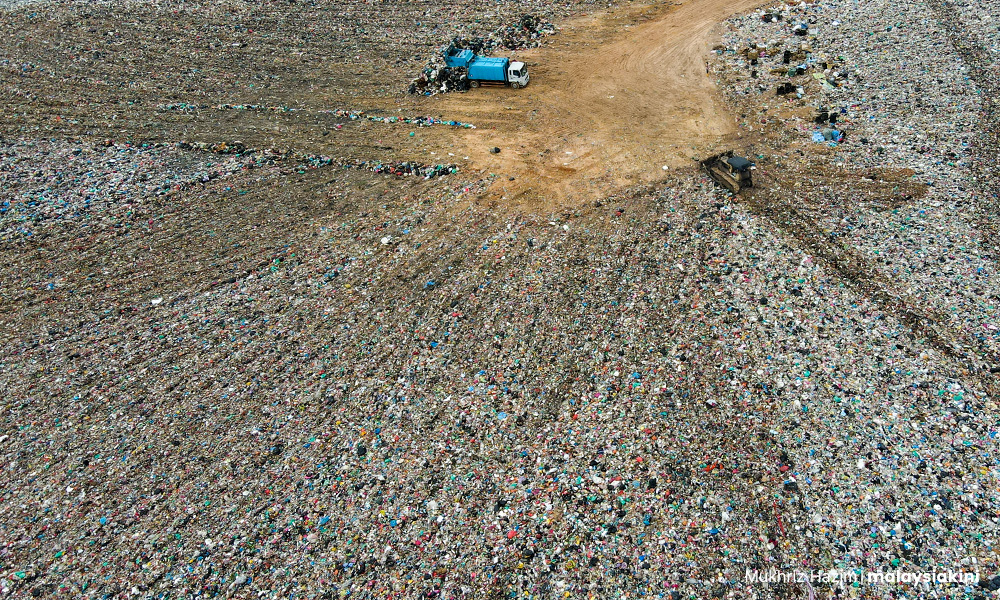
Theng said the public often looks at the construction and operational costs of WTE incinerators while overlooking the facility's significant advantages in waste reduction and pollution control.
"WTE incinerators contain their emissions and wastewater within the facility premises, unlike landfills which spread over extensive areas and are much harder to regulate,” he added.
International lessons
However, it should be noted that the United Nations Environmental Programme (Unep) has stated that WTE isn’t a perfect solution.
While it can help reduce some greenhouse gases, WTEs only contribute one percent of global renewable energy.
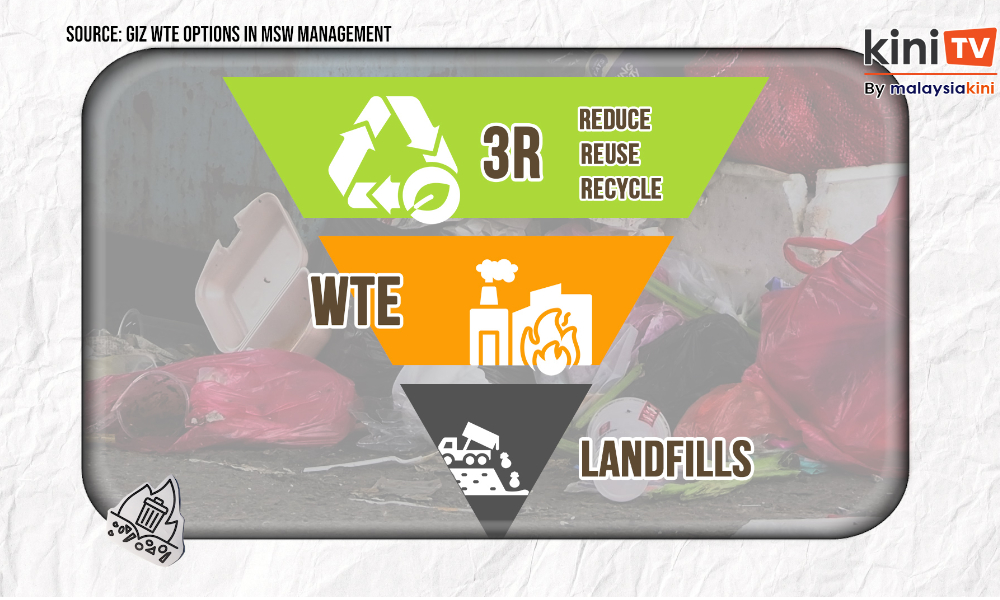
In the case of waste management, the ideal would be to take a “zero waste” strategy to reduce, reuse and recycle everything produced.
However, even the UN agency stated that in developing countries, reaching such ideals is not as simple as it seems.
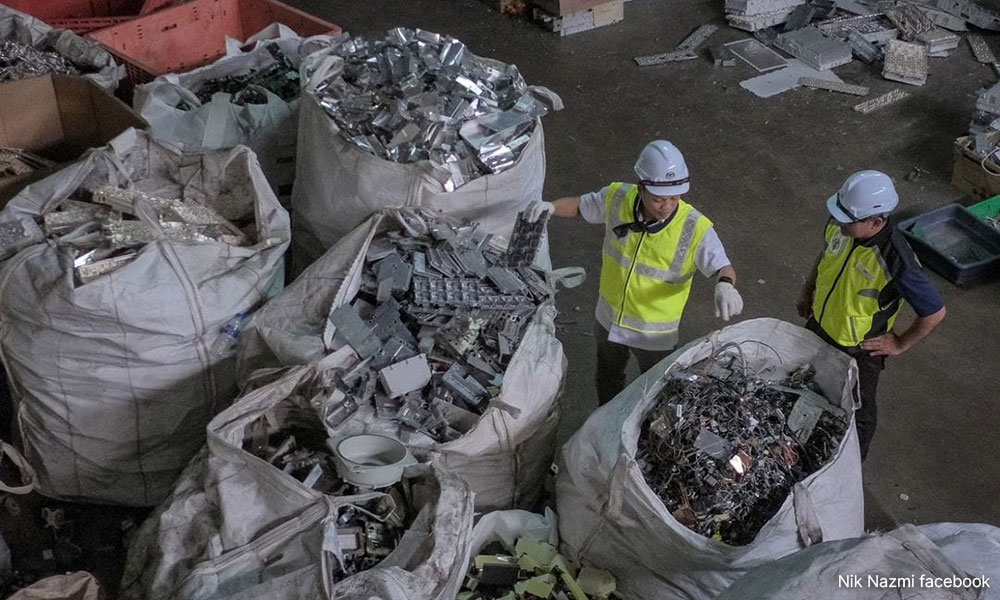
In Malaysia, for example, the 3R concept of reducing, reusing and recycling is hard to achieve for various reasons, including the lack of regulation to prevent waste at the source.
Theng said this could be done if there is a law preventing over-packaging and holding manufacturers accountable for the waste their products generate.
"I think the government has to look into controlling the source of generation, something like packaging law, controlling the manufacturers to use what materials in packaging.
"For example, our mooncake packaging is excessive. You want to eat the mooncake, but you're paying a lot for the packaging,” he said, stressing the need also look at upstream production waste.
‘Trash is not treasure, it is responsibility’
Theng said a shift in policy mindset is also needed to reframe the way we view trash.
For years, Malaysians have been fed this idea that “trash is a treasure” pushing society to see it as a source of wealth generation, he pointed out.
But the flip side of this mindset is to encourage the generation of trash, with the idea that it can generate income, he added.
“Why reduce the amount of waste you generate if it can make money?”
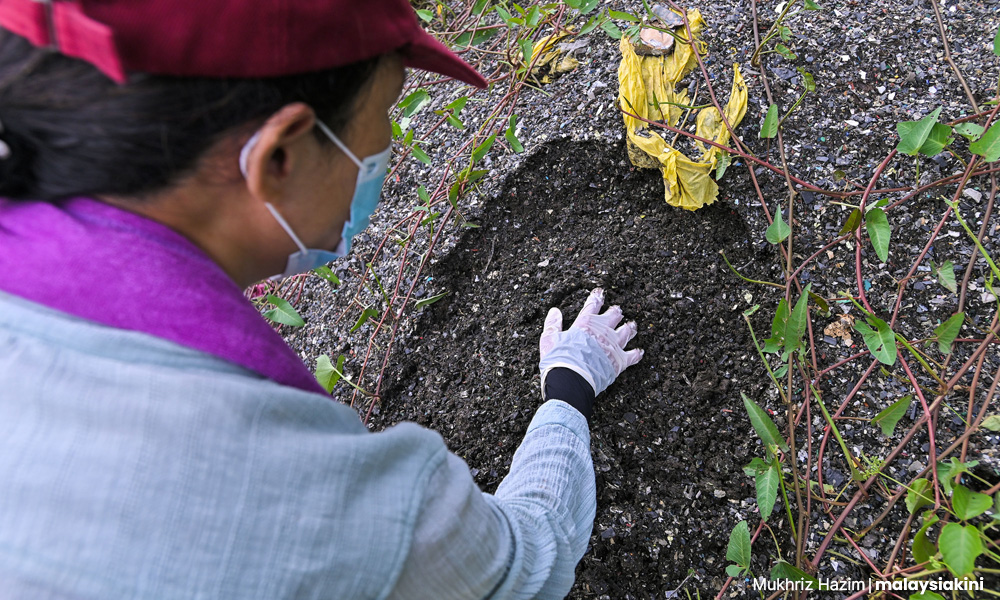
He said this “myth” is not just misleading, but dangerous. It undermines the concept that one should be responsible for managing one’s waste.
"No country in the world can make money from waste. Neither local, state or central government should apply this slogan.
"Please tell people, the government spent a lot of money on waste management. Please do your part, waste is a big responsibility for everyone," he emphasised.
Boost zero waste and 3R efforts
To tackle the waste management issue, environmentalists and residents want efforts to be directed to other methods, including changes in people’s lifestyles.
Sahabat Alam Malaysia honorary secretary Mageswari Sangaralingam urged the government to actively move towards a “zero waste” development direction.
This includes providing resources and infrastructure to improve resource efficiency and reduce waste from the source, she said.
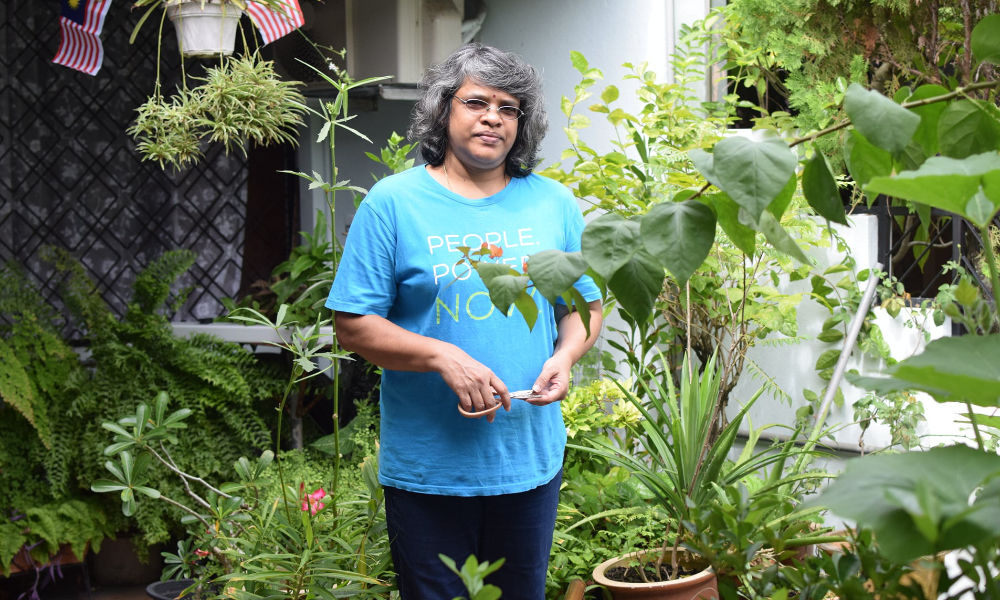
RTI pointed out that much headway could have been made had the government started focusing on a 3R approach in the past two decades, instead of trying to sell the incinerator idea.
However, Puah said the work of changing societal mindsets is difficult and requires long-term effort and the lack of political will to pursue this long-term solution has thwarted any such initiatives.
"If the government had been proactive in promoting the 3R concept when the proposal to build an incinerator in Broga Hill was first made, we wouldn't be repeating the same mistakes today by proposing to build waste incineration facilities again,” she added.
This series was produced with support from the Earth Journalism Network.
/file/1306/4ff8e413a7ca10a95206be6aa5851bbd.jpeg)
/file/publisher-c1a3f893382d2b2f8a9aa22a654d9c97/2024/10/0bac7e2b77457e9da83cf2cf84b512ee.jpg)
/file/publisher-c1a3f893382d2b2f8a9aa22a654d9c97/2024/10/b82859e4f238dbe2b2a65bcf753dab1b.jpg)
/file/publisher-c1a3f893382d2b2f8a9aa22a654d9c97/2024/08/65be0402effa7183fd43dc48a0c7b16e.jpg)
/file/1340/f5133b7b3663065dfa740ed3d0266468.jpeg)


Report this comment
Are you sure you want to delete this comment?
This action cannot be undone.