


/file/publisher-c1a3f893382d2b2f8a9aa22a654d9c97/2025/06/4ecd30a55cd0bfa3789ea65abd08be39.png)

Retirement age for politicians: Young ones supportive, old guard against
As the government looks into raising the mandatory retirement age for civil servants to 65, Malaysiakini asks - should politicians, especially ministers and MPs, be age-capped too?
Unsurprisingly, when Malaysiakini posed the question to politicians, the answer differed by age.
Younger leaders were more supportive of a retirement age for politicians to make way for fresh ideas, while senior figures pushed back, insisting experience and past contributions remain vital factors for those in public office.
Summary
Younger leaders support establishing a retirement age for politicians to allow room for new ideas.
However, more senior figures argue that experience and long-standing service remain valuable.
Others take a more nuanced view, with some suggesting term limits instead.
As the government looks into raising the mandatory retirement age for civil servants to 65, Malaysiakini asks - should politicians, especially ministers and MPs, be age-capped too?
Unsurprisingly, when Malaysiakini posed the question to politicians, the answer differed by age.
Younger leaders were more supportive of a retirement age for politicians to make way for fresh ideas, while senior figures pushed back, insisting experience and past contributions remain vital factors for those in public office.
Muda central executive committee member Rashifa Aljunied, 26, warned that when older politicians refuse to let go of power, “damaging consequences” could arise from denying younger leaders the chance to lead.
“By holding on to positions well beyond the typical retirement age, older politicians delay the much-needed shift in leadership that reflects new realities, new challenges, and new ideas.
“If we want a future that looks different, we need to start by making space for the young to lead,” she said.
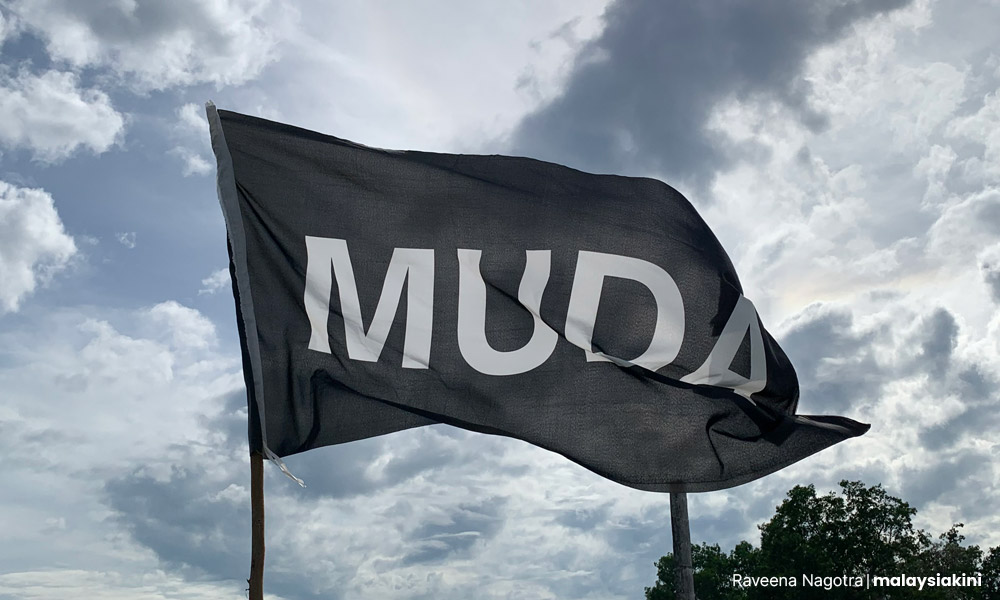
Expressing similar sentiments, Muda vice-president Dobby Chew, 35, stressed that politics and those involved in the field should always be forward-looking, dynamic and up-to-date with current needs.
“If the average age of our politicians, especially those holding high-ranking offices, is far more advanced than the general population, it’s difficult to envision them being effective at representing Malaysia as a whole while providing the necessary vision and leadership for the nation.
“A leader who built their life experience between the 1970s and the 1990s would be an excellent person to seek advice from, but not someone who should be in control and determining policy, especially when they are well in their 100s today,” he said when contacted.
Inculcate values instead
However, while Chew supported the idea of imposing a retirement age on politicians holding executive roles such as the prime ministership or positions in government-linked companies (GLCs), he opined that such a rule should not be enforced on elected lawmakers.
“People are and should always be the ultimate decider for those contesting (in elections),” he said.
Some young leaders want a mandatory cut-off, but for others, shifting values within the system is a better goal.
DAP’s Bukit Bendera MP Syerleena Abdul Rashid, 44, said that while a fixed retirement age for politicians may not be necessary, there is a need for a political culture which values renewal, accountability, and merit above seniority.
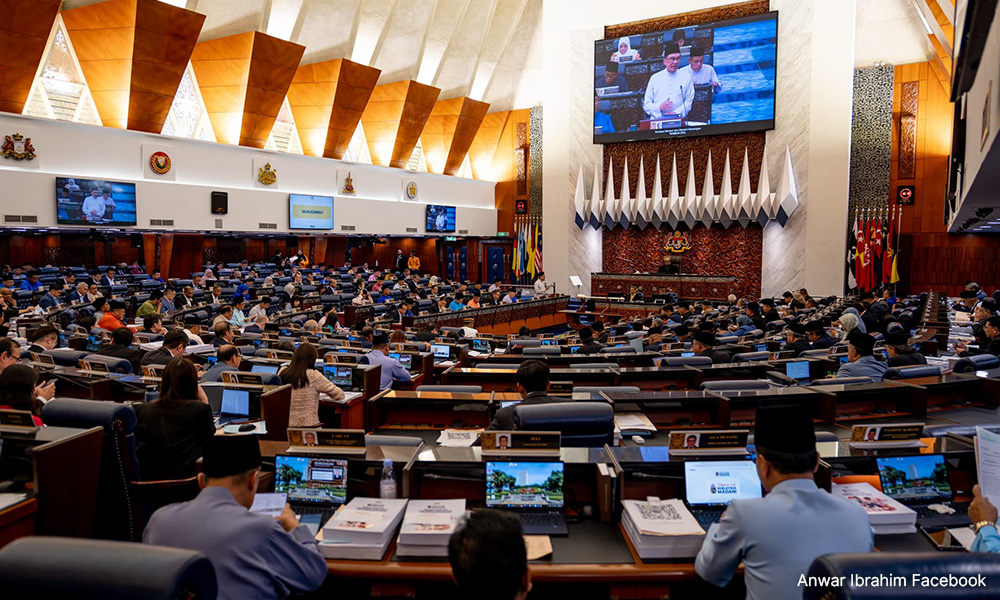
She added that while experience has its place in leadership, it's equally important for politicians to recognise when it's time to pass the baton.
“Leadership is about service, not legacy. Some of the best ideas I’ve seen came from younger Malaysians (who are) bright, driven, and deeply connected to the challenges of today.
“If we truly care about our country’s future, we should be paving the way for fresh minds to step up, lead boldly, and shape what comes next,” she said.
But, Mahathir
One outlier among the younger politicians Malaysiakini spoke to was Bersatu supreme council member Wan Ahmad Fayhsal Wan Ahmad Kamal.
The 38-year-old insisted that there is no need to compel politicians to retire if their services are still deemed valuable.
The Machang MP pointed to two-time former prime minister Dr Mahathir Mohamad, who will turn 100 in July, and PAS president Abdul Hadi Awang, aged 78 this year.
“Mahathir has officially retired as an elected representative, but he will never retire as a politician. He will die a politician and a statesman.
“Although Hadi’s health is declining, his leadership and political judgment are still essential to PAS, allowing the party to remain strong,” Wan Fayhsal said.
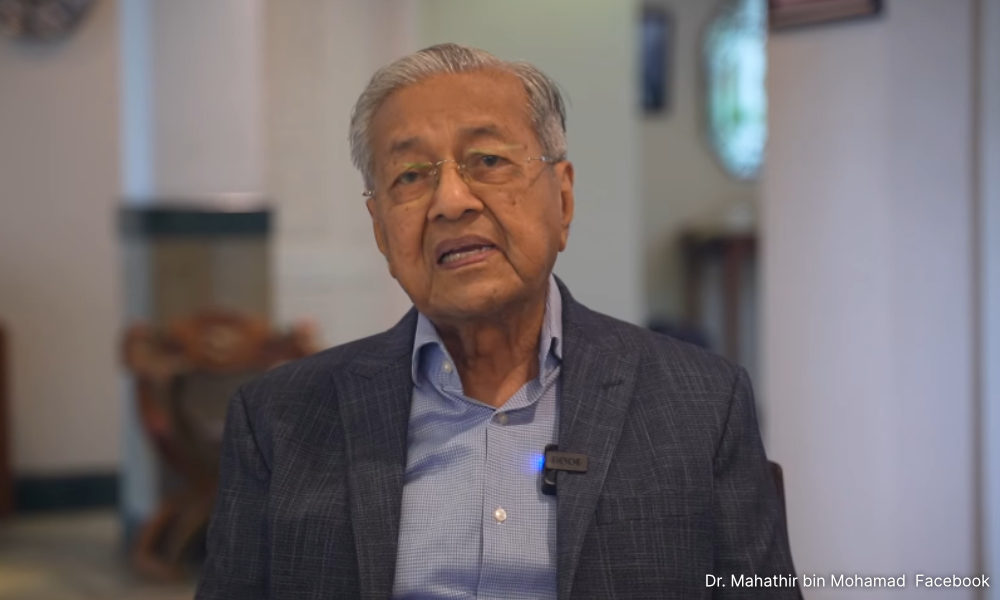
Similarly, referring to Mahathir, Bersatu secretary-general Azmin Ali, 60, said the core responsibility of a politician is to serve the rakyat, with their role expanding beyond the limitations of a regular occupation.
“At the age of 100, (Mahathir) is still very active in helping the rakyat, engaging with various stakeholders, building a strong nation and commanding high respect from global and regional communities,” he added.
Mahathir is serving as an adviser to Perikatan Nasional state governments, which Bersatu is part of.
Position term limits more practical
The idea that age is just a number cuts across the political spectrum, with PKR’s Selayang MP William Leong, 68, also saying that some politicians are still doing well in their 90s and 100s.
Hence, he said there was no need for a retirement age for politicians and that people would decide when a politician is no longer fit to serve.
“The not-so-effective (lawmakers) have a shelf life limited to five years when they’re not re-elected. The good ones will last as long as the voters support them,” he added.
Taking a middle ground on the matter, PSM deputy chairperson S Arutchelvan said the party is more focused on setting a term limit for office bearers, as practised within the party’s structure.
The 58-year-old said that although it might be “impractical” to broadly impose an age limit on politicians as political matters involve various age groups requiring representatives, setting a maximum number of terms could present a win-win solution.
“It’s an issue of balancing between people’s democratic right to elect who they want as an MP and lawmakers being around for too long… perhaps for the prime minister position, we can have a two-term policy,” he added.
The government is in the middle of reviewing a law to impose term limits on the prime minister.
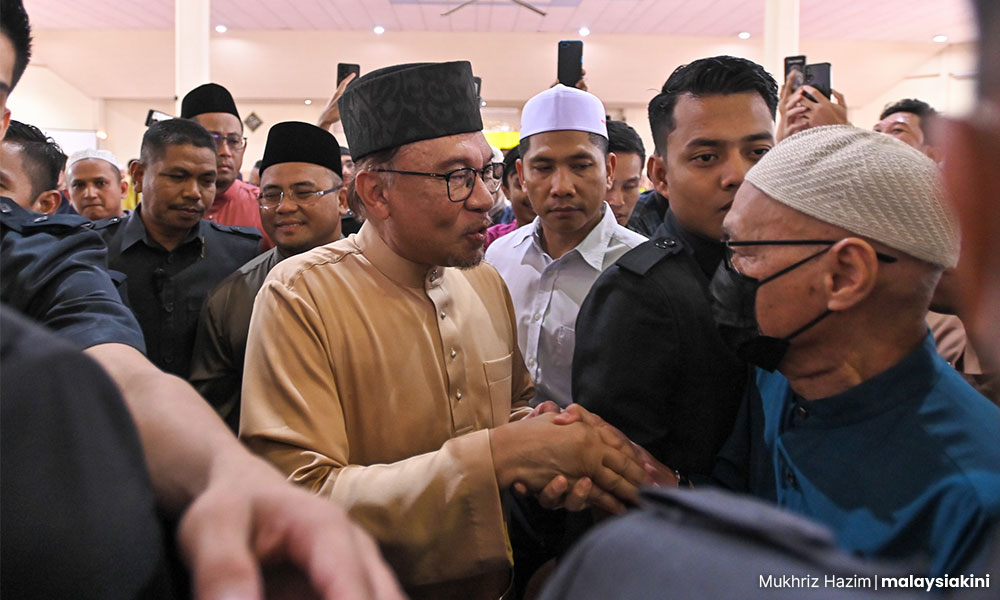
The conversation about a retirement age for politicians came after Minister in the Prime Minister’s Department (Law and Institutional Reform) Azalina Othman Said, 61, proposed that the government consider raising the mandatory retirement age to 65.
Azalina, who made the suggestion in her personal capacity, said it would be a loss for individuals to retire at 60 when they were still energetic, productive, and capable of contributing to the workforce.
Prime Minister Anwar Ibrahim - who will turn 78 this year - said there was merit behind the proposal, and has tasked the government to look into it.
In Malaysia, the mandatory retirement age for government employees is 60. This is also the minimum retirement age for private sector employees under the Minimum Retirement Age Act 2012.
The retirement age increase proposal has been met with criticism, including from Muda, who described it as “inherently cruel” as it ignores structural failures forcing the elderly to continue working just to survive.
Additional reporting by Hariz Mohd, Zarrah Morden
/file/publisher-c1a3f893382d2b2f8a9aa22a654d9c97/2021/10/53560767b254f44b2bd05775752baf3c.jpg)
/file/publisher-c1a3f893382d2b2f8a9aa22a654d9c97/2021/04/8d6e91d704038d8f4d4e4ce6f4d1ece9.jpg)
/file/publisher-c1a3f893382d2b2f8a9aa22a654d9c97/2022/11/a549138f7a685b95a0fbe471aa6d6e2b.jpg)
/file/publisher-c1a3f893382d2b2f8a9aa22a654d9c97/2021/06/ef2f5975a73d63cbcf9ae4630d853864.png)
/file/publisher-c1a3f893382d2b2f8a9aa22a654d9c97/2024/10/b58af38f66698ba44c1bbfb42ccd0d30.jpg)


Report this comment
Are you sure you want to delete this comment?
This action cannot be undone.