


/file/publisher-c1a3f893382d2b2f8a9aa22a654d9c97/2025/06/b4699ea2ec9a764cfaed7cb33dd02792.jpg)

Legal action against UMS protesters sets dangerous precedent: Lawyers
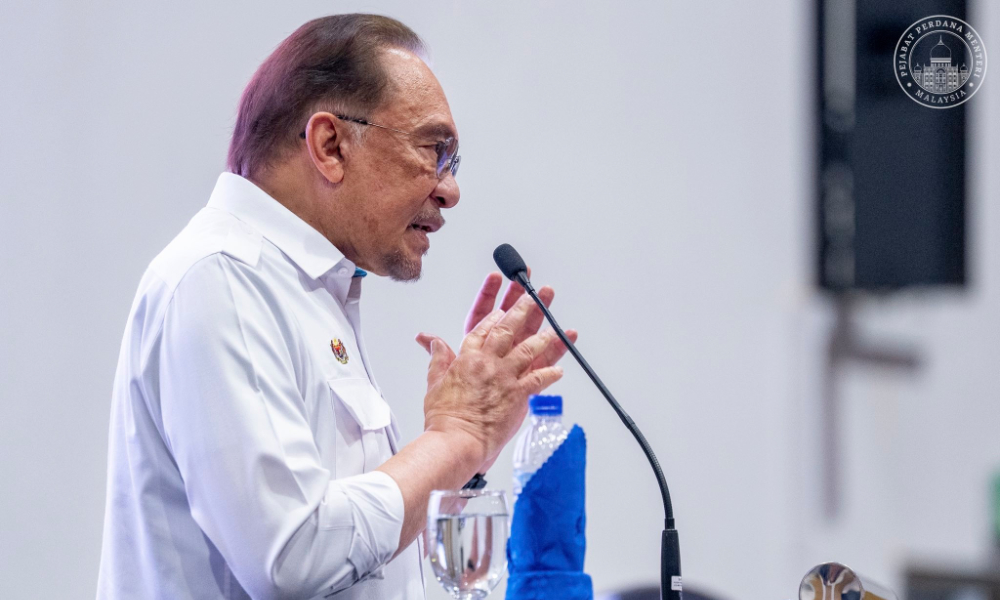
Criminalising the burning of Prime Minister Anwar Ibrahim’s image would affect local protests against global human rights violations, including the Gaza genocide, said a lawyer.
Charles Hector Fernandez pointed to similar incidents in Malaysia’s history of protests, including one in 2015 during which Umno members torched effigies of DAP leaders Lim Kit Siang and Lim Guan Eng.
Summary
Lawyer Charles Hector Fernandez says criminalising the burning of PM’s image would set a precedent that affects all protests, including anti-Israeli and Palestinian solidarity ones.
CIJ executive director Wathshlah Naidu calls the burning incident a powerful political message that does not cross the limits of international human rights law.
Lawyer Kokila Vaani Vadiveloo opines that the student protesters should not face criminal charges and a measured response would suffice.
Criminalising the burning of Prime Minister Anwar Ibrahim’s image would affect local protests against global human rights violations, including the Gaza genocide, said a lawyer.
Charles Hector Fernandez pointed to similar incidents in Malaysia’s history of protests, including one in 2015 during which Umno members torched effigies of DAP leaders Lim Kit Siang and Lim Guan Eng.
He argued that this established the burning of political symbols as part of the country’s protest culture.
“Making the recent burning of Anwar’s image a crime means that thereafter, Malaysians may lose the right to even stamp on burning effigies/pictures of (Israeli Prime Minister) Benjamin Netanyahu or any foreign leaders who violate human rights and do injustice,” he told Malaysiakini.
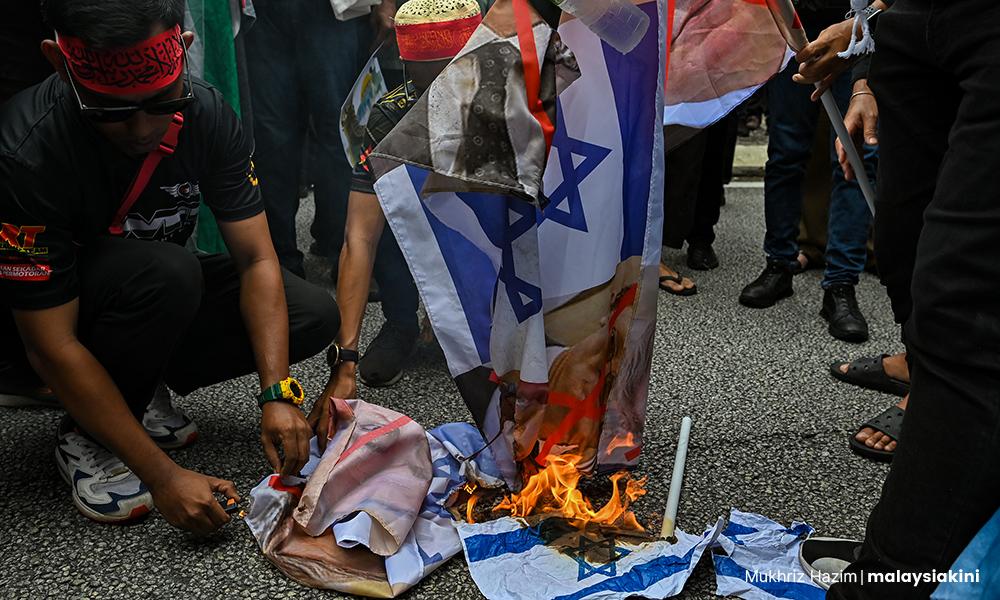
Yesterday, Lawyers for Liberty (LFL) director Zaid Malek defended the student protesters who concluded a 22-hour anti-corruption demonstration by burning a caricature of Anwar bearing the words “Madani protector of corrupt Sabahans”.
Zaid said the burning is a legitimate democratic protest that should not be prosecuted, reminding government leaders that they had done similar things during their activist days.
The focus on the burning act appears to be a convenient excuse to sidestep the main complaint at the rally, that Anwar’s Madani administration “is closing one eye” to corruption issues involving its political allies in Sabah, he added.
After the protest, the police arrested three student activists - Fadhil Kasim, Aliff Danial Badrul Akmal Hisham, and Sabir Syarafuddin - as part of an investigation under the Sedition Act, among others.
The trio were released on Tuesday night on police bail.
Within int’l human rights law
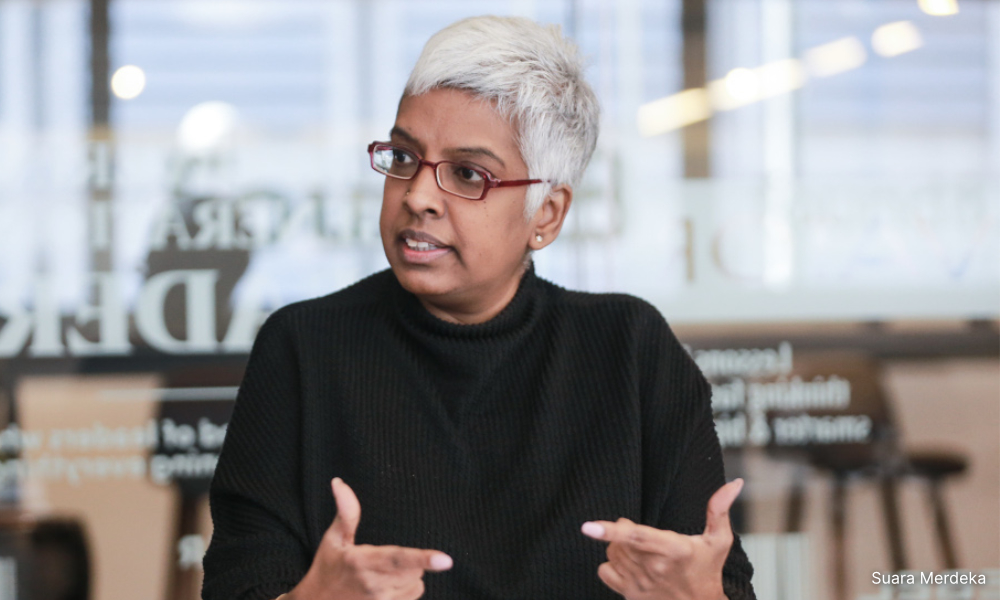
Centre for Independent Journalism (CIJ) executive director Wathshlah Naidu also agreed that burning Anwar’s image is a powerful symbolic political message that lies within the permissible bounds of international human rights law.
Wathshlah believed that the protesters were not threatening Anwar’s safety or national security as the burning was not paired with speech that incited hatred or violence against the government leader.
“Was there actual incitement to further violence against the prime minister? Was that a call to go and attack him personally, a call to kill him, and a call to attack and destroy properties?
“I think we didn’t see (that). While I wasn’t there, there wasn’t necessarily an escalation of his (the activist) speech.
“So it then remains within the ombud of symbolic action, because you are trying to communicate a political message of being highly critical of this individual, and the way you’re communicating that or expressing that is through burning that person’s image,” she said.
Wathshlah further stressed that showing deep anger or criticism is not grounds for restriction.
Therefore, in her opinion, there was no reason to charge the students involved.
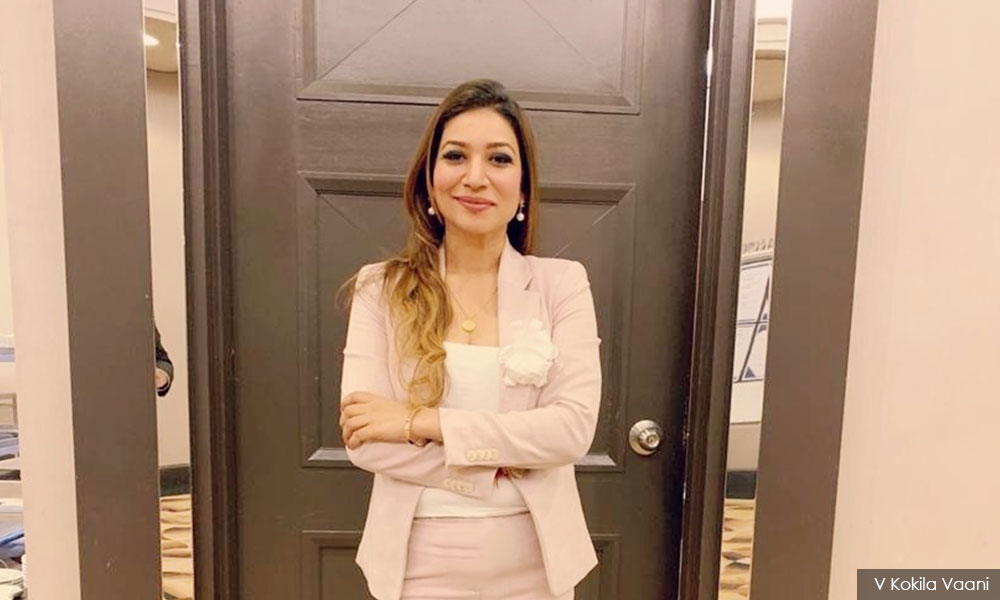
Likewise, lawyer Kokila Vaani Vadiveloo disagreed with harsh and punitive measures against the students, citing their age and inexperience as mitigating factors.
“A measured response, such as warnings, counselling, or administrative actions, may be more appropriate than serious criminal prosecution unless there is clear evidence that their actions endangered public order or incited violence,” she said.
Criminal charges would only be appropriate if the students’ actions were dangerous, she added.
‘Overzealous backlash distracts from issue’
Government leaders have so far responded negatively to the students torching Anwar’s caricature, with Umno Youth chief Dr Akmal Saleh calling the protesters stupid and rude while challenging the student activists to a meeting.
Similarly, PKR Youth chief Kamil Abdul Munim chastised the students, saying it was not just excessive and rude, but also showed that the protesters had no valid arguments.
Kokila said that the backlash could result in “excessive vilification” of the protesters, leading to exaggerated fear among the public.
This would only further deflect from the root issue, the lawyer added.
“It is appropriate for leaders and the public to express disapproval of such disrespectful acts, as it reinforces the importance of maintaining civility in political discourse.
“However, the focus should not entirely shift to the manner of protest while ignoring the substantive issues the students were attempting to raise,” she said.
The recent “Gempur Rasuah Sabah 2.0” protest was part of a series of rallies against corruption organised by activist student group Suara Mahasiswa Universiti Malaysia Sabah.
This came in response to a whistleblower’s exposé that revealed a mineral mining licence corruption scandal in Sabah, which allegedly involved several assemblypersons.
/file/publisher-c1a3f893382d2b2f8a9aa22a654d9c97/2025/06/d2ea5ff00c78517f261fe5be4a2638c3.jpg)
/file/publisher-c1a3f893382d2b2f8a9aa22a654d9c97/2025/06/e2eedcbd3861952e2d62611d77b812fd.jpg)
/file/publisher-c1a3f893382d2b2f8a9aa22a654d9c97/2024/11/aee8f7ab967068303eb28c57bdbc4566.jpg)
/file/publisher-c1a3f893382d2b2f8a9aa22a654d9c97/2024/10/3b7fd5e8e5a5b89ba0497c4742cd4833.jpg)
/file/publisher-c1a3f893382d2b2f8a9aa22a654d9c97/2025/06/b667c4b8e72da4f55a646db597eae882.png)
/file/publisher-c1a3f893382d2b2f8a9aa22a654d9c97/2024/06/18e8dc8cdb9c6e4708cde35fc2cdd992.jpg)


Report this comment
Are you sure you want to delete this comment?
This action cannot be undone.