


/file/publisher-c1a3f893382d2b2f8a9aa22a654d9c97/2023/10/6112cb0849048b5ac71058ef577b64ab.jpg)

Rethink 13MP’s 'outdated' incinerator focus, group urges govt
Highlighting that such incinerators require massive investments while burdening communities and locking the nation into a system that depends on waste generation, RTI called for a reassessment of 13MP and abandon “outdated reliance” on incinerators...
Rawang Tolak Incinerator Network (RTI) has raised concerns over the 13th Malaysia Plan’s (13MP) emphasis on waste-to-energy incineration as the government’s central waste solution.
Highlighting that such incinerators require massive investments while burdening communities and locking the nation into a system that depends on waste generation, RTI called for a reassessment of 13MP and abandon “outdated reliance” on incinerators.
It added that the detriments associated with waste-to-energy incinerators also directly contradict the vision of the Circular Economy Blueprint (2025-2035), which calls for systemic changes to reduce waste at the source.
“True progress begins with prioritising separation at source, returning plastics to manufacturers, recycling paper into fuel or packaging, and processing organic waste through composting or anaerobic digestion.
“But Malaysia’s efforts remain fragmented, with no central authority to coordinate policy, enforce regulations, or track outcomes,” RTI said in a statement today.
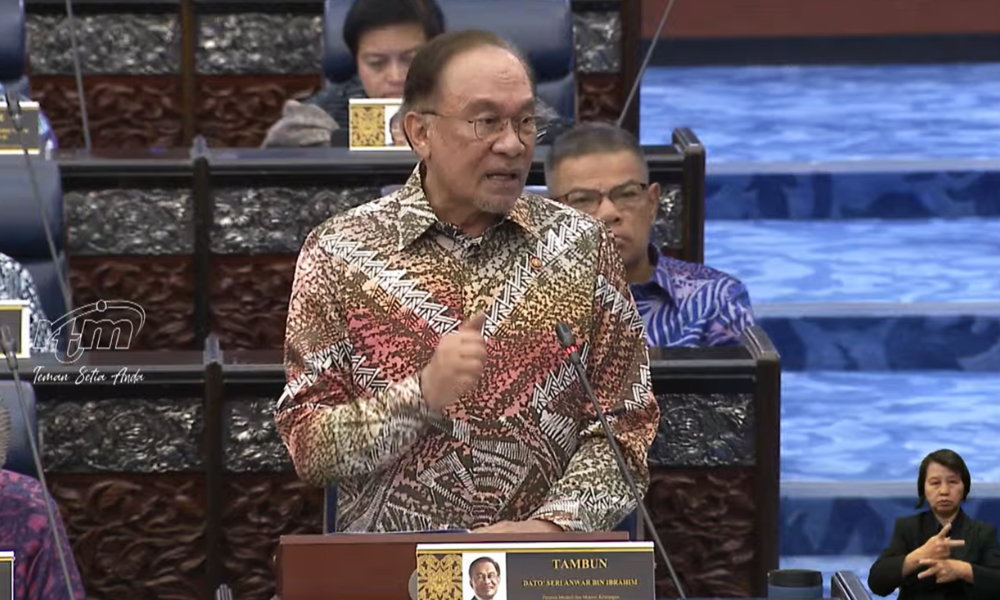
When tabling the 13MP in Parliament last week, Prime Minister Anwar Ibrahim said the government is looking to build more waste-to-energy plants via collaborations with the private sector to reduce dependence on landfills.
Learn from other countries
However, RTI asserted that the 13MP must shift towards a more forward-looking and sustainable strategy, focused on eliminating waste instead of burning it.
It also noted that the experience of countries like China has shown that incineration, a costly and environmentally harmful approach, is being phased out as recycling systems improve and zero-waste policies take hold.
“Malaysia must learn from these lessons, avoid repeating the same mistakes, and move towards a truly responsible, people-centred waste management system,” RTI said.
“A true circular economy doesn’t begin with mega-incinerators in towns like Batu Arang.
“It begins with bold reform, decentralised recycling, and meaningful community engagement - not top-down projects that benefit contractors more than citizens,” it added.
Opposition in Rawang
The proposed incinerator in Rawang - formally titled the Sultan Idris Shah Green Energy Plant - is one of several such plants approved by the Selangor state government.
Batu Arang residents have opposed the project over health, safety, and environmental concerns.
This includes the town’s geographic structure due to its location on former open-cast coal mines, which the group said makes the land unstable and poses a risk of collapse.
The group said there were also coal seams about 50km long under Batu Arang, and a waste-to-energy plant opens the possibility of fire or an explosion.
/file/publisher-c1a3f893382d2b2f8a9aa22a654d9c97/2025/06/77e614a1ac7ff556dbc0a5b112813317.jpg)
/file/publisher-c1a3f893382d2b2f8a9aa22a654d9c97/2024/10/3bc5595143086a2b72d2d6eba63b7bfc.jpg)
/file/publisher-c1a3f893382d2b2f8a9aa22a654d9c97/2023/08/382fd9523c73622447021ffbb87b04b6.jpg)
/file/publisher-c1a3f893382d2b2f8a9aa22a654d9c97/2024/10/a5c80f364630a269982cffa3a3c537cb.jpg)


Are you sure you want to delete this comment?
This action cannot be undone.