


/file/publisher-c1a3f893382d2b2f8a9aa22a654d9c97/2020/09/0a0bbfe986f7295bcc811e63472c819b.jpg)

PBS-Star pact collapses, old wounds resurface ahead of polls
The alliance between Parti Bersatu Sabah (PBS) and Parti Solidariti Tanah Airku (Star) has unravelled, throwing the Kadazandusun Murut (KDM) vote into uncertainty just weeks before Sabah goes to the polls.
Long known for its divisions, the KDM political front appeared to turn a corner when PBS and Star signed a memorandum of understanding (MoU) on April 18, 2024, pledging not to contest against each other.
The alliance between Parti Bersatu Sabah (PBS) and Parti Solidariti Tanah Airku (Star) has unravelled, throwing the Kadazandusun Murut (KDM) vote into uncertainty just weeks before Sabah goes to the polls.
Long known for its divisions, the KDM political front appeared to turn a corner when PBS and Star signed a memorandum of understanding (MoU) on April 18, 2024, pledging not to contest against each other.
PBS acting president Joachim Gunsalam insists his party will continue to honour that pact, but only if Star does the same.
“The understanding is still there, still binding. Unless both parties agree to abandon it, it is not broken. But if Star chooses to contest against us in our areas, then it is effectively abandoned,” he said.
The MoU, witnessed by Gabungan Rakyat Sabah (GRS) chairperson Hajiji Noor, was touted as a milestone in KDM unity after years of clashes.
Both parties had framed it as a commitment to strengthen the coalition and avoid splitting their voter base.
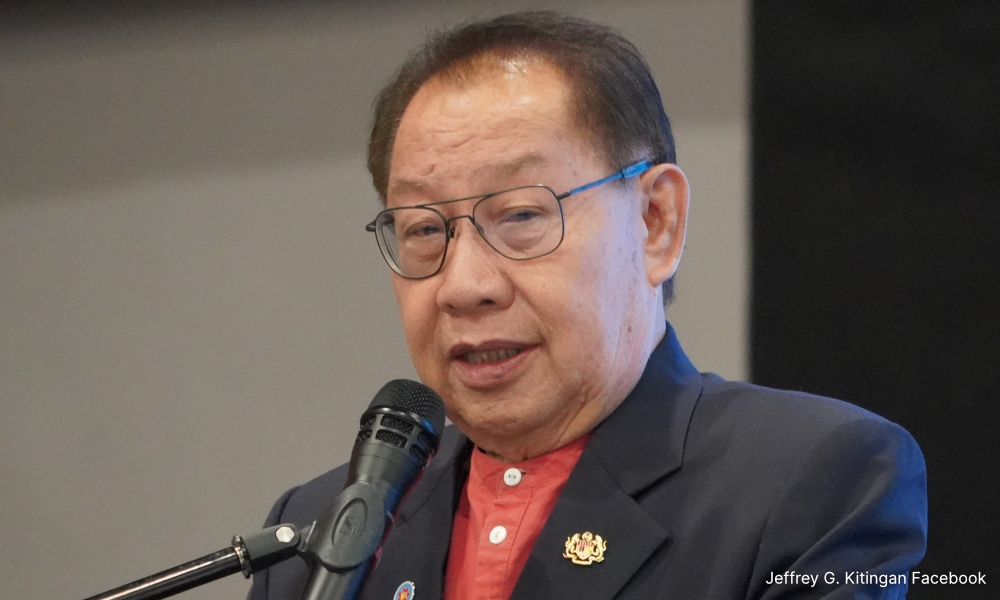
But with Star president Jeffrey Kitingan pulling his party out of GRS and declaring it will go solo, that understanding now lies in tatters.
Kitingan returned from Kuala Lumpur visibly upset after five of his incumbents - deputies Ellron Angin (Sook) and Robert Tawik (Bingkor), along with Abidin Madingkir (Paginatan), Annuar Ayub (Liawan), and Flovia Ng (Tulid) - broke ranks to pledge loyalty to GRS.
He warned that PBS’ refusal to align with Star, combined with its unsettled leadership, would only confuse voters.
“If PBS and Star are not united, voters will be confused, and the KDM vote will be split. We invited PBS to go solo together with us. But if they do not want to, that is their decision,” he said.
Merger talk not ruled out
Despite the clash, both leaders stopped short of dismissing the long-discussed merger between PBS and Star.
Gunsalam said the matter is “not off the table” but admitted it was now stalled.
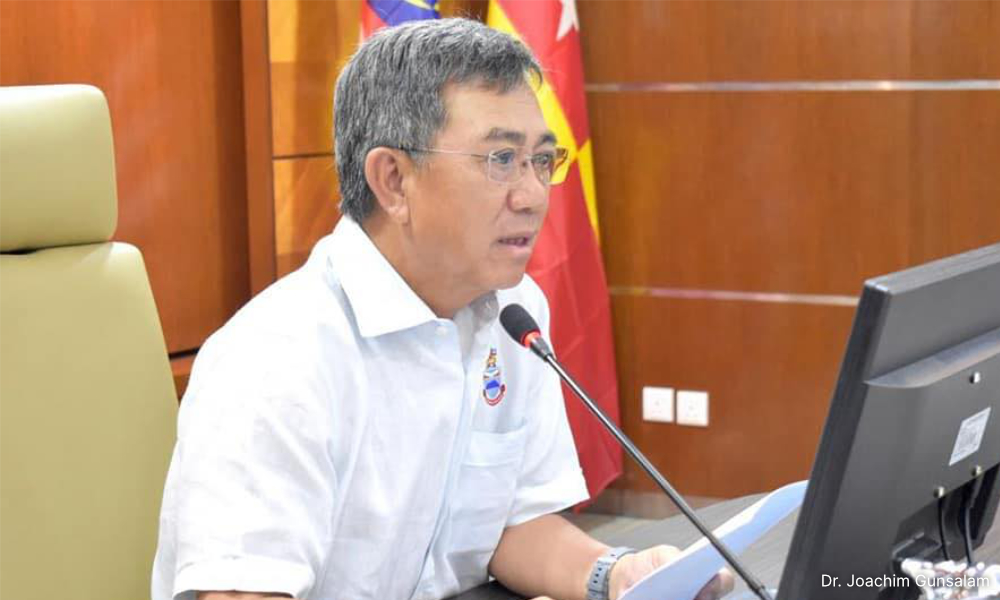
“The understanding is still there. We haven’t given up on it. But for now, it’s like a halt,” he said.
Kitingan also echoed that sentiment, saying the idea could be revisited once PBS stabilises its leadership.
“If PBS can resolve their leadership after their election, then we can sit down again,” he said, perhaps referring to Gunsalam still being an acting PBS president.
PBS has decided to only hold party polls after the Sabah election, which can be held at any time after the Sabah state assembly was dissolved on Oct 6.
Ghosts of 2020
The split has deep roots. During the 2020 state election, GRS was still a loosely assembled coalition.
Star was then part of Perikatan Nasional, while PBS remained “PN-friendly” without being a formal component.
Star’s leverage grew from being aligned with the prime minister’s party under Muhyiddin Yassin.
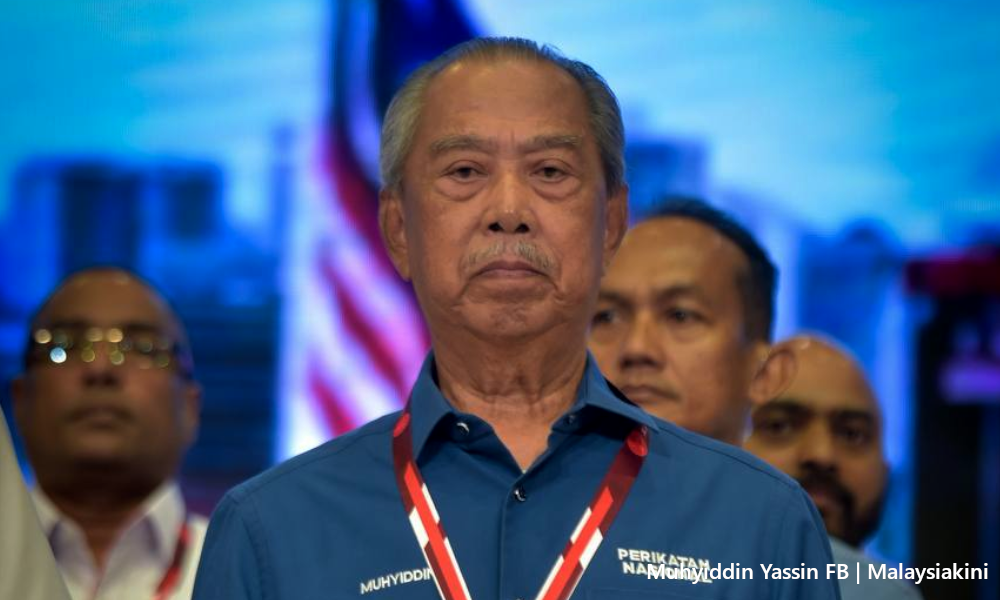
But on nomination day, unity quickly crumbled. PBS stunned its allies by fielding more candidates than expected, triggering a wave of friendly fire across Sabah. By the end, GRS allies clashed in 17 constituencies.
PBS and Star went head-to-head in the KDM heartland seats of Tambunan, Bingkor, Paginatan, Liawan, Sook, and Tulid. The result was electoral chaos, with candidates cannibalising each other’s support base.
PBS leaders defended their move, arguing the party needed to reassert itself under its own banner after 16 years inside BN.
In the 2020 Sabah state election, PBS contested 22 seats and won seven, while Star fielded candidates in eight seats and secured six victories.
But the overlapping contests have left lasting scars for both parties.
The April 2024 MoU was designed to prevent a repeat of that embarrassment, marking the first formal agreement between the two parties not to clash.
Yet, the KDM parties rarely secure a majority of seats on their own, often emerging as decisive kingmakers in Sabah’s shifting coalitions.
/file/publisher-c1a3f893382d2b2f8a9aa22a654d9c97/2025/07/81fec8cb47b8866662e80b761373bd90.jpg)
/file/publisher-c1a3f893382d2b2f8a9aa22a654d9c97/2022/08/941c14a8d6d3d6a995368207a83c1c24.jpg)
/file/publisher-c1a3f893382d2b2f8a9aa22a654d9c97/2025/07/6fbae44c8ab272e0b886f8b3902ca030.jpg)
/file/publisher-c1a3f893382d2b2f8a9aa22a654d9c97/2025/10/7ed4b0528e842b26cb98de8d03880793.jpg)
/file/publisher-c1a3f893382d2b2f8a9aa22a654d9c97/2025/10/2b4ba657c436d2ad1e95fa751c4fe3b1.jpg)
/file/publisher-c1a3f893382d2b2f8a9aa22a654d9c97/2022/11/616ab048780ca6585dc0a891841e85ca.jpg)


Report this comment
Are you sure you want to delete this comment?
This action cannot be undone.