


/file/publisher-c1a3f893382d2b2f8a9aa22a654d9c97/2023/12/5ba1d518eef72a57aa1e9f994a46efb1.jpg)

No new law needed to tackle deepfakes, AI fraud - deputy minister
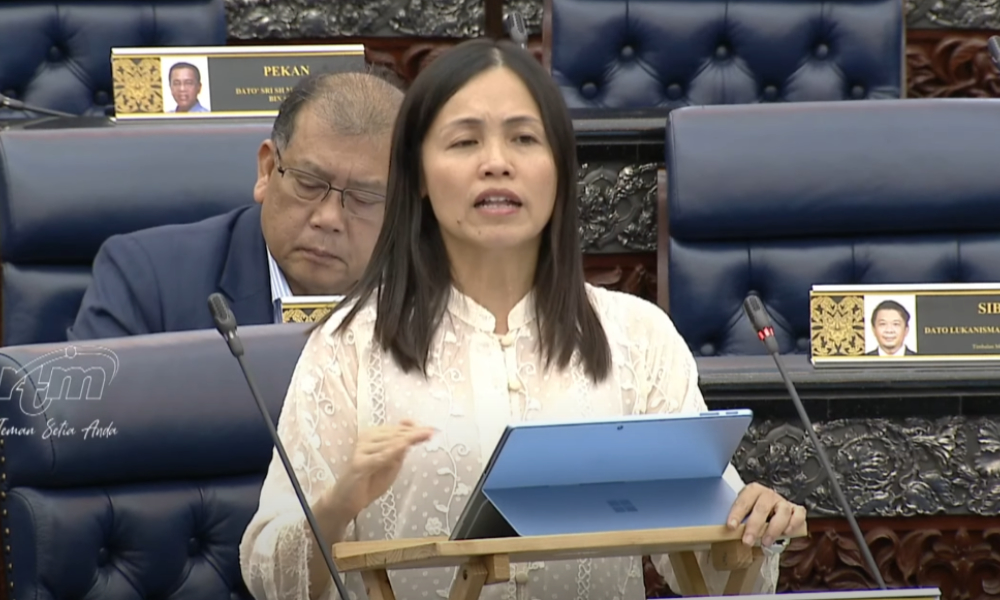
PARLIAMENT | No new legislation is needed to address the issue of deepfakes and artificial intelligence (AI) misuse, said Deputy Communications Minister Teo Nie Ching in Parliament today.
When questioned by Suhaili Abdul Rahman (PN-Labuan) regarding the government’s existing plans to tackle AI misuse and combat online fraud, Teo said that recent amendments to Section 23(1) of the Communications and Multimedia Act 588, and the newly implemented Online Safety Act, should be sufficient to address such matters.
PARLIAMENT | No new legislation is needed to address the issue of deepfakes and artificial intelligence (AI) misuse, said Deputy Communications Minister Teo Nie Ching in Parliament today.
When questioned by Suhaili Abdul Rahman (PN-Labuan) regarding the government’s existing plans to tackle AI misuse and combat online fraud, Teo said that recent amendments to Section 23(1) of the Communications and Multimedia Act 588, and the newly implemented Online Safety Act, should be enough to address such matters.
“For now, I think the existing amendments to Section 23 (1) of the Communications and Multimedia Act 588 are sufficient.
“Because for those who use false information to commit fraud, it would already be considered a criminal offence. So it doesn’t matter if they used AI, deepfakes or whatnot; it is already considered an offence,” she said.
Further, Teo highlighted how the Online Safety Act, which came into effect in July this year, had been a proactive step taken by the government in addressing the matter, and that MCMC is working to improve subsidiary instruments under the new Act.
In August, Teo said that the 10 subsidiary instruments comprising regulations and implementation codes were expected to be completed between the fourth quarter of this year (Q4 2025) and the second quarter of next year (Q2 2026), depending on their complexity and readiness.
Fighting misinformation
In Parliament today, she also explained that the MCMC will continue to collaborate with social media platforms and enforcement agencies to combat misinformation and harmful content.
According to Teo, from Jan 1, 2022, until Oct 15, 2025, the regulatory body had dealt with at least 3,074 reports concerning AI and deepfakes, of which 77 percent have been successfully taken down.
Regarding fake information and other false content, she also said that the MCMC has dealt with more than 55,000 posts, of which 85 percent have been taken down.
She explained that the removal of such content had been done based on complaints and community guidelines set by local laws.
Further, Teo also stressed that one of the biggest challenges MCMC faces is when trying to identify the culprit behind fake emails and fake social media accounts.
“We have also received complaints regarding TikTok accounts that have misused the image of the Agong. But when we tried to detect the owner of those accounts, we found that they had used false information from foreigners to register their social media accounts.
“So, at the end of the day, the Attorney-General’s Chambers decided to close the case without pursuing further action, because we could not detect the suspects.
“Hence, one of the efforts by MCMC to address this matter is by tightening regulations on prepaid SIM cards,” she said.
Teo was responding to a supplementary question by Taufiq Johari (Harapan-Sungai Petani), who had also similarly raised concerns over AI misuse, citing the case of several politicians recently being implicated in sex threat videos.
‘Fabricated’ sex video threats
Last month, at least 10 politicians, including Taufiq himself and Communications Minister Fahmi Fadzil, had received sex video threats, allegedly fabricated through AI.
Fahmi said checks found that the threats appeared to have been sent from the same email address and contained similar threats and even similar screenshots of the alleged video, which the minister said was created with artificial intelligence.
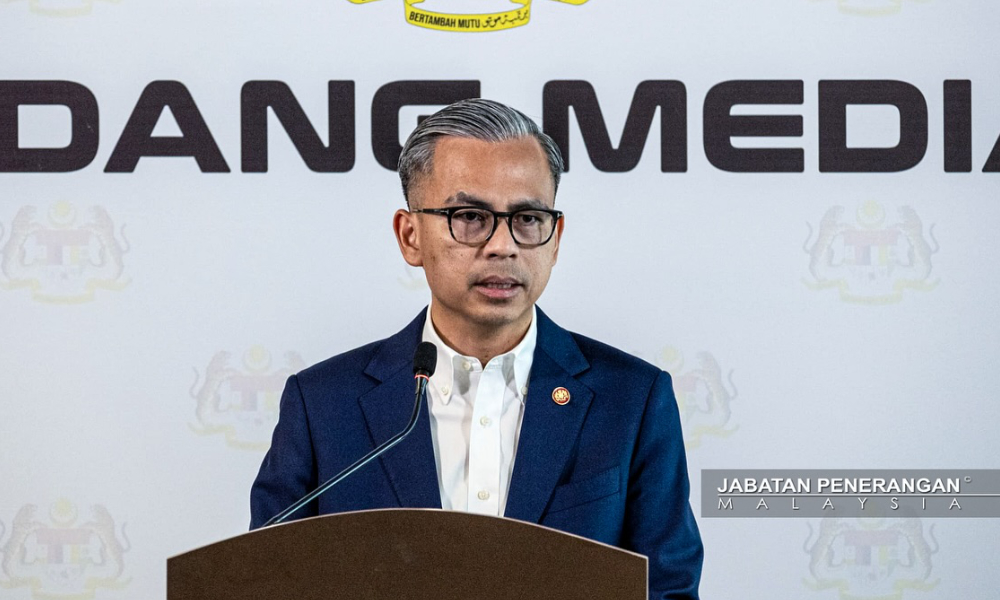
In a now-deleted post on X that Fahmi shared, the screenshot of a black and white video showed two men lying together in bed. Fahmi's face appeared to have been superimposed on one of the men.
Those who received the email were threatened with the release of the video if they did not pay US$100,000 (RM420,000).
According to Fahmi, the politicians who have received the threats thus far have been PKR MPs Rafizi Ramli, Wong Chen, Adam Adli Abd Halim; PKR assemblypersons Najwan Halimi and Fahmi Ngah; PKR senator Manolan Mohamad; and Gerakan assemblyperson Wong Chia Zhen.
Fahmi had said that the government would not compromise on anyone who misused technology to make threats or fool the public.
Reporting by Dania Kamal Aryf, Hariz Mohd, Qistina Nadia Dzulqarnain, Shakira Buang
/file/publisher-c1a3f893382d2b2f8a9aa22a654d9c97/2025/02/433246e1e39183345ed4a2c85b17d99d.jpg)
/file/publisher-c1a3f893382d2b2f8a9aa22a654d9c97/2025/05/d9400384a639cecb394666647fd119b9.jpg)
/file/publisher-c1a3f893382d2b2f8a9aa22a654d9c97/2025/08/aa10d8336f642f9735d8acbbdc0a2455.jpg)
/file/publisher-c1a3f893382d2b2f8a9aa22a654d9c97/2023/12/5ba1d518eef72a57aa1e9f994a46efb1.jpg)
/file/publisher-c1a3f893382d2b2f8a9aa22a654d9c97/2024/02/d9e817c361989ed4322f1dcca8a1ea66.jpg)
/file/publisher-c1a3f893382d2b2f8a9aa22a654d9c97/2025/08/7c53e276d8508f9a22cc7624c080145a.jpg)


Are you sure you want to delete this comment?
This action cannot be undone.