


/file/publisher-c1a3f893382d2b2f8a9aa22a654d9c97/2025/06/889f4a2fca1413a4ea89ad1da3e9b79d.jpg)

LCS project hits another snag after Norway bans missile export to M'sia
In response to media reports, Defence Minister Khaled Nordin said Malaysia is using diplomatic channels with Norway to obtain an explanation and seek the next steps forward to protect the nation’s interests.
“At the same time, the Defence Ministry will...
The long-delayed littoral combat ship (LCS) project has hit another snag that could leave it without an anti-surface missile armament, following a change of policy in Oslo.
In response to media reports, Defence Minister Khaled Nordin said Malaysia is using diplomatic channels with Norway to obtain an explanation and seek the next steps forward to protect the nation’s interests.
“At the same time, the Defence Ministry will continue ensuring that the nation’s readiness and strategic defence needs are not jeopardised, while maintaining longstanding good relations with Norway,” he said in a statement yesterday.
The statement followed a report by the defence news portal Malaysian Defence earlier that day, which claimed that Norway had banned exports of the Naval Strike Missile (NSM) to Malaysia.
Each of the Royal Malaysian Navy’s five Maharaja Lela-class LCS is meant to be armed with eight such missiles. They are primarily used to attack naval targets from hundreds of kilometres away, but can also be used against land-based targets.
The lead ship KD Maharaja Lela had begun sea trials in January and is slated for delivery in December.
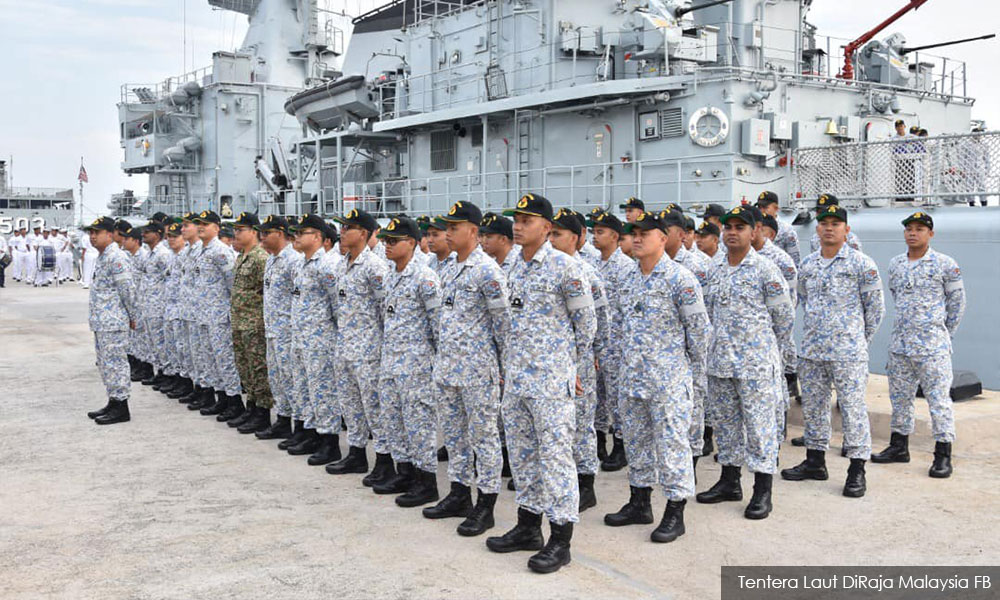
However, the export ban would mean the Norwegian defence firm Kongsberg would have to cancel the contract signed in 2018, as it could not legally deliver the missiles to Malaysia that would equip the ship.
In addition, existing equipment on the LCS, such as ramps for NSM launchers and ancillary wiring, may need to be removed, and the ship’s combat management system will need to be changed once the government chooses to adopt a different missile.
This puts additional pressure on a project that has already been delayed for years and is sorely needed by the navy to rejuvenate its ageing fleet.
The export ban affects not just the LCS programme, but also orders placed last year to replace Exocet missiles fitted on the Lekiu-class frigates KD Jebat and KD Lekiu.
“Due to the cancellation of the NSM contract, it is likely that Exocet launchers on both ships will be retained as they could also be used for the latest version of the French-made missiles,” Malaysian Defence reported.
Nato countries, close allies only
The report also claimed that Khaled was only informed of the decision during a meeting with Norwegian officials on April 20, on the first day of the Defence Services Asia 2026 exhibition, ahead of NSM deliveries scheduled this month.
The ban is reportedly due to a policy change in Oslo that forbids the delivery of advanced weapons to non-Nato countries apart from close allies.
“Norwegian authorities have concluded to revoke certain export licences related to specific technologies. This change is due to Norway’s stricter controls on certain technologies.
“Norway greatly values its strong relationship with Malaysia, and we look forward to continued cooperation and our constructive dialogue with the Malaysian authorities,” the Norwegian Foreign Affairs Ministry reportedly told Malaysian Defence.
Apart from the LCS programme, the navy is also procuring the littoral mission ship batch 2 from Turkiye for its fleet modernisation programme. These are slated to be armed with Turkish-made Atmaca missiles for their anti-surface missile armament.
/file/publisher-c1a3f893382d2b2f8a9aa22a654d9c97/2025/02/5fb497c31bd5621b91e2aa478a2a324b.jpg)
/file/publisher-c1a3f893382d2b2f8a9aa22a654d9c97/2026/04/95106293b6361620c156d425c0cf7338.jpg)
/file/publisher-c1a3f893382d2b2f8a9aa22a654d9c97/2024/11/d030285b69f212b207d29d7c3efd6877.jpg)
/file/publisher-c1a3f893382d2b2f8a9aa22a654d9c97/2021/05/de3a18d68ec70435d29b23e16f1bf103.jpg)


Report this comment
Are you sure you want to delete this comment?
This action cannot be undone.