


/file/publisher-c1a3f893382d2b2f8a9aa22a654d9c97/2026/01/53ae829de4d4b4455349d7ba25860291.jpg)

More than 20pct of M'sian pig farms shuttered in 2024-2025, production dropped 15pct
The number of registered pig farms and total pork production in Malaysia experienced a sharp double-digit decline between 2024 and 2025, signalling an increasing reliance on imported pork to meet local demand.
In a written parliamentary reply to Kepong MP Lim Lip Eng on June 25, 2026, the Agriculture and Food Security Ministry revealed that the number of operating pig farms in the country dropped by 22.3 percent, falling from 435 farms in 2024 to 338 in 2025.
Correspondingly...
The number of registered pig farms and total pork production in Malaysia experienced a sharp, double-digit decline between 2024 and 2025, signalling an increasing reliance on imported pork to meet local demand.
In a written parliamentary reply to Kepong MP Lim Lip Eng on June 25, 2026, the Agriculture and Food Security Ministry revealed that the number of operating pig farms in the country dropped by 22.3 percent, falling from 435 farms in 2024 to 338 in 2025.
Correspondingly, local output contracted significantly. Total domestic pork production stood at 136,506.30 metric tonnes in 2024, but plummeted by 15.5 percent to an estimated 115,283.7 metric tonnes in 2025.
The ministry noted that local supply has faced continuous pressure after previously being heavily hit by outbreaks of African Swine Fever (ASF).
In Malaysia, ASF has occurred in multiple waves in recent years, causing severe disruptions to the local pig farming industry.
The first large-scale domestic ASF outbreak in recent years was reported in December 2021 in Paya Mengkuang, Malacca.

Throughout 2022 and 2023, the virus progressively spread to other states, including Perak, Johor, Negeri Sembilan, Pahang, and parts of Sabah and Sarawak.
Selangor was also hit by an outbreak starting in January 2025, and Penang in July 2025.
Imported pork fills gap
Due to the shrinking domestic production, Malaysia must rely on imports to stabilise the market.
The ministry assured that despite the local shortfall, the nation’s overall pork supply remains sufficient.
Total supply for 2025, bolstered heavily by imports, was estimated at 221,958.69 metric tonnes, safely covering the projected domestic demand of 213,927.92 metric tonnes.
This demand forecast is calculated based on pork consumption among the non-Muslim population, who make up approximately 36.5 percent of Malaysia’s total demographic.
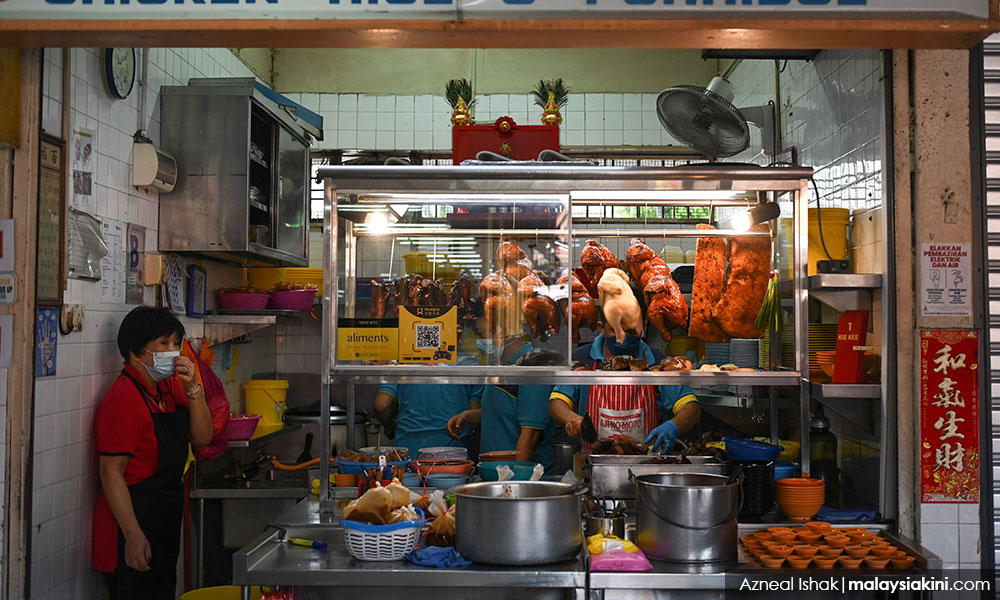
To buffer the 15.5 percent drop in local production and prevent market shortages, the ministry said the government is continuously filling the supply gap through imports from approved overseas plants.
Royal rebuke
Pig farming has been a highly contentious issue in Selangor, with the Bukit Tagar centralised pig farming project proposal in Hulu Selangor triggering a massive political and social storm early this year.
The turning point came in February, when Selangor Menteri Besar Amirudin Shari announced that the state government would completely halt the issuance of all pig farming licences and shut down all existing operations in stages.
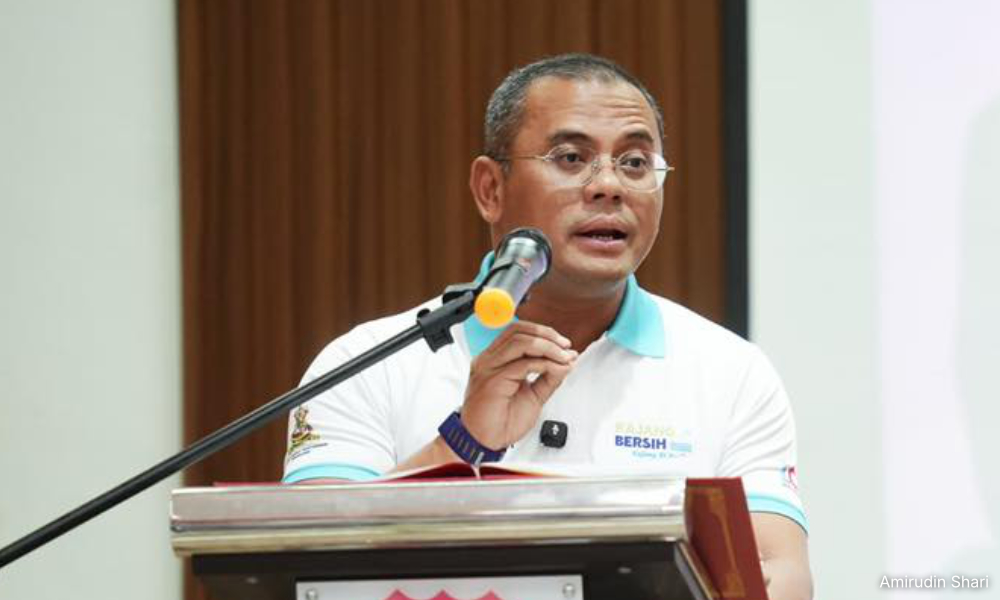
This drastic policy shift followed a royal decree by Selangor ruler Sultan Sharafuddin Idris Shah, who withheld consent to pig farming anywhere in the state due to compounding environmental damage, water safety risks, and social friction.
This decision effectively cancelled the Bukit Tagar project and ordered existing traditional hubs, like those in Tanjong Sepat, to be phased out completely by July 2026.
/file/publisher-c1a3f893382d2b2f8a9aa22a654d9c97/2024/10/30f4a0e29ffa5710ad025f3fdeeee16a.jpg)
/file/publisher-c1a3f893382d2b2f8a9aa22a654d9c97/2022/06/2cdc4fbc0854579162a5e1eddd50d473.jpg)
/file/1344/0e3c7101b22ac7d53acdc29314882175.jpeg)
/file/publisher-c1a3f893382d2b2f8a9aa22a654d9c97/2023/06/192af6210283b55c488d8abd9ffea35e.jpg)
/file/publisher-c1a3f893382d2b2f8a9aa22a654d9c97/2026/04/c6e9381628b45b4a1f6e912873045aad.jpg)
/file/publisher-c1a3f893382d2b2f8a9aa22a654d9c97/2026/04/2b53b822c8aa603b5c67df097005f6f0.jpg)


Report this comment
Are you sure you want to delete this comment?
This action cannot be undone.