



Filial piety still shines among the Chinese
COMMENT | What actually inspired me to pen this on this first day of Chinese New Year is the jottings by Tunku Mufuza, a former TNB lawyer, of his encounter with a young Chinese man at a food kiosk he operates in Putrajaya with his wife.
It was a heart-warming tale of a Malay couple’s simple gesture of offering some kuih to the young man who could not balik kampung to Ipoh to celebrate the Lunar New Year because his boss has not paid him his salary. And this is on the morning of Chinese New Year’s Eve.
The man, named as Tan by the writer, was teary as he thanked Mufuza’s wife for her generosity.
“My wife asked him to take the three packets of kuih, too, when he came to buy two bungkus nasi lemak. They are not worthy of mention but they are from the bottom of our hearts. Keep the glow in your heart, young man, though you may not be able to spend Chinese New Year with your parents and siblings,” Tunku Mufuza jotted.
From that episode, three topics came to my mind, which are worth putting into words. One, the empathy of the Malay couple towards the young Chinese guy, who was probably at his wit’s end this Chinese New Year.
Ordinary Malaysians of all races are still supportive of one another and living in harmony despite the ugly issues of race and religion being harped upon by the few bigots and extremists in our midst.
Two, the prevailing bleak economic climate, which has caused untold suffering to many, Tan’s boss, probably, and surely all salaried employees like Tan. But let’s not discuss a negative subject on this festive occasion.
And the third is Tan’s sadness at not being able to make it home to be with his family as he couldn’t afford to because his salary has not been paid.
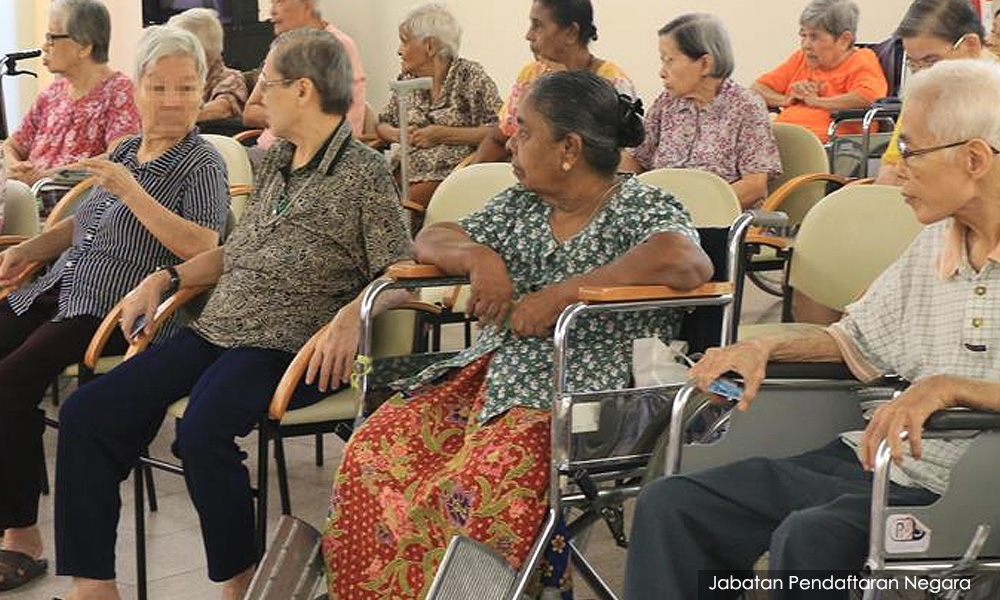
Although the Chinese New Year Eve’s reunion dinner is an important feature, it is the children returning home to be with their aged parents, which is more noteworthy...
COMMENT | What actually inspired me to pen this on this first day of Chinese New Year is the jottings by Tunku Mufuza, a former TNB lawyer, of his encounter with a young Chinese man at a food kiosk he operates in Putrajaya with his wife.
It was a heart-warming tale of a Malay couple’s simple gesture of offering some kuih to the young man who could not balik kampung to Ipoh to celebrate the Lunar New Year because his boss has not paid him his salary. And this is on the morning of Chinese New Year’s Eve.
The man, named as Tan by the writer, was teary as he thanked Mufuza’s wife for her generosity.
“My wife asked him to take the three packets of kuih, too, when he came to buy two bungkus nasi lemak. They are not worthy of mention but they are from the bottom of our hearts. Keep the glow in your heart, young man, though you may not be able to spend Chinese New Year with your parents and siblings”, Tunku Mufuza jotted.
From that episode, three topics came to my mind, which are worth putting into words. One, the empathy of the Malay couple towards the young Chinese guy, who was probably at his wit’s end this Chinese New Year.
Ordinary Malaysians of all races are still supportive of one another and living in harmony despite the ugly issues of race and religion being harped upon by the few bigots and extremists in our midst.
Two, the prevailing bleak economic climate, which has caused untold suffering to many, Tan’s boss, probably, and surely all salaried employees like Tan. But let’s not discuss a negative subject on this festive occasion.
And the third is Tan’s sadness at not being able to make it home to be with his family as he couldn’t afford to because his salary has not been paid.
Although the Chinese New Year Eve’s reunion dinner is an important feature, it is the children returning home to be with their aged parents, which is more noteworthy.
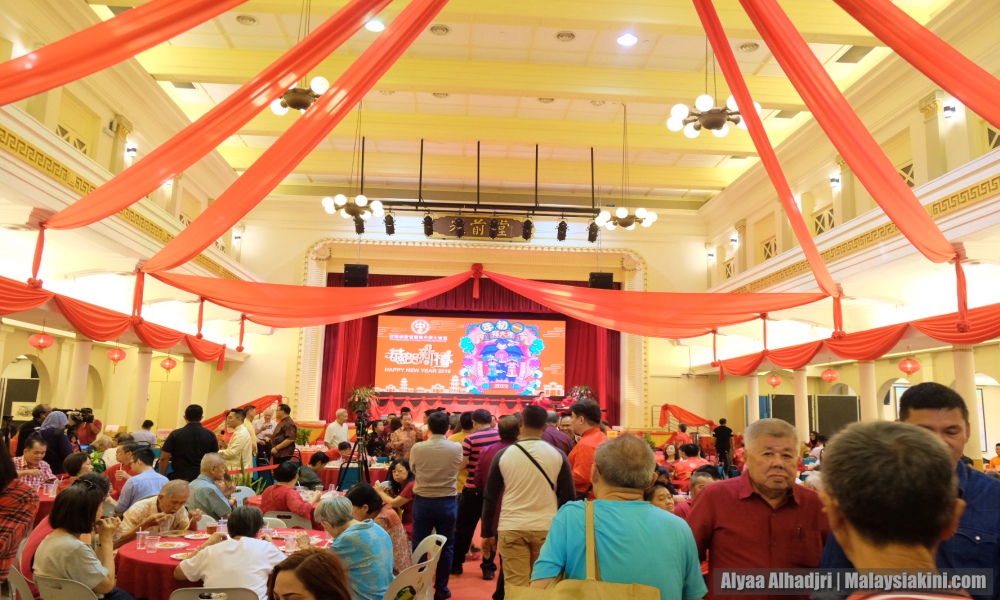
Filial piety is a subject close to my heart. I have written about it in the past and on this happy occasion, I’m glad to say that many young people I know are still living with their parents today.
Here are two examples. A friend and his wife in Johor Bahru are happy that their son did not move out after he got married. They too welcomed their daughter-in-law warmly into their home.
Their first family home was a humble terrace house but now they have a more spacious semi-detached house. The son works in Singapore and commutes daily to the island state.
My friend told me that his son and daughter-in-law would always make it a point to attend to his wife’s needs while he helps his son with the mortgage for the house.
“We are happy living under one roof. Our two grandchildren are also a joy in our lives now. But most important of all is our son’s filial piety. My daughter-in-law also returns dutifully to visit her parents in Kuala Lumpur during her leave from work,” he told me.
That is certainly one happy family.
A younger friend of mine, now in his forties and married with three children, is also staying with his parents in Kuching. He told me he invited his parents to stay with him after he managed to buy a bigger house more than 10 years ago.
I met him again on my recent trip back home to Kuching and when I inquired about his family, he told me that it was good for his children with the grandparents around.
He is right. Grandparents can easily play the role of second guardians of children as they grow up and be a good influence in their lives.
Generally, among Chinese families in Sarawak, filial piety is a culture that has been cherished for generations.
Some young couples have no choice, but...
Although some young couples have no choice but to admit their elderly parents to old folks’ homes out of necessity, many children do prefer to take care of their parents at home during their sunset years.
On this, I’m really proud of my own family and have to give credit to my siblings – a brother and four sisters – who tended to our aged and sick parents at home till they passed on.
It did help that we were from a big family. Our father had been unwell for the last six years of his life. He withered away and died peacefully in his sleep at home. He was 84.
My mother suffered a stroke and was bed-ridden for two years before she passed on – also at home – at 85.
When you have two elderly and sickly parents at the same time to tend to, it is not easy, but somehow, my siblings managed the difficult task for many years.
I had not lived in Kuching for quite a while, so I was spared the pain and agony of seeing my parents withering away at home.
Today, as I discuss the subject of filial piety, I believe I owe it to my siblings to thank them sincerely for having lovingly tended to our elderly and sick parents for so many years until they left us.
I am also proud to mention today that my father and his siblings had, in turn, also been filial children to their parents.
My paternal grandparents also passed on in their old age at home.
Today, my late father’s four surviving sisters, one in her 90s, are also staying with their children. Kudos to my cousins in Kuching who have been tendering lovingly to their mothers at home.
To these two generations in our family, I think the term ‘Home for the Aged’ does not exist in our dictionary.
I am sure it’s the same for many Chinese families in Kuching and all over the country. I, for one, would dread the idea of spending my sunset years in an old folks’ home.
To quote Confucius, “Filial piety is the root of virtue and the source of civilisation. We establish ourselves and practise the way, thereby perpetuating our name for future generations and bringing glory to our parents. This is the fulfilment of filial piety and it begins with serving one’s parents, our rulers and is completed by establishing one’s character.”
In closing, a words of thanks is due to Tunku Mufuza for his jottings, which inspired me to pen this and reminds us all about filial piety. Well done, Saudara Tunku Mufuza dan isteri. You have been exemplary!
Gong Xi Fa Cai everyone and happy holidays.
FRANCIS PAUL SIAH heads the Movement for Change, Sarawak (MoCS) and can be reached at sirsiah@gmail.com
The views expressed here are those of the author/contributor and do not necessarily represent the views of Malaysiakini.




Are you sure you want to delete this comment?
This action cannot be undone.