



COMMENT | Fighting racism starts at home
COMMENT | “I don’t talk to bloody Asians,” he brushed me off. This was in 1986, in Perth. I was a reporter then, asking for directions to a press conference. A neo-fascist movement was then headlining the local media with its "No Asians" politics.
Anti-Asian sentiment has perceivably diminished since the White Australia policy was abolished in 1975. But racial scapegoating, and racism however it is defined, still happens when times are bad, such as the Sars outbreak in 2004 and Covid-19 today.
Those in a dominant position of power and privilege do not see racism the way minority groups in under-privileged circumstance face racism daily, their dignity degraded, their access to economic opportunities systematically blocked.
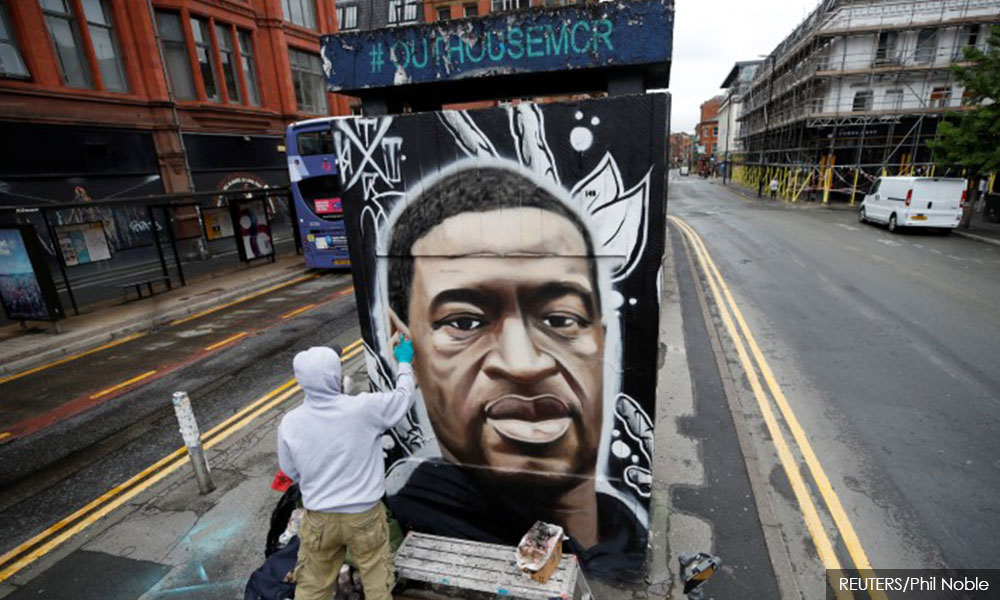
I will limit here my perception of racism to its personal targets: racial profiling, verbal slurs and physical aggression - all manifested in the police brutality against Black Americans and hateful slurs against Asians during Covid-19.
In Australia, that includes the disproportionate incarceration of Indigenous Australians, and in Malaysia, the ...
COMMENT | “I don’t talk to bloody Asians,” he brushed me off. This was in 1986, in Perth. I was a reporter then, asking for directions to a press conference. A neo-fascist movement was then headlining the local media with its "No Asians" politics.
Anti-Asian sentiment has perceivably diminished since the White Australia policy was abolished in 1975. But racial scapegoating, and racism however it is defined, still happen when times are bad, such as the SARS outbreak in 2004 and Covid-19 today.
Those in a dominant position of power and privilege do not see racism the way minority groups in under-privileged circumstances face racism daily, their dignity degraded and their access to economic opportunities systematically blocked.
I will limit here my perception of racism to its personal targets: racial profiling, verbal slurs and physical aggression - all manifested in the police brutality against Black Americans and hateful slurs against Asians during Covid-19.
In Australia, that includes the disproportionate incarceration of Indigenous Australians, and in Malaysia, the disproportionate deaths of Indians in police custody, as well as the victimisation of migrant workers and refugees.
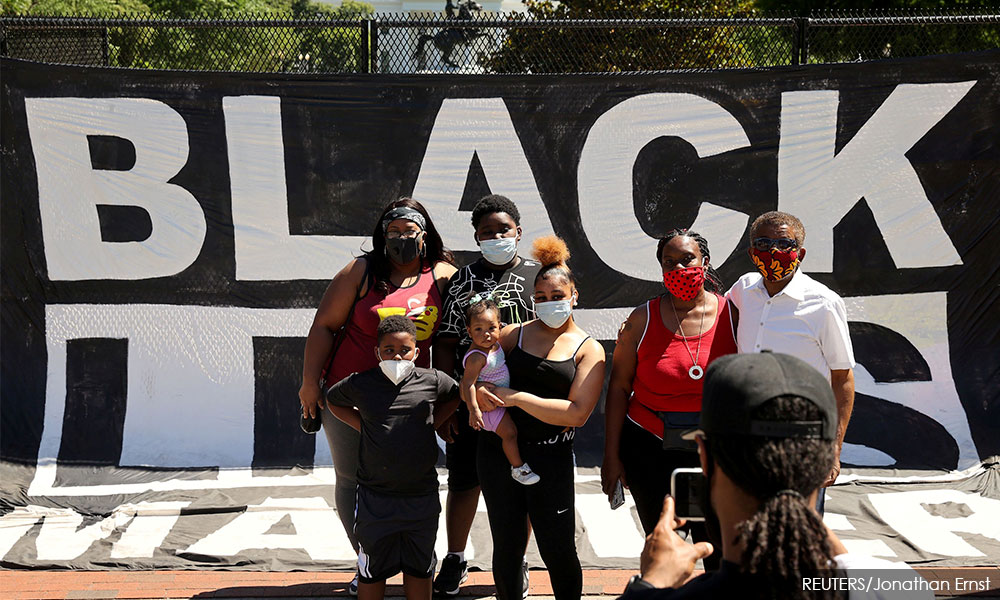
One may be overly optimistic to think the global protests for "Black Lives Matter" can effectively dismantle the pillars of racism that are being propped up by “white privilege” – or in our case, bumiputera privilege engendered by a "Ketuanan Melayu" mindset.
Robin DiAngelo, author of White Fragility: Why It’s So Hard For White People To Talk About Racism, said in a CNN interview that racism will stay with us unless we begin to seriously listen to “what people of colour and Black people have been telling us for centuries”.

The history of police brutality against Black Americans has even prompted Asian-Americans – widely perceived as the “model minority” – to self-examine the prevalence of anti-Blackness and colourism within their own family.
Bigotry, however, prevails even within white communities, such as for centuries the anti-Irish racism in England and later in the US.
Yes, racism resides in our thinking. It shapes our attitudes, which makes it hard, but not impossible, to transcend. Elizabeth Wellington from the Philadelphia Inquirer wrote shortly after the murder of George Floyd: “It’s time we unlearn ideas about Black people that are a part of the American psyche …”
The unlearning and the de-racialising. These start with children, where the seeds of discrimination are first planted. Social educator Jane Elliott demonstrated this reality in a blue-eyed brown-eyed role play with children in 1968 in Iowa, soon after Martin Luther King Jr was killed in Memphis, Tennessee.
The experiment showed that children were brought up throughout their formative years to internalise a racial mentality and to see the world through the eyes of the adults. Many were socialised to think that some were born to serve, some to be served; some to rule, others to be ruled. Hence the descriptors: ingroup love and outgroup fear.
That was how the Hitler Youth was indoctrinated with the ideology of Aryan supremacy in Nazi Germany, and Afrikaner children insulated from about 50 years of injustices against Black South Africans during apartheid, which ended in 1993.
I grew up in the early 60s in a neighbourhood, sandwiched between a kampung and the Royal Australian Air Force residential area in Penang.
We were barefooted kids – Chinese, Indians, Malays - playing guli (marbles) or just hanging out amid the attap houses on stilts. My alarm clock was the muezzin’s call to prayer. I was as fluent in bahasa kasar as the kampung boys were in their smattering of broken Hokkien.
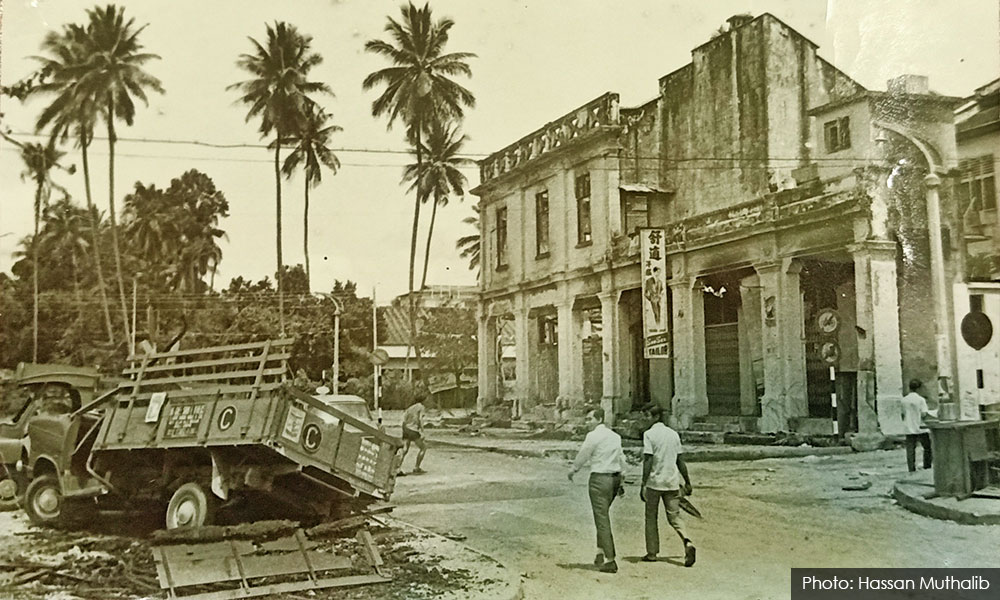
Race and religion did not matter – until the riots in May 1969 – when we began to see things through the eyes of the adults. The bloody drama of an uncle who survived a mob parang attack and the residents’ nightly sentry at a graveyard bordering our housing estate are indelible memories.
Did May 1969 curtail my interaction with Malay friends in school? Yes, for a while, shaped by stories the adults told in hushed tones. We were forbidden from spreading rumours in school when, with the benefit of hindsight, anti-bias education should have been taught early in a child’s life.
Photo albums of my adolescent years show I had few non-Chinese friends - until I entered university. Today, after three decades of living in Australia, my contact list shows names that are as ethnic as they are "Western". My social circle is understandably broader.
My son and daughter can, and should, do better although they, too, have faced ethno-cultural challenges growing up with few Asian friends. As “adult third culture kids”, they have married across racial lines.
Whether my grandchildren of mixed parentage will grow up discriminating blue-eyed people from brown-eyed, white from black and olive, is hard to tell. That said, my son and daughter will need to raise their children to fight the evils of racism and engage with people across racial, cultural and religious lines.
And, as their children grow through their formative years, they will need to translate their cross-cultural experience into their language, their thinking, attitudes and behaviour. Only then can the pillars of systemic racial prejudice be gradually dismantled.
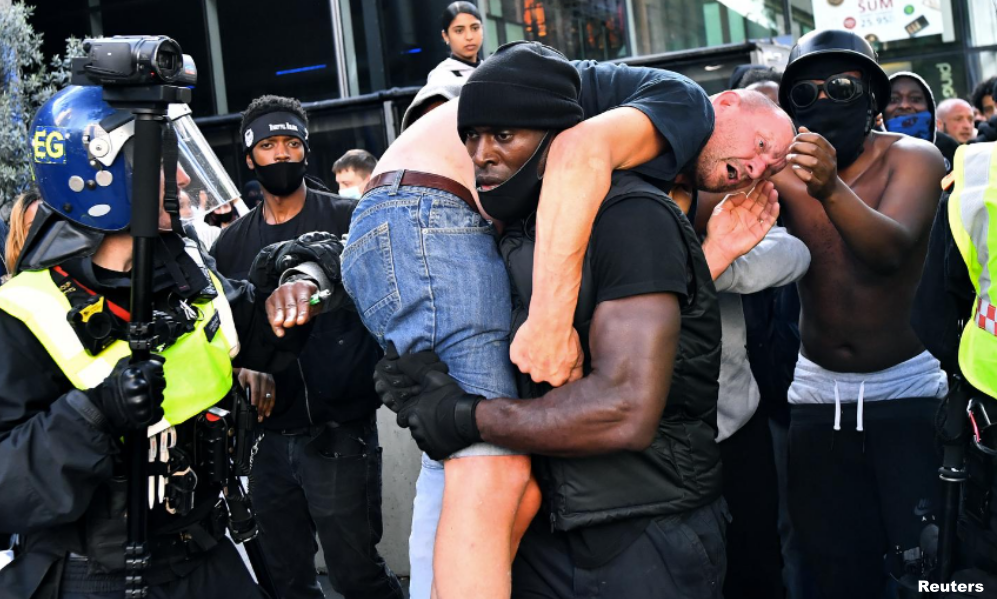
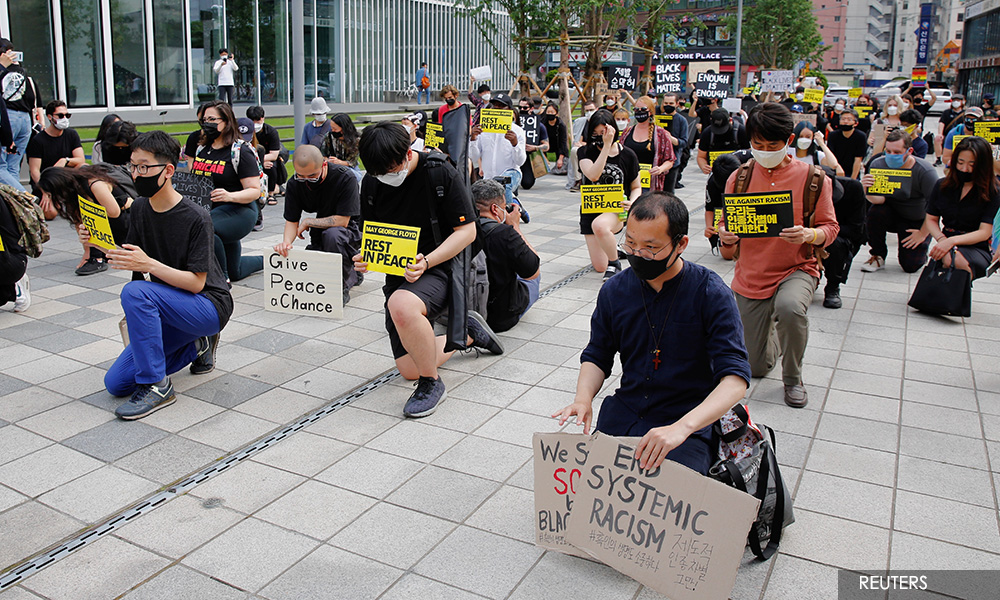
We need to recognise our own bigotry and cease deflecting with “I’m not racist but …” This only invalidates the trauma of racism that many continue to face. While marching the streets with anti-racism placards is necessary to proclaim that “all lives can’t matter until black lives matter”, fighting racism essentially starts at home.
ERIC LOO is the founding editor of the academic journal Asia Pacific Media Educator.
The views expressed here are those of the author/contributor and do not necessarily represent the views of Malaysiakini.


Report this comment
Are you sure you want to delete this comment?
This action cannot be undone.