




COMMENT | Not-so-merry a Christmas nor a happy new year
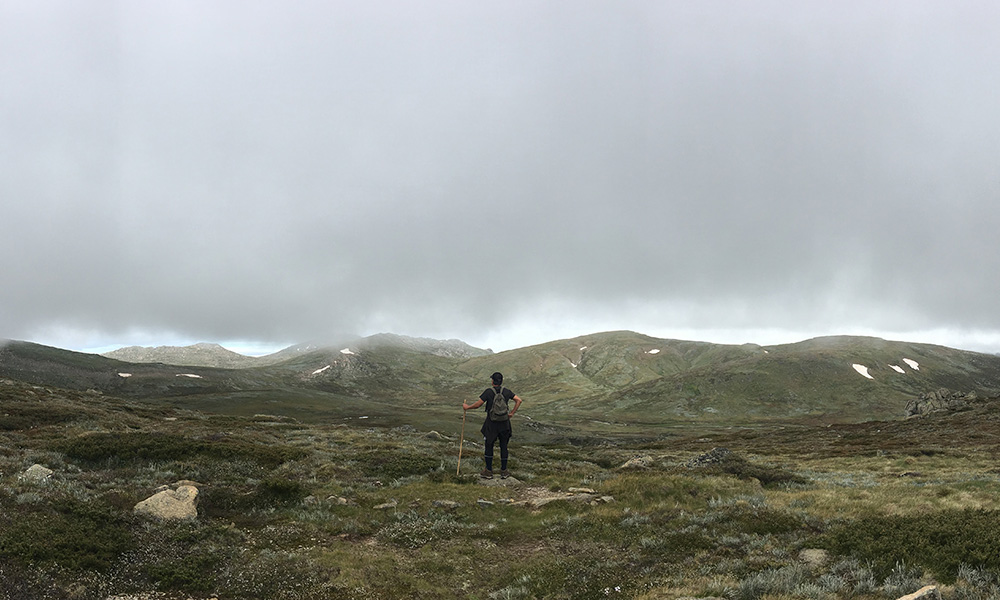
COMMENT | On a 30km hike across Australia’s Great Dividing Range last week, an old John Rowles song kept playing in my mind: “Time like the wind, it goes hurrying by, and the hours just fly …”
Indeed, eight hours just flew by as my wife and I tracked through the misty winds and summer rain on Mount Kosciuszko, its vast stretches of wild flowers and alpine grassland scattered with weathered rocks and craggy outcrops.
The feel of the misty peaks and glacial cirques reminded me of Gandalf’s answer to Frodo’s wish that certain things would not have happened in his time: “... all we have to decide is what to do with the time that is given us”.
As each Christmas approaches, how I have used up my time? And, what I am thankful for? Wandering in isolation on the high mountains tend to make you...
COMMENT | On a 30km hike across Australia’s Great Dividing Range last week, an old John Rowles song kept playing in my mind: “Time like the wind, it goes hurrying by, and the hours just fly …”
Indeed, eight hours just flew by as my wife and I tracked through the misty winds and summer rain on Mount Kosciuszko, its vast stretches of wild flowers and alpine grassland scattered with weathered rocks and craggy outcrops.
The feel of the misty peaks and glacial cirques reminded me of Gandalf’s answer to Frodo’s wish that certain things would not have happened in his time: “... all we have to decide is what to do with the time that is given us”.
As each Christmas approaches, how I have used up my time? And, what I am thankful for? Wandering in isolation on the high mountains tend to make you wonder about life – and death.
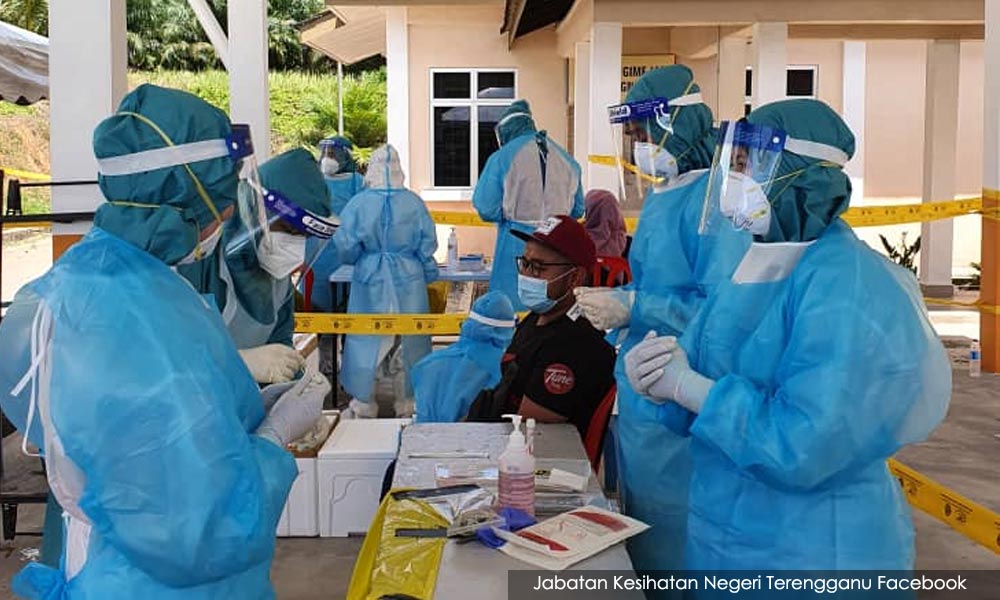
Knowing that hundreds of thousands have died from Covid-19, and many more will until the vaccines lead to herd immunity, Christmas may not be as merry and new year that happy. Nonetheless, I will reconcile this year's deficiencies with seeing a glass half full.
Out of this chaotic infodemic year of "illusory truths", I see some "good". One is Zoom technology. Families and communities are re-engaging, transcending distance and time zones.
Secondly, working from home works for the yuppies. It has cast out a need to dress up, cut commuting times, reduced road traffic and grounded planes. Global carbon emissions have fallen, the air is cleaner and waterways clearer.
The pandemic has shown that cooperative collectivism trumps selfish individualism. Deference to absolute civil liberties and individual sovereignty can be deadly. This is evident in the record number of Covid-related deaths from the politicized defiance of the anti-maskers and anti-social distancers in the US and parts of Europe.
The pandemic shutdowns have exposed Malaysia’s woefully broken online education infrastructure, which has deprived students of their education for much of this year, and underscored the disparity in e-learning readiness between the public and private schools.
The year 2020 will leave an enduring legacy of changed perspectives - the way we work, live and relate to others. The lockdowns and many MCOs have shown us what actually matters and what isn’t.
The inner conflict between what we need, nay want, prevails in many cultures that are afflicted by a “sickness of affluence” that Australian academics, Clive Hamilton and Richard Denniss, described in their book “Affluenza” (2005). They posed: “When the economy has been doing so well, why are we not becoming happier?”
Indeed, too much is never enough. Hence, our hedonistic indulgence and excessive consumption when more than two-thirds of the world’s poor barely survive on less than US$1 (RM4.05) a day.
I was thus conflicted when I cut into a A$30 (RM92) piece of medium-well steak in a bistro last week knowing the child I am sponsoring - and his family - may not have a four-square meal that day. Sadly, such is life lived amidst the structural inequalities that persist in a globalised economy.
Meanwhile, as we usher in 2021 even as the inconveniences of Covid-19 linger, I wonder how I will be able to maintain, if not, to elevate my working-class living standards in a kiasu consumerist culture where each unthinkingly fears losing out to the other.
Karl Marx was not wrong. He theorised that the working class was destined to become impoverished in a capitalist system that emphasised on accumulating wealth rather than eradicating poverty.
Global economic models, mainly of the IMF kind, have been criticised for marginalising rather than helping the poorer countries move ahead. Hence, in its place have emerged alternative economic models that look at growth that “benefits the people and planet”.
Or, as the World Economic Forum in Davos calls it, the “great reset” in rebuilding the world economy post-Covid-19. The concept, however, has sparked alarmist outcries from conspiracy theorists and stirred widespread skepticism - because the agenda is seen to be driven by a cabal of business and political elites.
I am not an economist. As a journalist, I leave it to you to weigh the rationale of the great reset, and dissect the arguments of the conspiracy theorists.
I can, however, better understand the spiritual take that happiness and wellbeing are more independent of material wealth than is generally assumed. As Scripture poses: what will it profit a man to gain the whole world and to lose his soul?
May the new year inspire us to make time for others, live on less and give out more, as we gradually return to a semblance of post-Covid normalcy.
ERIC LOO is the founding editor of the academic journal Asia Pacific Media Educator.
The views expressed here are those of the author/contributor and do not necessarily represent the views of Malaysiakini.




Report this comment
Are you sure you want to delete this comment?
This action cannot be undone.