



COMMENT | 2021 has been a very bad year
COMMENT | It is hard to imagine how a year could fit in so many bad events: Covid-19, major floods, economic recession, national emergency, coup d’etat, mental health crisis…
Granted, some of these unprecedented events were faced by most countries around the world, but in Malaysia, these events were made worse by the (in)actions of those in charge of the country’s most important decisions.
The main purpose of this article is memory. By recounting these horrible events, we take lessons as a people so that we remember these mistakes and swear never to forget them.
(1) Two governments that could not survive a crisis
Muhyiddin Yassin’s government came in and out through unceremonious coups d’etat. Cobbled up into a group of rivals and opportunists, Muhyiddin’s government proved to be unequipped for the triple threat of Covid-19, recession and political struggle.
Under his tenure, the country faced many unenviable firsts. Per capita infection and death rates were consistently the highest in Southeast Asia...
COMMENT | It is hard to imagine how a year could fit in so many bad events: Covid-19, major floods, economic recession, national emergency, coup d’etat, mental health crisis…
Granted, some of these unprecedented events were faced by most countries around the world, but in Malaysia, these events were made worse by the (in)actions of those in charge of the country’s most important decisions.
The main purpose of this article is memory. By recounting these horrible events, we take lessons as a people so that we remember these mistakes and swear never to forget them.
(1) Two governments that could not survive a crisis
Muhyiddin Yassin’s government came in and out through unceremonious coups d’etat. Cobbled up into a group of rivals and opportunists, Muhyiddin’s government proved to be unequipped for the triple threat of Covid-19, recession and political struggle.
Under his tenure, the country faced many unenviable firsts. Per capita infection and death rates were consistently the highest in Southeast Asia. Bloomberg and The Economist ranked Malaysia last on the table for Covid-19 recovery and resilience, and pictures and videos of overstretched hospitals showed that our healthcare system has become a warzone.
Hundreds of thousands of businesses were put out of business, unemployment was at a 27-year high, and B40 expanded to B50 for the very first time. White flags filled the Malaysian sky; emergency mental health calls and suicide rates rose to historic highs.
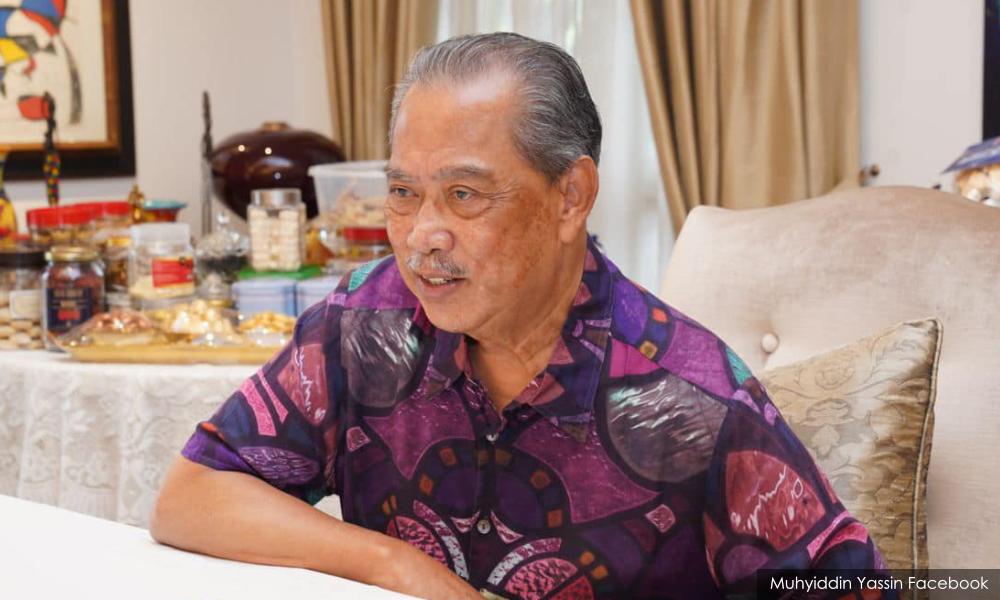
The reaction by Muhyiddin’s government was equally unprecedented. The proclamation of national emergency suspended Parliament for almost eight months on purely political grounds, with its disorderly and deceptive revocation triggering the anger of the monarch, nearly drawing in a constitutional crisis.
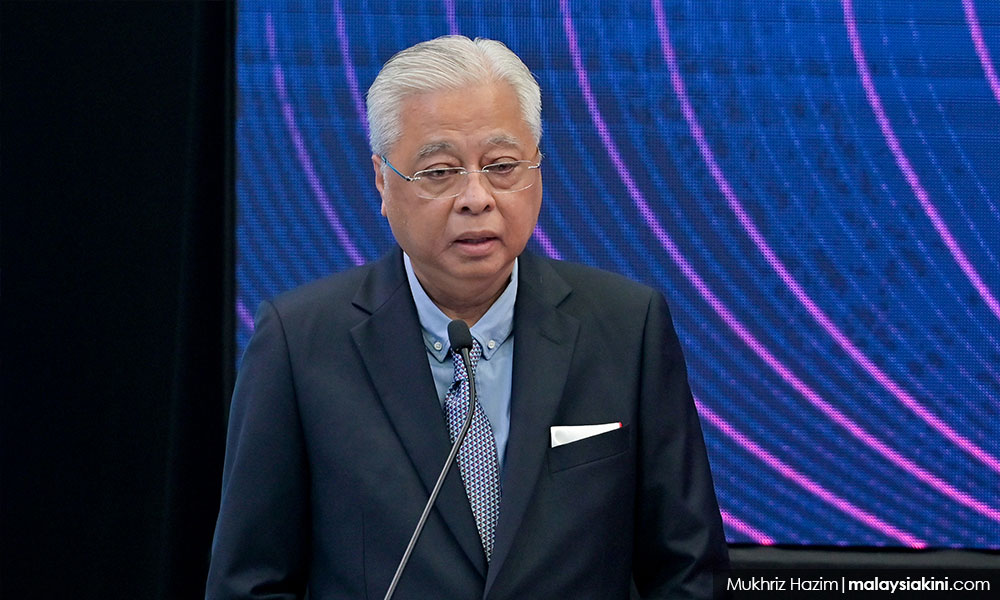
In comparison, Ismail Sabri Yaakob’s government was luckier. A successful vaccination drive suppressed Covid-19 infection rates dramatically, the largest Budget ever was passed with bipartisan support, and a continued political crisis was averted with a more receptive opposition to a reform-based memorandum of understanding (MOU). While Muhyiddin was insecure, Ismail Sabri was a compromiser.
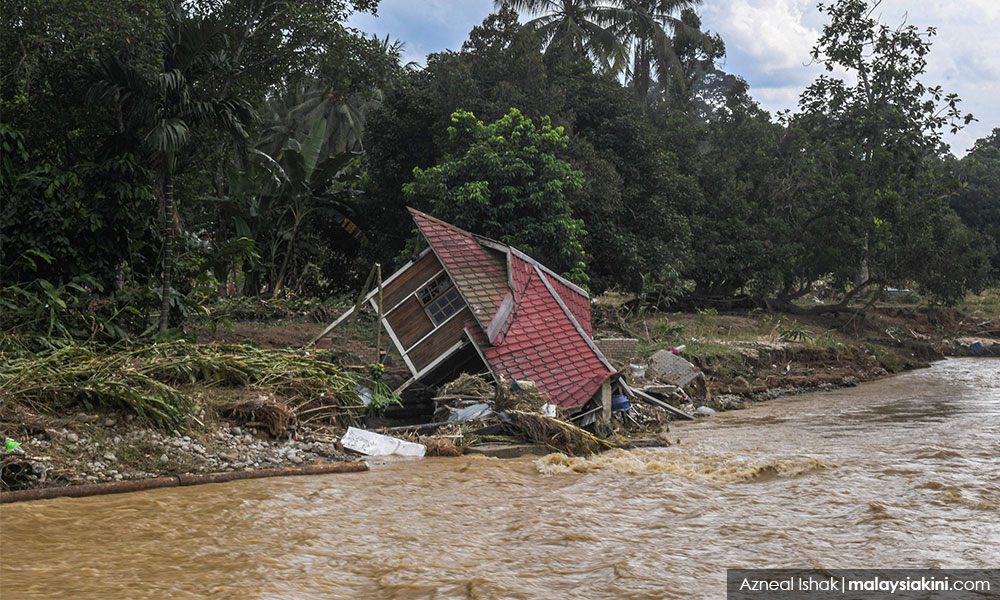
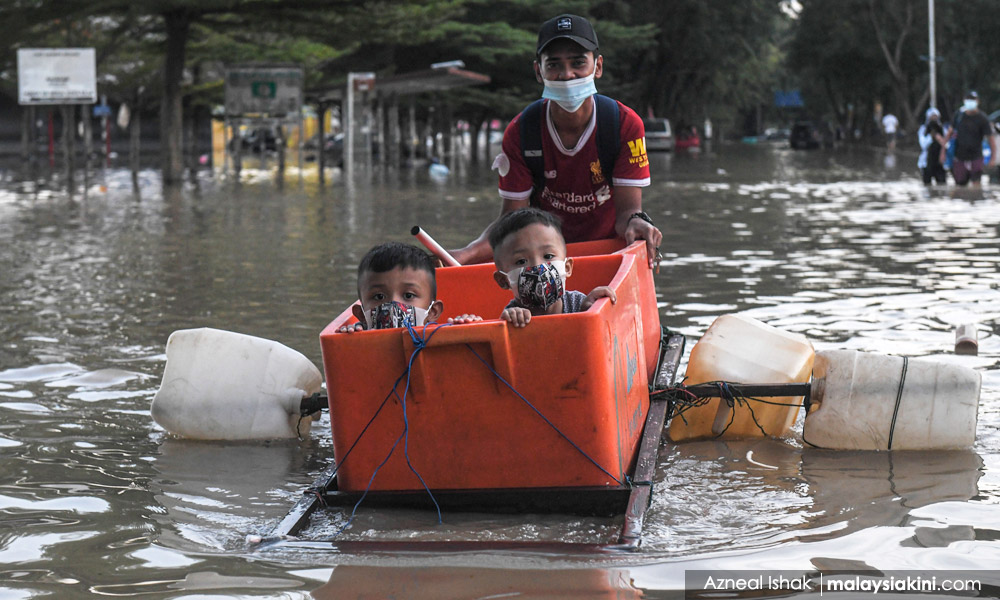
But Ismail Sabri’s government got ahead of itself when it declared a 90 percent success rate of its first 100-day performance. The return of Covid-19 in the form of Omicron unleashed a new round of uncertainty, massive inflation for basic food became unbearable and a dreadful response to the deadly floods angered Malaysians like never before.
The reality remains that most ministers in Ismail Sabri’s government were similar to Muhyiddin’s, and each time a crisis hits, we are reminded of how underequipped our government is.
2021 was the year we started asking these questions about our government: Where are they? What are they doing? Why are they so slow? When are they going to get their act together? Who are they responsible for?
(2) Political parties racing to the bottom
Surprisingly, when the country is faced with intense hardship, the government backdrop is filled with daggers among politicians in one of the worst power struggles in recent memory.
The most unbeneficial civil war: The conflict between Umno and Bersatu centres on Umno’s singular desire of eliminating Bersatu completely, so that Umno can retain its old status as the default Malay party.
In government, Umno and Bersatu ministers were often uncooperative, resulting in sabotage and delays that were costly in times of crisis. In front of the media, the war of words between Umno and Bersatu calling each other traitors and corruptors have almost zero benefits for the people as both parties have lost their moral high ground for a long time.
Umno thought it could use state elections to exterminate Bersatu from the political scene, but the surprising rise of Bersatu in the Malacca state election shows that 2021 is merely the start of this painful power struggle.
The most uninspiring gainer: Of the 70 years in the political arena, PAS would regard 2021 as its best year yet. Not only was it a permanent member of both governments (with a high number of ministerial positions), PAS has also been the most sought after party in elections.
This renewed sense of self-importance has allowed PAS to make quick gains on the Islamist front against alcohol, gambling and liberal attire. After bouts of failure and unsuccessful soul-searching, in 2021, PAS has finally gained the status it has longed for: Kingmaker.
The most disappointing loser: The Malacca and Sarawak state elections towards the final quarter of the year have unveiled a truth long suspected by former and current Harapan supporters: Harapan has lost all its shine.
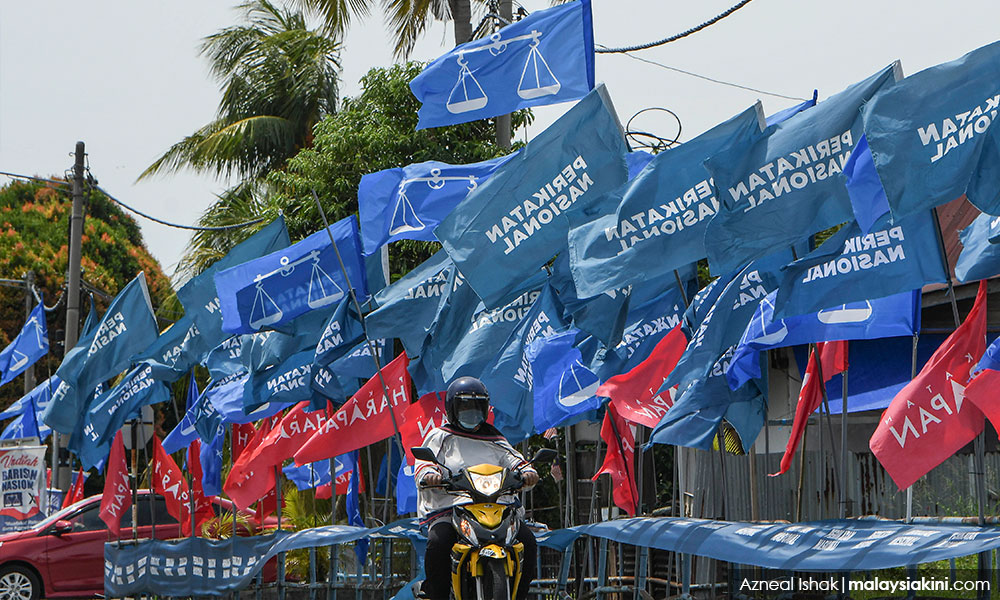
No longer able to speak on issues of race, corruption, party-hopping as unique propositions and losing easy targets like 1MDB and Najib Abdul Razak, while burdened by its underwhelming 22-month tenure, Pakatan Harapan has dropped from being a government to a major opposition, and now to a mere third force.
The irony of a reformist coalition fearful of internal change could not be escaped. In 2021, progressive and reform-minded supporters have lost an ally they could count on. The sun – and much hope – has set for Harapan.
Bitter lessons for the people
A year filled with lows come with its lessons too. There are three unique lessons that 2021 has taught us.
One, Malaysia is deeply unequal and mired with double standards. Through the SOP violation, quarantine exceptions, selective punishments and negative effects distribution, Malaysia has proven to be a land where the rich and powerful get away with most things.
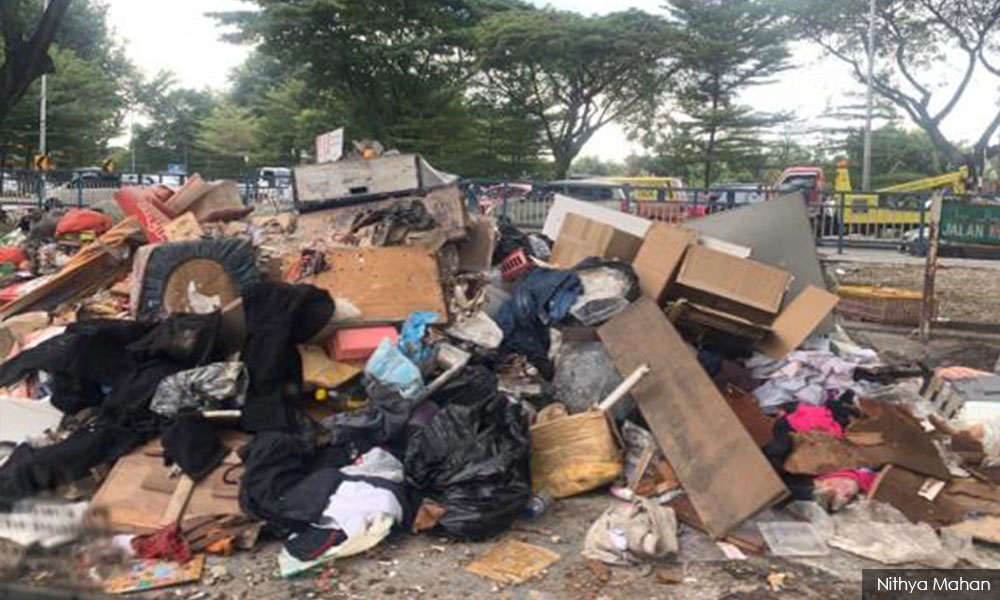
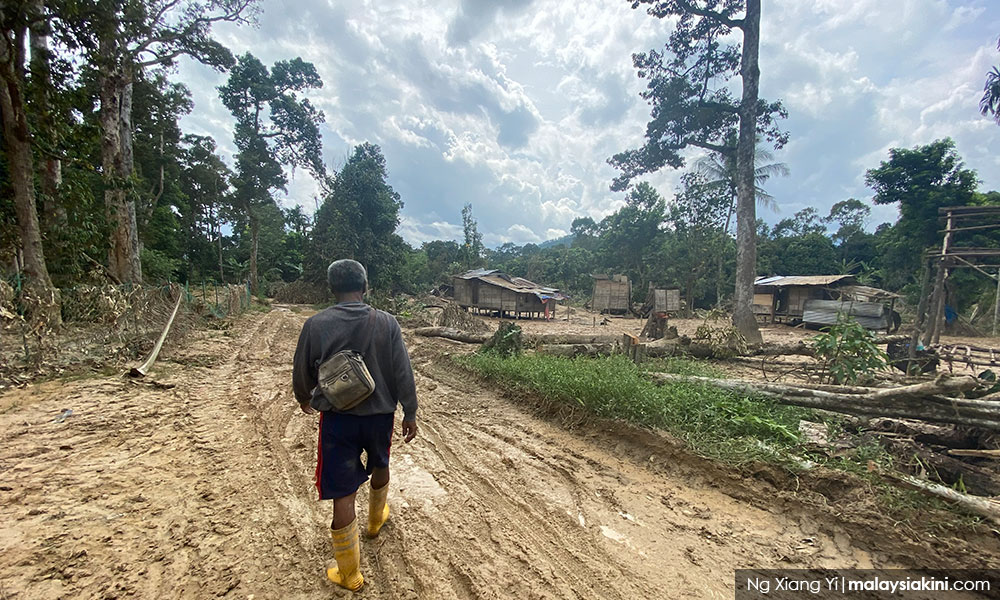
The poor, however, could not escape heavy fines, overstretched hospitals, police violence, floods and hunger. As long as we do not address the deep-rooted inequality and deep-seated unfairness, Malaysia will continue to be divided into two unhappy worlds.
Two, politicians are mostly selfish. Compared to the previous years, 2021’s governments have enabled a culture of extraction where politicians fight to be given higher positions in exchange for loyalty and silence.
The spoils of war in the form of ministership, special advisership, GLC chairpersonship and agency chairpersonship were distributed widely. Politicians would readily ignore the people’s mandate and jump parties to secure these positions.
We have learned that in most cases, politicians’ self-interest takes precedence, even when the people are sick, hungry, drowning or dying.
Three, you could only count on each other in times of crisis. As much as our country is decided by the political elites, the most important stories on the ground must also be remembered.
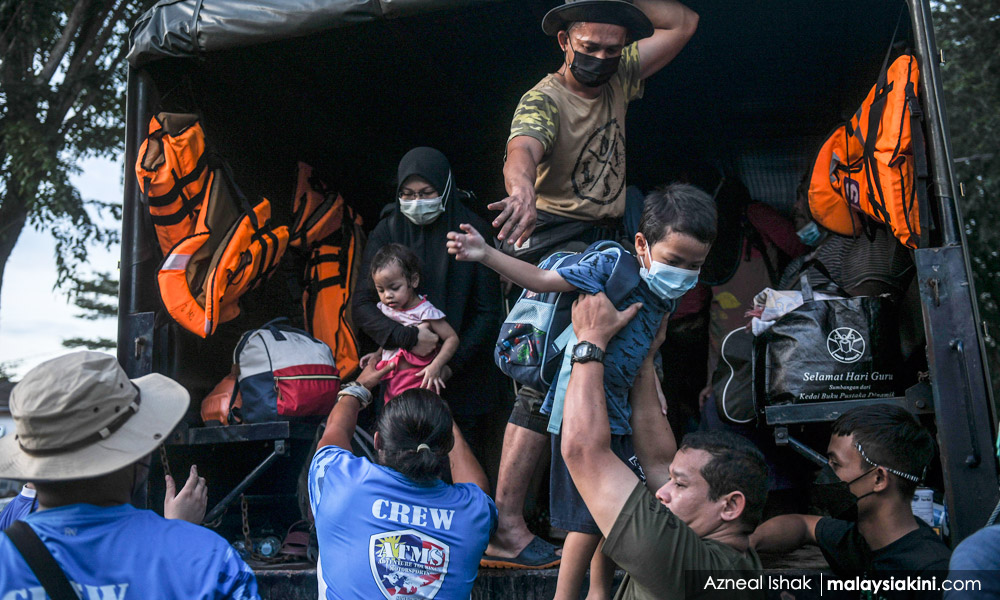
When the government was slow to act on the Covid-19 outbreak, on the economic and flood crises, we were reminded of the endless acts of kindness by strangers around us.
Crowdfunding for an unfair fine, creating community food banks, building donation networks, anonymous donors, migrants helping Malaysians out of the flood, cheering on for our tireless frontliners from our balcony… 2021 has also been the year we have grown closer as a people.
Take heart, 2022 needs us.
JAMES CHAI is a political analyst. He also blogs at www.jameschai.com.my and he can be reached at jameschai.mpuk@gmail.com.
The views expressed here are those of the author/contributor and do not necessarily represent the views of Malaysiakini.
/file/publisher-c1a3f893382d2b2f8a9aa22a654d9c97/2021/12/6fc0720f8fed27f6cb55c92e3b5c93d7.jpg)



Report this comment
Are you sure you want to delete this comment?
This action cannot be undone.