


/file/publisher-c1a3f893382d2b2f8a9aa22a654d9c97/2023/02/578b9a245d3e96a1203297f5a7fe24a8.jpg)

LETTER | Malaysia needs Food Security Act that puts rakyat first
LETTER | When we talk about food security, we usually picture empty shelves or price hikes on onions but the truth is, it’s so much bigger than that.
It's about whether your family can afford a proper meal next month, whether a farmer in Kedah can survive another unpredictable monsoon, and whether our country can stand on its own two feet when the global market goes haywire.
So, when the government said they’re drafting a National Food Security Act, it’s a big deal.
But here’s the catch. If this law ends up being just another thick document filled with vague goals and good intentions, we’ll have wasted a massive opportunity.
We’ve already got policies on paper, the National Agrofood Policy, and more recently the 2030 Food Security Policy.
They sound nice but let’s be honest. We’re still dangerously reliant on imports. We still panic when the ringgit dips and we still have the same old conversations about rice without ever really fixing the system.
This new Act needs teeth. It needs to be the law that actually changes how we think about food from top to bottom.
Check the details
Right now, we like to look at the bright side. The Malaysia Food Security Index improved recently. Great, but dig deeper, and you’ll see the cracks: our availability of food actually dropped, and our nutrition score is sitting at a disappointing 50.4.
That’s the thing: having loads of food in the market doesn’t mean we're secure and being full doesn't mean we're healthy. We need a law that recognises that difference.
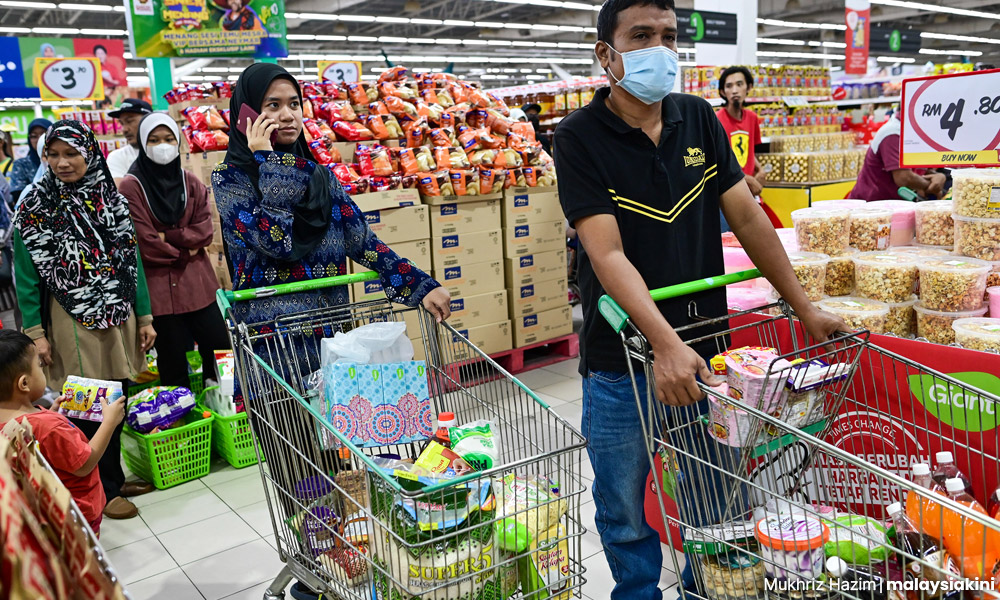
Here’s what we need it to do:
Look beyond just rice. Yes, rice is king but we can’t survive on rice alone. The Act has to cover vegetables, fish, chicken, eggs, the stuff that actually makes up a real meal. We need strategic targets for all of these, not just the grains.
Prepare for the worst, not just react to it. Floods hit, diseases wipe out livestock, and global tensions cut off supply lines.
We can't just pray it doesn't happen. We need a real, legally defined emergency playbook. Who does what, how do we release reserves and when do we trigger the plan.
We shouldn't be waiting for panic-buying to happen before we start moving.
Affordability is the real test. It doesn’t matter if there’s food in the country if a single mother in Sabah or an elderly couple in Kuala Lumpur can't afford to buy it.
Subsidies have to go further, not just keeping prices low for the sake of it, but making sure nutritious food is actually within reach for those who need it most.
Our kids, the elderly, and lower-income families cannot be an afterthought.
Put farmers first, for once. We keep telling our kids to go into tech or finance but who’s going to grow our food?
If we want young people to see agriculture as a future, we need to make it viable. That means fair prices, affordable fertiliser, protection against crop failure, and secure land rights. A farmer shouldn't feel like a gambler every planting season.
We also need to wake up to the fact that our farmland is disappearing.
We can’t keep paving over our best soil for malls and housing projects and then wonder why we have to import so much.
Productive land is strategic; it’s as important as our water supply or our oil and gas.
Give this law some real accountability. We need an annual report that goes to Parliament, not just a press release that tells us the hard truths.
How much are we importing? What are the real prices? Are our reserves actually enough? This has to be checked, debated, and scrutinised. We can't have the government marking its own homework.
At the end of the day, this Act is a chance to stop being reactive. It's an opportunity to stop scrambling for solutions every time there's a crisis.
The question isn't just, "Can we afford to import enough food today?"
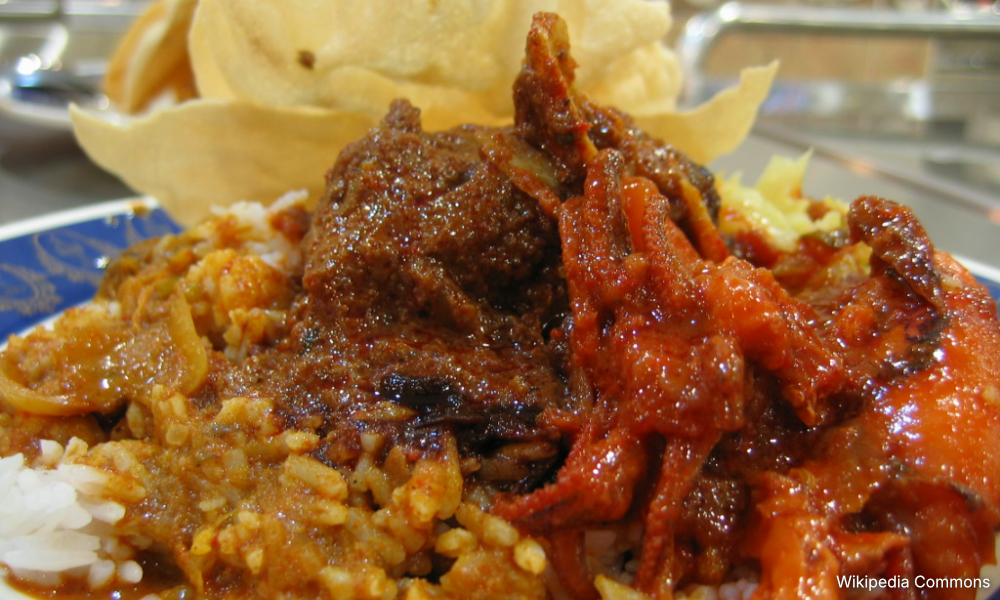
It should be, "Can we feed our own people in 10, 20, or 50 years, no matter what happens in the rest of the world?"
That’s the law we need. One that looks out for our farmers, families, and our future. Not because it sounds good on paper, but because it makes sure nobody in Malaysia goes to bed hungry.
The views expressed here are those of the author/contributor and do not necessarily represent the views of Malaysiakini.
/file/publisher-c1a3f893382d2b2f8a9aa22a654d9c97/2025/06/1df3071b4ede038eb01e4f12f5526e29.jpg)
/file/1143/331cc88bc1b77c514182f12db48799be.jpeg)
/file/publisher-c1a3f893382d2b2f8a9aa22a654d9c97/2026/01/53ae829de4d4b4455349d7ba25860291.jpg)


Report this comment
Are you sure you want to delete this comment?
This action cannot be undone.