



Gov't, opposition MPs not spared in country's largest data breach
On Oct 19, one of the country's largest data breach came to light following an attempt to sell the personal data of millions of Malaysians on the Lowyat forum.
The trove of stolen data, first highlighted by technology portal Lowyat.net, was wide-ranging and even those who walked the corridors of power were not spared.
Malaysiakini spoke to several MPs whose details were among the stolen data on what they thought about being victims of data theft.
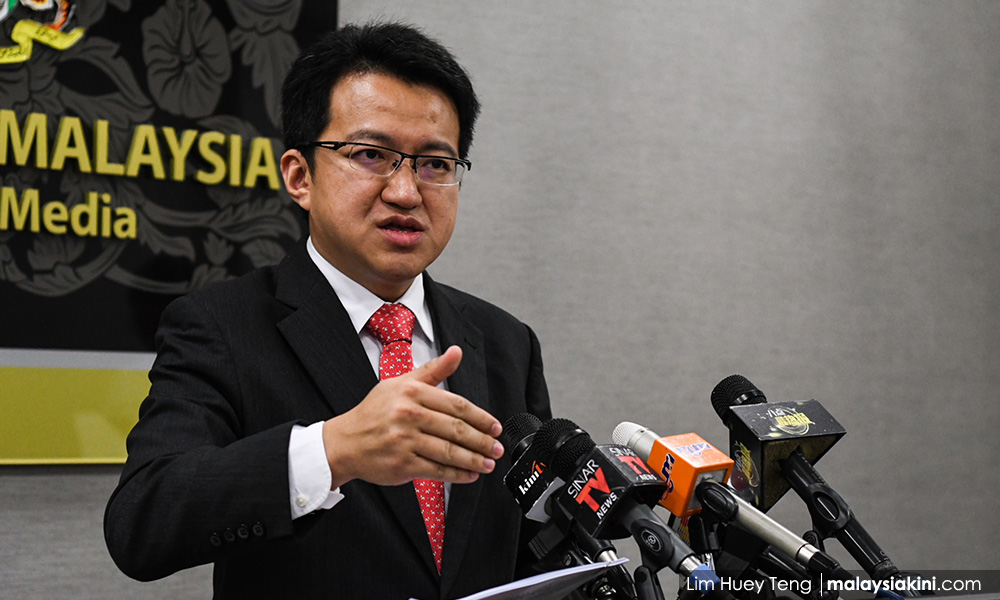
One such person was DAP's Kluang MP Liew Chin Tong, who believes that more should be done to inform the victims...
On Oct 19, one of the country's largest data breach came to light following an attempt to sell the personal data of millions of Malaysians on the Lowyat forum.
The trove of stolen data, first highlighted by technology portal Lowyat.net, was wide-ranging and even those who walked the corridors of power were not spared.
Malaysiakini spoke to several MPs whose details were among the stolen data on what they thought about being victims of data theft.
One such person was DAP's Kluang MP Liew Chin Tong, who believes that more should be done to inform the victims.
"As a politician, you have to deal with all sorts of threats. Concerned (about security threats) or not, that is a separate matter but this should not have happened at all.
"You cannot pretend that nothing has happened. As a layperson, I have no way to find out whether my information was leaked," Liew told Malaysiakini.
Tech blogger Keith Rozario had set up the portal sayakenahack.com to help Malaysians to check if their personal information were found among the stolen data but the site was blocked by the Malaysian Communications and Multimedia Commission (MCMC) shortly after.
Liew said he had tried to find out if he was a victim but to no avail.
"I was trying to check, but I couldn't get it so I did not know (that my information was leaked)."
Liew added that the Data Privacy Protection Department (JPDP) also needed to be more proactive.
Another elected representative whose information was found in the trove of stolen data was Umno's Kuala Selangor MP Irmohizam Ibrahim.
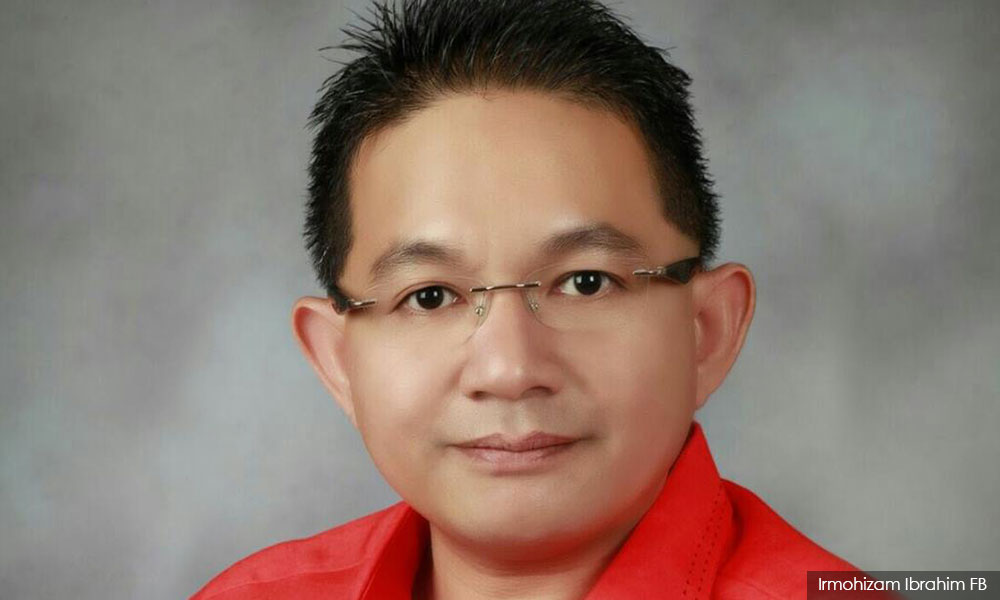
"If this can happen to me, it can happen to other people," Irmohizam (photo) said.
He also said that MCMC should investigate the breach thoroughly and take severe measures to prevent a repeat of the incident.
Irmohizam, who was previously unaware that his personal data had been leaked, said the other victims too should be informed, but only after the MCMC concluded its investigation.
"We do not want people to panic first," he said.
'Close the loopholes'
On the list was also PSM's Sungai Siput MP Dr Michael Jeyakumar Devaraj, who stressed that the government needed to strengthen the safeguards in financial transactions to ensure that leaked data cannot be abused.
"The government should close the loopholes where people can get information, make purchases or take loans based on such information.
"It is more important for the government to make sure there are security provisions that people with that kind of information about me cannot use it to profit and then leave me holding the bill.
"So if someone knows my name, my phone number, etc, but he cannot do anything, then he cannot harm me," Jeyakumar told Malaysiakini.
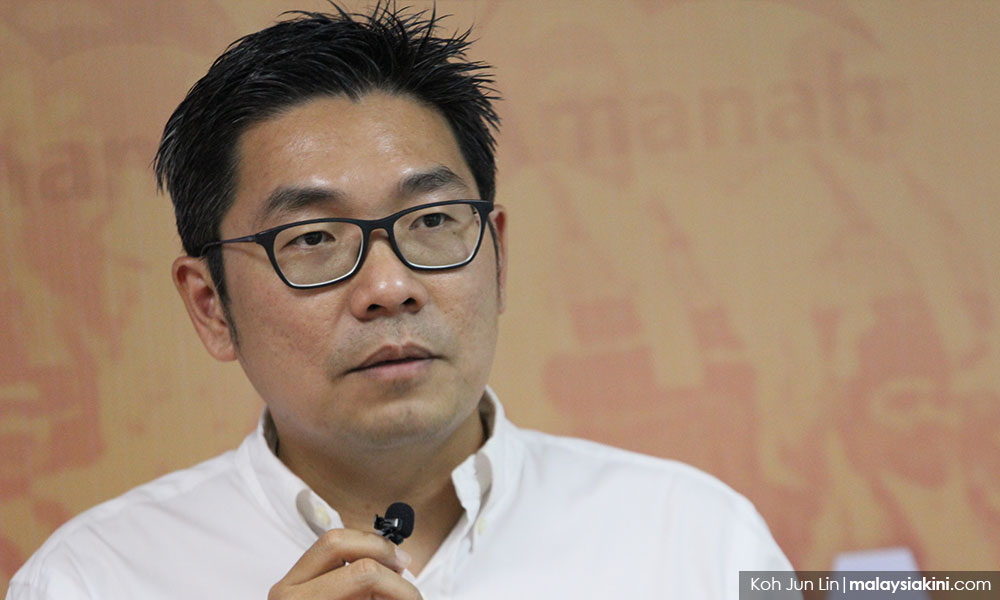
PKR's Bayan Baru MP Sim Tze Tzin (photo) was surprised when informed that his information was part of the leaked data.
"I am still in shock that my data is being exposed.
"I feel that I am being exposed to possible security threats (and) I am very angry because some people tried to make money out of our data and that is very irresponsible.
"I urge the police to really clamp down on this. They have done their investigation and they need to take action," Sim said.
The Personal Data Protection Act 2010 (PDPA) should be enforced to send a strong signal that such leaks will not be tolerated, he added.
The stolen data not only included information from telecommunications companies (telcos) about their customers, but also those from a jobs portal, a foreign exchange trading platform and medical associations. The nature of the data was explained in this KiniGuide.
The diverse data may have been compiled from multiple cybersecurity breaches but an analysis by Malaysiakini found that the theft of the telco data may have been linked to the MCMC's phone blocking system.
Inspector-general of police Mohamad Fuzi Harun reportedly said the probe is still ongoing and no arrests have been made yet.
No personal data is published in this report. Section 45 of the Personal Data Protection Act 2010 provides for an exemption for data processed for journalistic and public interest purposes.


