



Rejected for exec job at TNB because BMI 'too high', claims woman
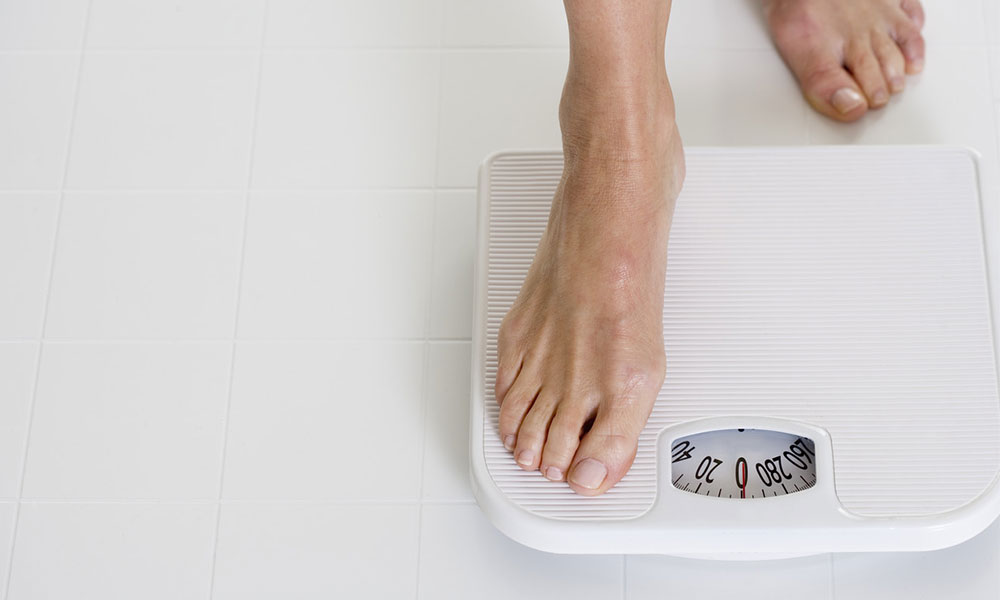
A woman has accused Tenaga Nasional Bhd of rescinding its employment offer to her because her body mass index (BMI) level is higher than 30.
BMI is a measure of height and weight. According to the World Health Organization, those with a BMI above 30 are “generally considered obese...
A woman has accused Tenaga Nasional Bhd of rescinding its employment offer to her because her body mass index (BMI) level is higher than 30.
BMI is a measure of height and weight. According to the World Health Organization, those with a BMI above 30 are “generally considered obese.”
The applicant, 27, told Malaysiakini that a TNB human resources executive contacted her via WhatsApp to inform her she was selected for the executive position after a panel interview last month.
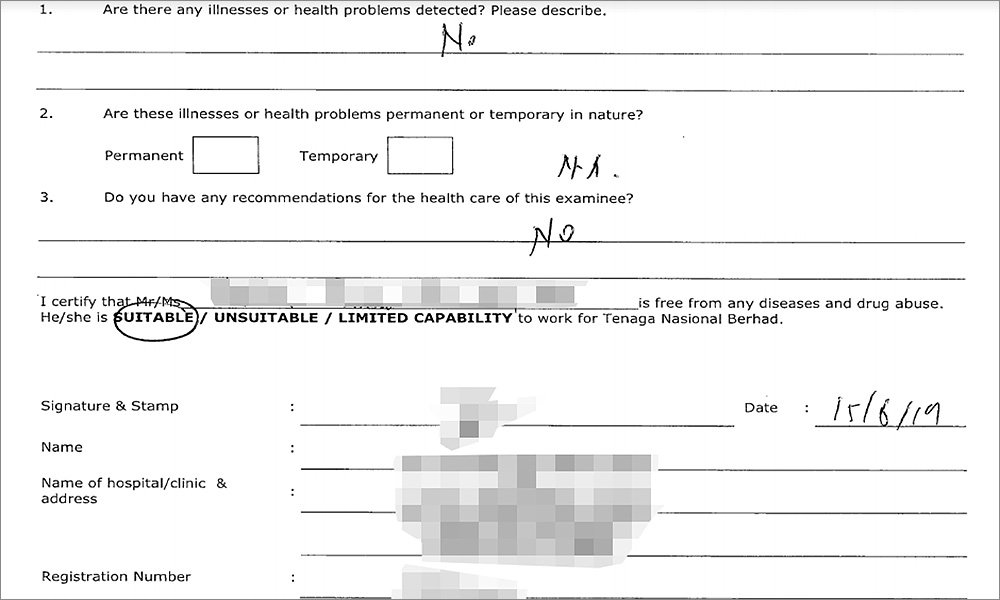
However, the offer was cancelled after a required medical check-up found her BMI to be 38. This is despite the same medical report deeming her “suitable” for the position.
When contacted, TNB denied that it rejected the applicant because of BMI, adding that it had previously hired other individuals with high BMI.
Read more: TNB denies discrimination, says BMI wasn’t reason for job rejection
“There is no nexus between my body weight and my work performance.
“It doesn’t matter what size a person is and it shouldn’t matter. No one should go through this.” said the woman, who declined to be identified for fear of stigma.
The applicant said she was not told of the BMI requirement during the selection process, but was later informed that another candidate was also rejected because of his BMI level.
Upon advice from the human resources executive, she wrote a letter to appeal the decision and requested to be provided with a “probationary period” or “conditional offer” to normalise her BMI or lose weight, but TNB did not respond.
Instead of penalising heavier candidates, she said companies should amend their contracts or insurance policies accordingly to grant everyone the opportunity to compete on equal footing.
"Companies should focus on the merits and professional work qualities of a candidate without subjecting them to any form of discrimination be it race, gender, sexual orientation or even size.
“Being fat is not a liability and has zero co-relation with my work performance,” she added.
Unlikely to succeed in legal action
This is not the first example of employment discrimination based on weight.
In 2017, Malaysia Airlines sacked five senior flight attendants after they gained weight. One of the men was 175cm tall and weighed 80kg at the time of sacking.
Sharing his views on the issue, Donovan Cheah (photo), a lawyer specialising in employment law, said while Article 8 of the Federal Constitution bars discrimination, in the context of the workplace, this was only limited to “religion, race, descent, place of birth and gender.”

“Weight is not a protected trait under the Federal Constitution.
“It is therefore unlikely that the employee can succeed in legal action against the employer for weight discrimination,” he told Malaysiakini.
Cheah said the proposed amendments to the Employment Act 1955 seek to prohibit employers from discriminating against job seekers on the grounds of gender, religion, race, disability, language, marital status and pregnancy.
“However, any distinction, exclusion or preference in respect of a particular job based on the inherent requirements thereof shall not be deemed to be discrimination.
“That being said, even if the amendments are passed, it is unlikely that weight will fall under the protected traits unless it can be linked to a 'disability',” he added.
Obesity is conventionally framed in the context of health, with the American Medical Association in 2013 defining it as a disease.
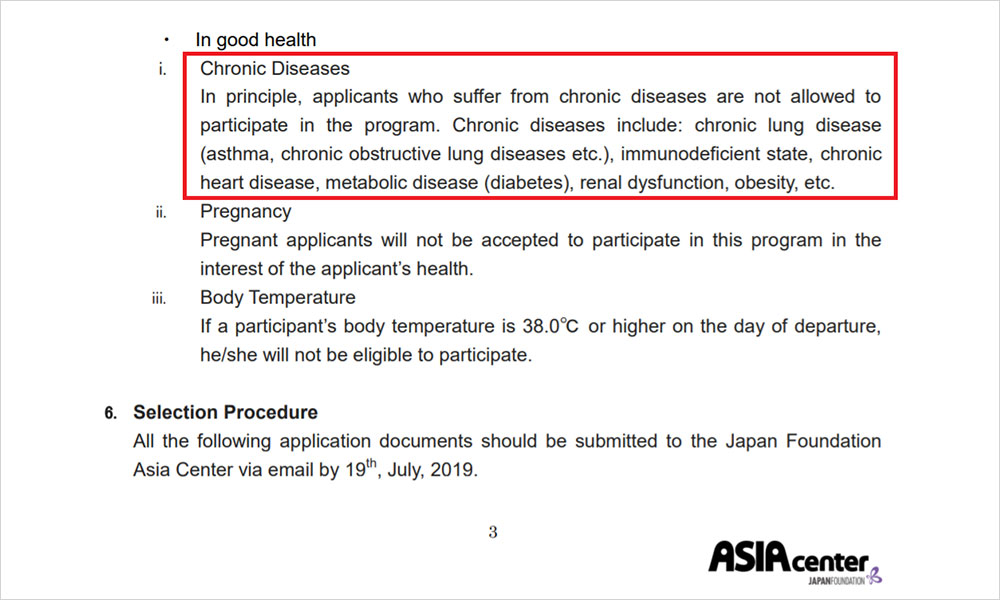
For example, an advertisement for an arts fellowship by the Japan Foundation Kuala Lumpur recently courted criticism for stating that “in principle”, those with “chronic diseases”, including obesity, would not be accepted.
Japan Foundation Kuala Lumpur declined to comment
However, it is learnt that the restrictions only extend to chronically ill and obese applicants who are on medication because Japan has strict rules on carrying medication into the country and the foundation cannot bear any medical costs required in Japan.
‘Fatphobia plagues society’
The term obese “pathologises and medicalises fatness”, said writer and researcher Nadia Mohd Rasidi, who recently started a "fat positivity network" to support those discriminated for their weight.
According to her, overweight people are shamed and discriminated against because of “fatphobia” within society.
The use of BMI as a measure is also problematic, she said, as it was never intended to measure individual fitness but rather population health.
“Obese turns a neutral descriptor, 'fat', into something scary and dangerous that must be eradicated. But to eradicate obesity is to eradicate fat people.
“People are fat for a multitude of reasons – health, genes, environment, personal choices – no combination of these things should be a license for anyone else to say, 'I get to treat you badly and shame you because you don't live up to my standards'," she added.

Nadia said it is “unsurprising” that employers are biased against fat applicants because society is conditioned to equate fatness with diminished capabilities.
“Fat people, fat women in particular, have to work harder than able-bodied straight-size people to prove that we are smart and strong enough to be functionally exploited under capitalism and that our bodies won't get in the way of us being producing valuable labour,” she added.
‘Normal weight’ applicants preferred
A survey of 2,000 human resources professionals in the UK by magazine Personnel Today in 2005 found that an astounding 93 percent would hire a “normal weight” applicant over an obese applicant who had the same capabilities.
About a third of those professionals stated that rejecting an obese applicant is justified due to health reasons, while 11 percent believed obesity is grounds for termination.
Things have not improved since then.
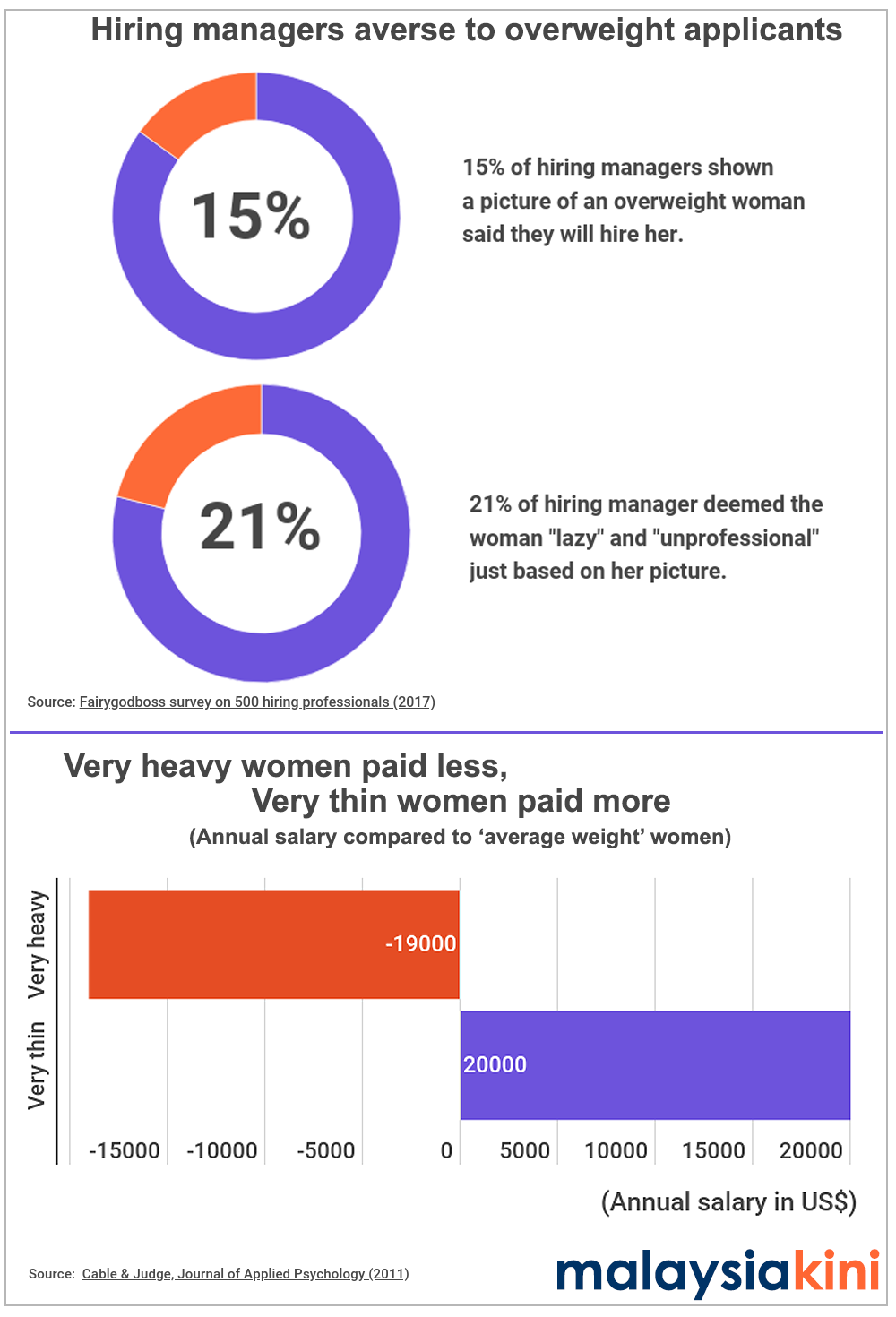
A 2017 survey by US job search website Fairygodboss on 500 hiring managers found that only 15.6 percent of managers shown a picture of an overweight woman said they would hire her.
One in five of them characterised the applicant as “lazy” and “unprofessional” just based on her picture.
Nadia said people brush off weight-based discrimination because the misconception is that people choose to be obese, discounting biological, psychological and systemic issues like the availability of affordable nutritious low-calorie food and functional and safe public spaces for exercise.
“It turns a systemic problem into an individual one and people are left feeling like failures,” she added.





Are you sure you want to delete this comment?
This action cannot be undone.