



IPIC settlement: Although RM40b at stake, Putrajaya sent ill-prepared facilitator
NAJIB TRIAL | In 2016, Malaysians learnt that 1MDB and Abu Dhabi's International Petroleum Investment Company (IPIC), which had initially come to the aid of the debt-ridden Malaysian fund, were in dispute.
The stakes were high. IPIC wanted back the US$1 billion it had extended to 1MDB as assistance when the Malaysian company could not repay a US$975 million loan by Deutsche Bank...
NAJIB TRIAL | In 2016, Malaysians learned that 1MDB and Abu Dhabi's International Petroleum Investment Company (IPIC), which had initially come to the aid of the debt-ridden fund, were in dispute.
The stakes were high. IPIC wanted back the US$1 billion it had extended to 1MDB as assistance when the latter could not repay a US$975 million loan by Deutsche Bank.
IPIC's bailout of 1MDB through a binding term sheet was initiated in May 2015, and by August that year, alarm bells had been set off in Abu Dhabi, with IPIC chairperson Khadem al-Qubaisi and Mohamed Badawy al-Husseiny, CEO of subsidiary Aabar Investments PJS both sacked.
The US Department of Justice, in its civil forfeiture suit, had named Khadem and Mohamed as individuals being in cahoots with businessperson Low Taek Jho in the alleged looting of 1MDB, in what it described as the largest kleptocracy case in the world.
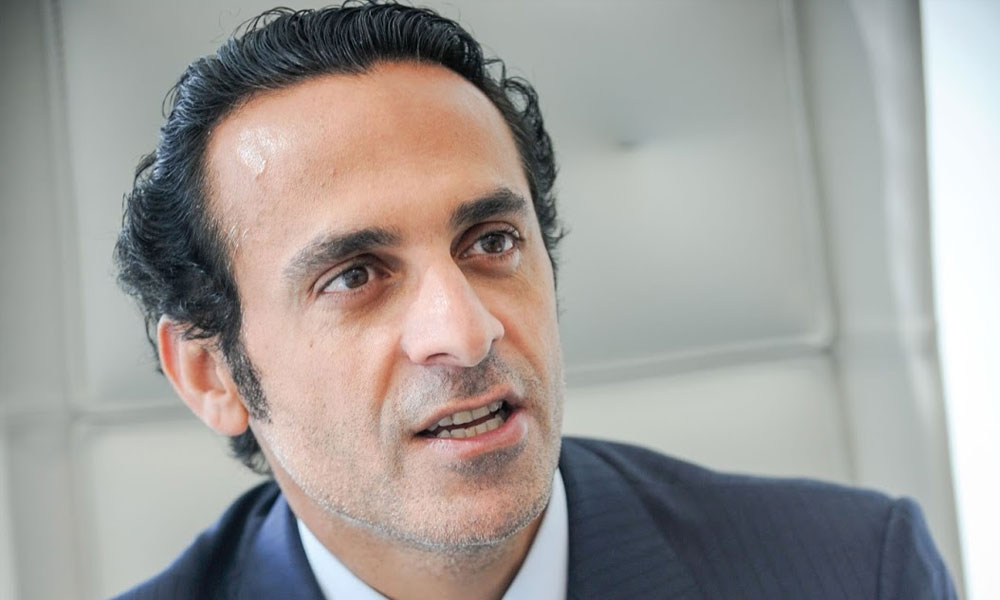
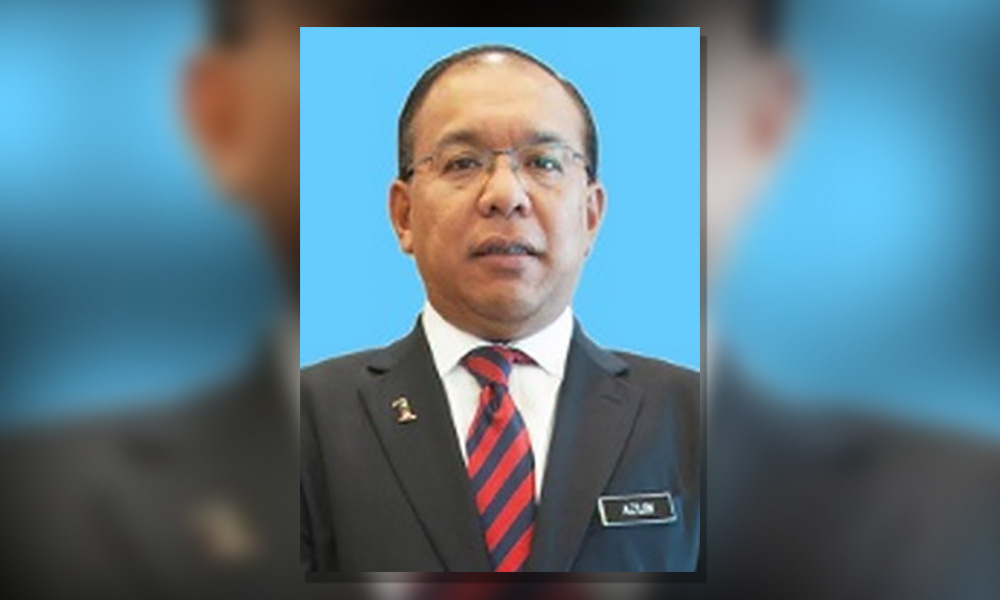
As the missing money in 1MDB became increasingly difficult to fill, Khadem (photo) and Mohamed used IPIC's resources to cover it up.
Earlier this year, Khadem and Mohamed were jailed 15 and 10 years respectively in Abu Dhabi.
Apart from recovering the US$1 billion (US$1.2 billion with interest), IPIC wanted out of anything to do with 1MDB.
This included the US$3.5 billion (RM14.61 billion) in 1MDB bonds which IPIC had initially guaranteed but wanted Putrajaya to assume liability for. With coupon payment (interest), the sum had risen to US$4.8 billion (RM20 billion).
This put IPIC's total claim against 1MDB at more than US$6 billion (RM25 billion).
Concurrently, 1MDB claimed it had paid some US$3.51 billion (RM14.65 billion) to Aabar Investments PJS, which the Abu Dhabi company claimed it never received.
In total, almost RM40 billion was at stake for Malaysia.
According to the DOJ, the money was paid to another company bearing a similar name registered in the British Virgin Islands – Aabar Investments PJS (BVI) – but which had nothing to do with IPIC.
While IPIC officially had nothing to do with Aabar BVI, its rogue officers Khadem and Mohamed were directors on the bogus entity which 1MDB paid the money to.
By April 2017, it was announced that 1MDB had reached a settlement with IPIC, which critics had described as lopsided.
Under the settlement, Putrajaya agreed to pay IPIC the US$1.2 billion and also assume liability for the US$4.8 billion in bonds and coupon payment.
All Malaysia got in return was IPIC agreeing to enter into "good faith" discussion about the US$3.51 billion it had paid to "certain entities," or more specifically Aabar BVI.
To date, IPIC, now absorbed into Abu Dhabi's Mubadala Investment Company, has not conceded a penny to Malaysia.
'I don't understand the full scale'
It has now emerged in Najib Abdul Razak's 1MDB graft trial, that the then-prime minister sent Amhari Effendi Nazaruddin to facilitate the settlement – despite the special officer not having a full grasp of what he was doing.
Testifying on the sixth day of the trial, Amhari, under cross-examination by lead defence counsel Muhammad Shafee Abdullah, told the Kuala Lumpur High Court that he did not understand the IPIC issue.
Shafee: When the issue blew up, you were sent to that part of the world to negotiate with IPIC?
Amhari: To be honest, Yang Arif, I didn't understand the full scale of the IPIC issue and I was only taking instructions.
Shafee: I asked you a simple question. You were sent to deal with IPIC, how much you know is not my question.
Amhari: I was sent to deal with the IPIC issue to get Malaysia and Abu Dhabi out of the international arbitration court.
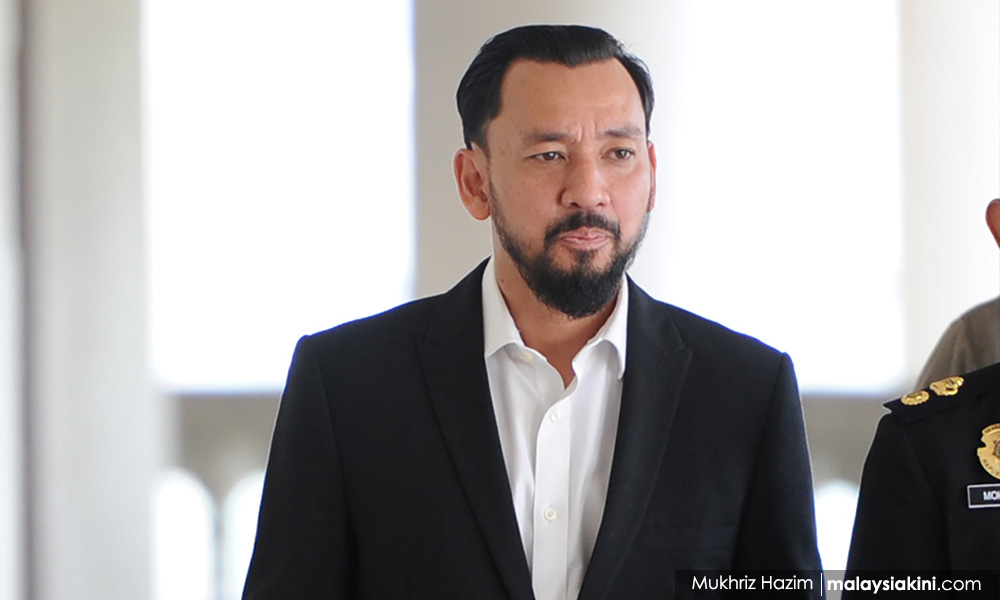
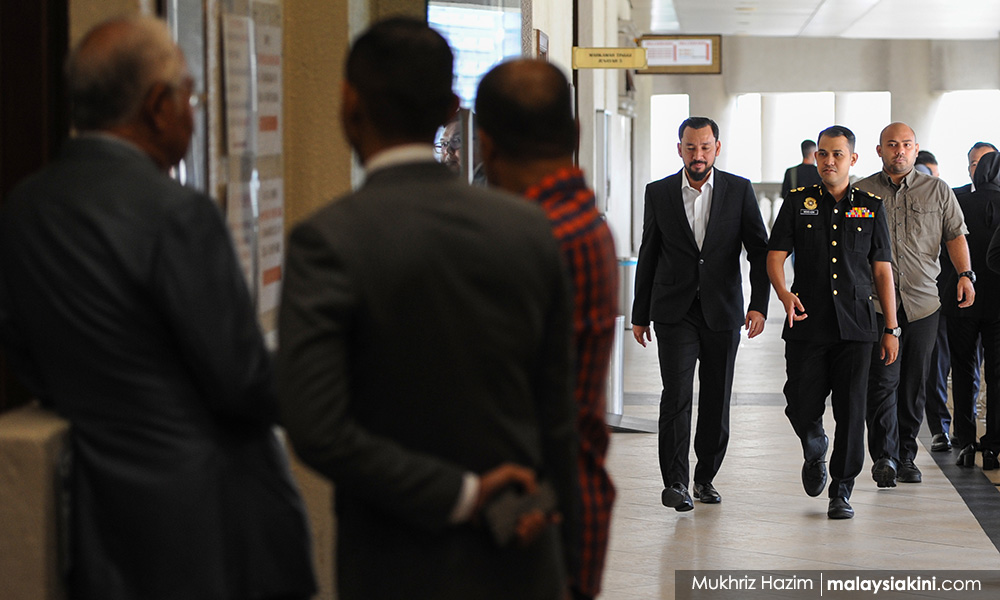
With almost RM40 billion at stake, Amhari (photo) was sent to negotiate alone, which he claimed was on Najib's instructions.
"I asked him (Najib) what are the additional information for me to carry out this mission. Then Najib said please get more information from Low...
"I was contacted by Low and he explained the details of my trip when I should fly and I have to go.
"After briefing me on the gist of it, I went to Najib to confirm that I should be flying during this time – I remember because that time was the budget (announcement), and it was very important for me to get his blessing and he agreed to it," said Amhari.
This fact was not publicly known at the time, but then finance minister II Johari Abdul Ghani, who was in favour of international arbitration, had distanced himself from the settlement.
"I’m not involved in the negotiations. It is being done by the management and board of 1MDB with Prime Minister’s Office officers," he had said.
He later had to deny that he was going against Najib.
Ultimately, the arbitration ended with a consent judgment, but with billions of ringgit that 1MDB had to foot and little to gain, its success remains a big question mark.
Following Najib's defeat in the 2018 general election, the new government is now challenging the settlement with IPIC.
Amhari, in his written witness statement, had also elaborated about his role in the IPIC settlement.
Excerpts from the witness statement
In 2016, I don't remember the month, I was called by Najib to his home at Jalan Langgak Duta at night.
When I arrived, I met Najib on the sofa in the living room. Najib ordered me to meet the Mubadala CEO Khaldoon al-Mubarak in Abu Dhabi, the United Arab Emirates as a facilitator so that Malaysia and Abu Dhabi won't take the issue of IPIC payments to the international court.
This is because, in the near term, Abu Dhabi intends to bring the issue of the binding term sheet between IPIC and 1MDB to the international arbitration court.
Najib explained that if Malaysia goes to the international court for failing to pay the bonds guaranteed by IPIC, it will muddle the bilateral ties of the two countries and there are also political risks to the coming general election, as stories about 1MDB won't disappear and are being talked about across the world.
Najib said I need to go to confirm with Abu Dhabi that both countries agree to settle this problem without going to the international court.
This was a confidential task Najib assigned to me at the time, the issue of 1MDB's debt to IPIC was being hotly discussed...
Soon after the meeting with Najib, when I arrived home, I received a BlackBerry Messenger message from Low telling me I need to go to Abu Dhabi to meet Mubarak, and that Mubarak was expecting someone from Malaysia to contact him.
Low also said he will be emailing me the talking points for my meeting with Mubarak soon.
I was given Mubarak's email address by Low to inform him of Malaysia's intent to discuss the international court case.
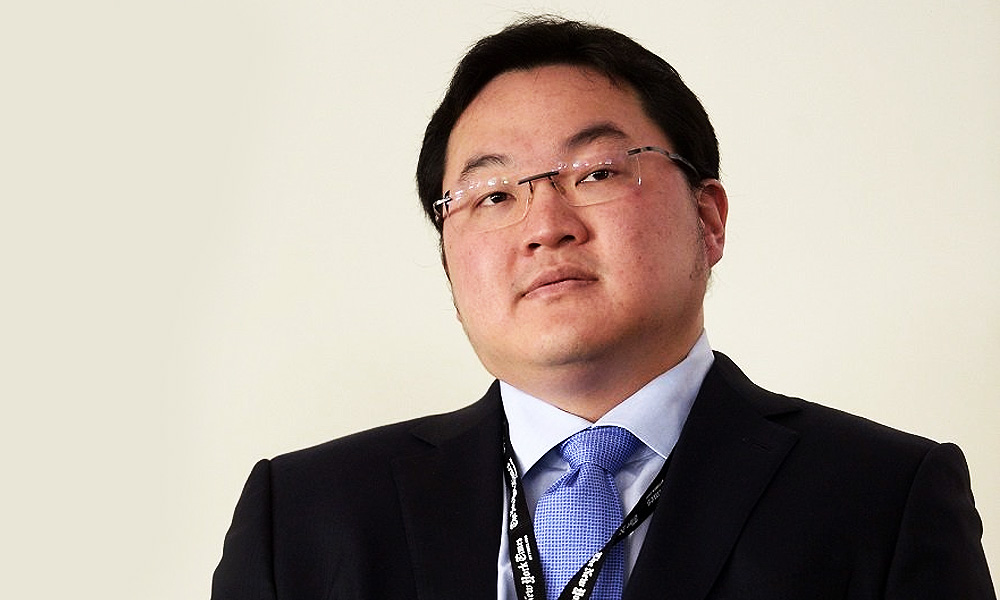
Najib knew about the problem of debt payment to IPIC and so did Low (photo). Both of them were directly involved and ensured that I negotiated with Mubarak.
It is only now that I understand the moves were intended as damage control.
Within a week or two from my discussion with Najib, I departed to Abu Dhabi alone to meet with Mubarak at Mubadala's office.
I was well received and I used what I remembered from the talking points provided by Low.
Mubarak told me that they (Abu Dhabi) was previously promised all kinds of things by Malaysia but they were not fulfilled.
They wanted a new agreement, which inked, would see regular payments to them. At that time, I did not understand what he meant about the many promises.
Only now do I know that it is highly likely to be in reference to the binding term sheet agreement that was previously signed but was not complied with.
During the meeting, there was only me and Mubarak discussing the issue at his office.
As a result of the meeting, we agreed to become facilitators for both countries through backchannels so as not to go to the international court if an agreement can be reached and Malaysia would make the next payment.
This was the confidential task I carried out on Najib and Low's instruction.
The discussions to exit the arbitration was subsequently managed by the respective lawyers of 1MDB and IPIC.
From time to time, I would receive status updates from both sides. However, Low will always provide the overall summary and suggested solutions to both sides.
From time to time, I was also contacted by Mubarak and IPIC's lead lawyer Martin Edelman, who I call Marty, to explain their position.
The agreement was supposed to be inked at the end of 2016, but failed as both countries did not agree to a few clauses.
At the end when the agreement needs to be signed, Najib called me a few times to ask that I provide the latest summary of discussions between both sides. This is intended for him to think about the next course of action.
I was officially informed by Mubarak through the phone that the negotiation was stopped while I was on my year-end holiday abroad.
However, around April 2017, I received an email and call from Marty informing me that negotiations are ongoing.
This surprised me as I assumed the negotiations before this had failed and stopped as informed by Mubarak.
I was of the opinion that there were other individuals (new channels) including Low who had assisted in continuing with the negotiations.
Subsequently, I was also contacted by (then) 1MDB CEO Arul Kanda and given an update on the latest status of the negotiation.
After I was informed about the negotiation, Low instructed me to facilitate the negotiation with Najib's agreement.
In the end, IPIC and 1MDB succeeded in reaching the settlement agreement in the middle of 2017.
Additional reporting by HIDIR REDUAN ABDUL RASHID & HARIZ MOHD.
RELATED REPORTS
Defence accuses ex-aide of playing ball with MACC to implicate Najib
Najib's ex-aide tells court of Rosmah and Jho Low's close relationship


Report this comment
Are you sure you want to delete this comment?
This action cannot be undone.