



Misleading to say oil palm plantations responsible for hot spots: CPOPC
INTERVIEW | The Council of Palm Oil Producing Countries (CPOPC) has cleared the air surrounding what it described as inaccurate statements linking the palm oil industry in parts of Indonesia to the recurring haze situation in the region.
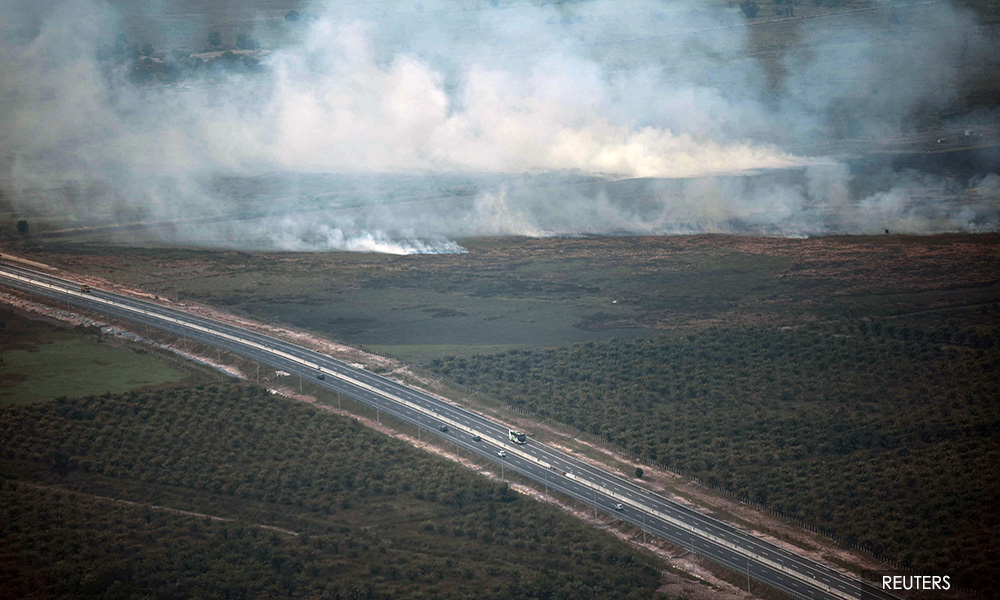
While admitting that satellite data had recorded hotspots within oil palm concessions, CPOPC executive director Yusof Basiron insisted that palm oil corporations and their subsidiaries should not be blamed for starting fires as a way to clear land.
INTERVIEW | The Council of Palm Oil Producing Countries (CPOPC) has cleared the air surrounding what it described as inaccurate statements linking the palm oil industry in parts of Indonesia to the recurring haze situation in the region.
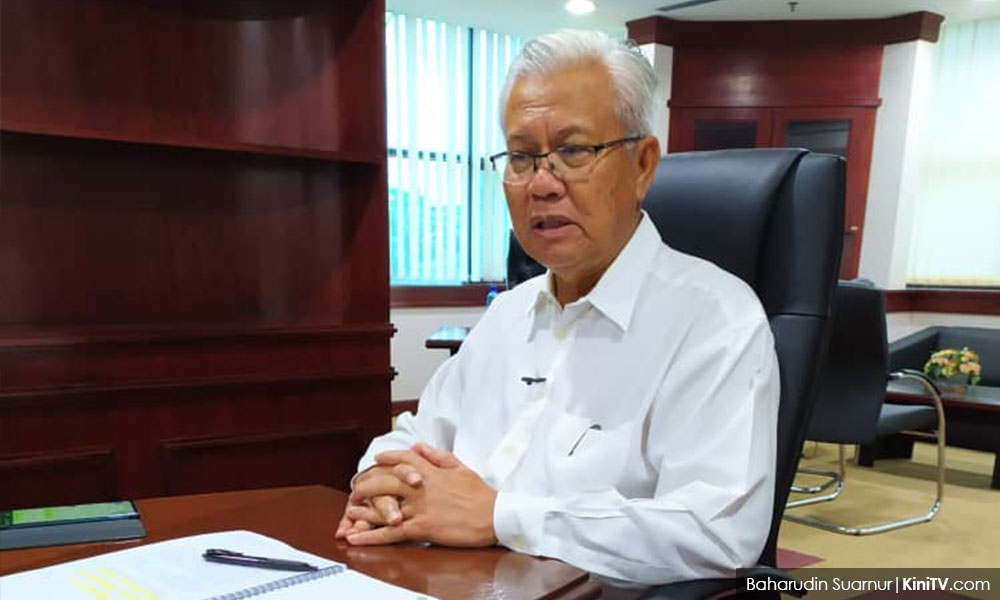
While admitting that satellite data had recorded hotspots within oil palm concessions, CPOPC executive director Yusof Basiron (above) insisted that palm oil corporations and their subsidiaries should not be blamed for starting fires as a way to clear land.
"We have often heard statements blaming the clearing of forest land by burning in order to plant crops like oil palm and others.
"This type of statements is inaccurate," Yusof in an interview with Malaysiakini at Wisma Sawit in Kelana Jaya today.
Permanently based at CPOPC's headquarters in Jakarta, Yusof - who was appointed to his post in July - is an industry veteran with over 40 years of experience including as former CEO of the Malaysian Palm Oil Council.
"You see, plantation companies will be given concessions or lands approved for planting oil palm.
"Normally they will not plant oil palms in all areas of the concession because their sustainability practice will say that they cannot plant on land which is slightly peat in nature or slightly hilly in nature as that is not suitable or not allowed to be planted with oil palm," he further explained.
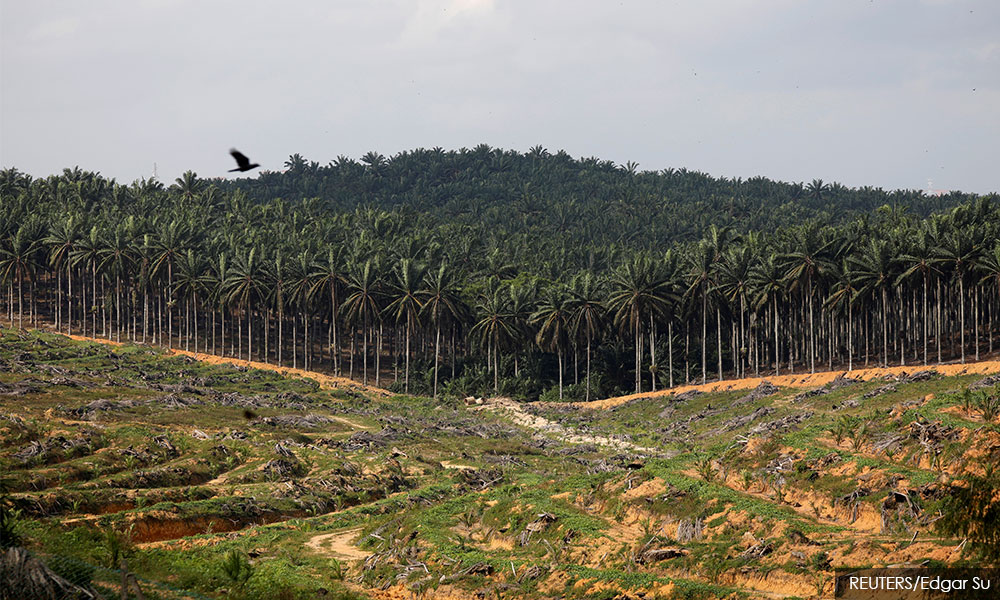
Yusof claimed the detected hotspots were commonly found in these pockets of abandoned land within a palm oil concession.
Where the land is not abandoned or planted with palm oil, Yusof said there are areas within an awarded concession already occupied by local villagers.
"These people would have been there since a long time ago and the land is part of their village, so these parts are left out of the plantation areas in the concession.
"For a lot of these communities, to them, little fires are okay to clear out their backyards," he noted, adding that plantation companies are often on the lookout to put out such fires before they spread and destroy their land.
"If the fires truly lie within the concession, the picture is always the same. There are small farmers and villagers living within the concession.
"They are the ones operating the land but it falls within the concession [...] I can assure you no plantation will ever light fires or allow fires to be lighted," he stressed.
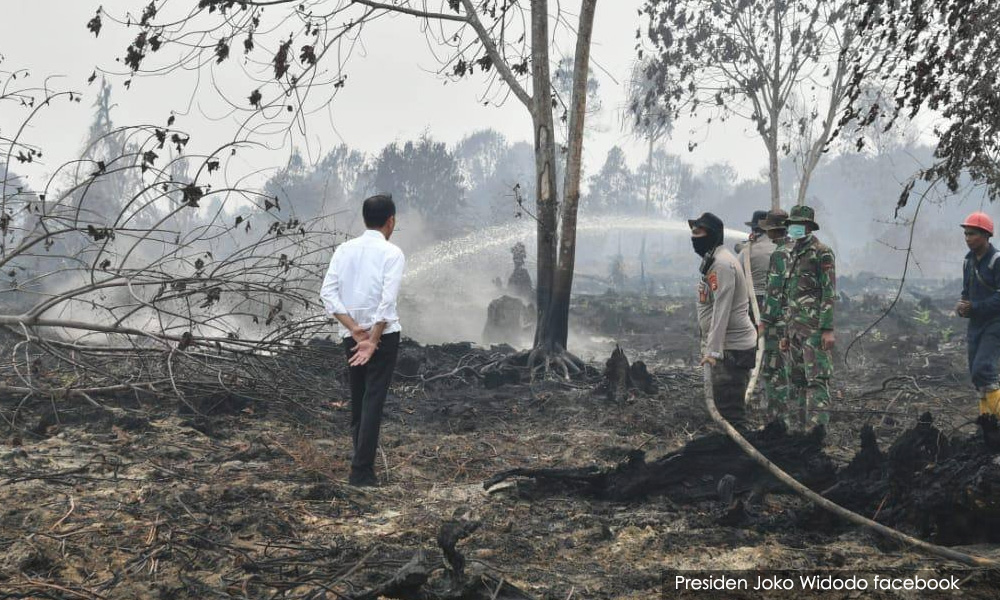
Faced with months of the dry season with little to no rain, Yusof said it could take just a tiny spark from a carelessly thrown cigarette butt to spark a wildfire along undergrowth that covered land formerly used by the locals to plant rubber or other cash crops.
He, however, insisted that such situations are largely under control with plantation companies taking the responsibility to not only report such incidents but also assist in putting out the fires as part of their standard operating procedure.
"The palm oil industry takes this fire issue very seriously. And as best as they can, they try to not be implicated. Not only to not do it but to not be implicated at all," he added.
The Indonesian government has blamed four Malaysian companies - Sime Darby Plantation, IOI Corporation, TDM Bhd and Kuala Lumpur Kepong Group - as being allegedly responsible for rainforest fires in their country.
'Fires must be reported'
Yusof said Indonesian law requires all plantation companies to report any incident of fires on their land or risk being punished under the law.
"Because they don't light the fire intentionally, they have to report to the police.
"If they don't do that, then it is assumed that they are the culprit responsible for causing the fire," he said, adding that Indonesian police would investigate the incident to determine the primary suspect.
When faced with allegations of involvement in open burning, Yusof said plantation companies would cooperate with investigating authorities, including local police and the Roundtable on Sustainable Palm Oil (RSPO) and its certification bodies.
Indonesian authorities have in the past week sealed off land owned by at least 49 plantation companies for investigation after fires were found occurring on their land.
According to the Indonesian Disaster Mitigation Agency, its satellite data as of yesterday had detected 2,719 hotspots across the country and it said 99 percent of the hotspots were caused by fires that were deliberately set.
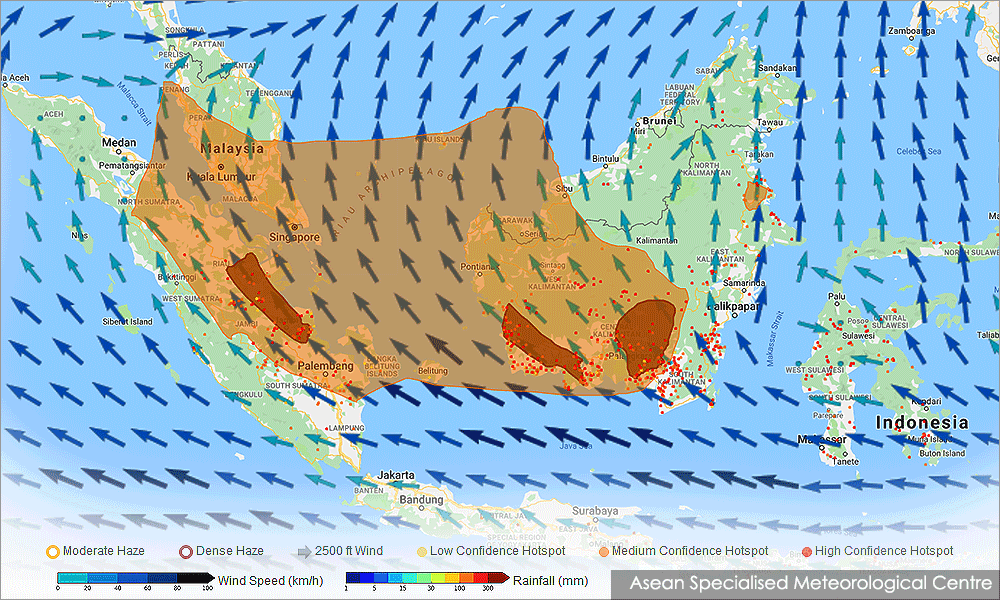
The Asean Specialised Meteorological Centre (ASMC) had earlier this month warned that the haze affecting parts of Malaysia will continue to worsen as satellite data showed a drastic jump in the number of hotspots detected in Sumatra, despite denials from Indonesia.
Its latest data as of yesterday recorded 124 hotspots in Kalimantan, 93 in Sumatera, one in Peninsular Malaysia and zero in Sabah and Sarawak.
The government has so far announced measures including cloud-seeding activities and closing more than 2,400 schools nationwide in areas where the Air Pollutant Index reading exceeds 200, which is labelled as "unhealthy" air quality.
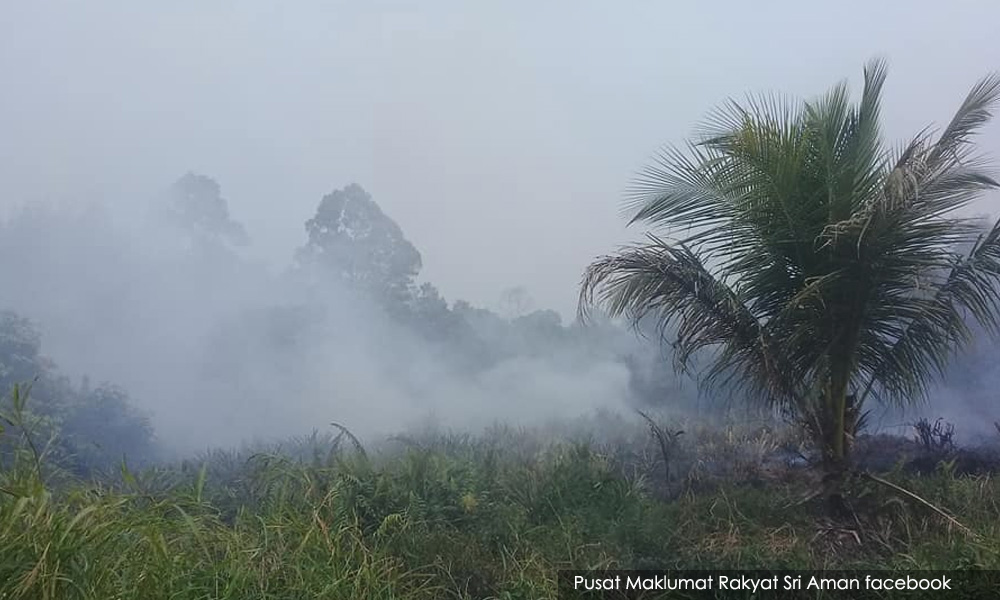
Sri Aman in Sarawak recorded the highest API level nationwide at 409 as of 4 pm today after it first breached the hazardous reading level this morning.



Are you sure you want to delete this comment?
This action cannot be undone.