


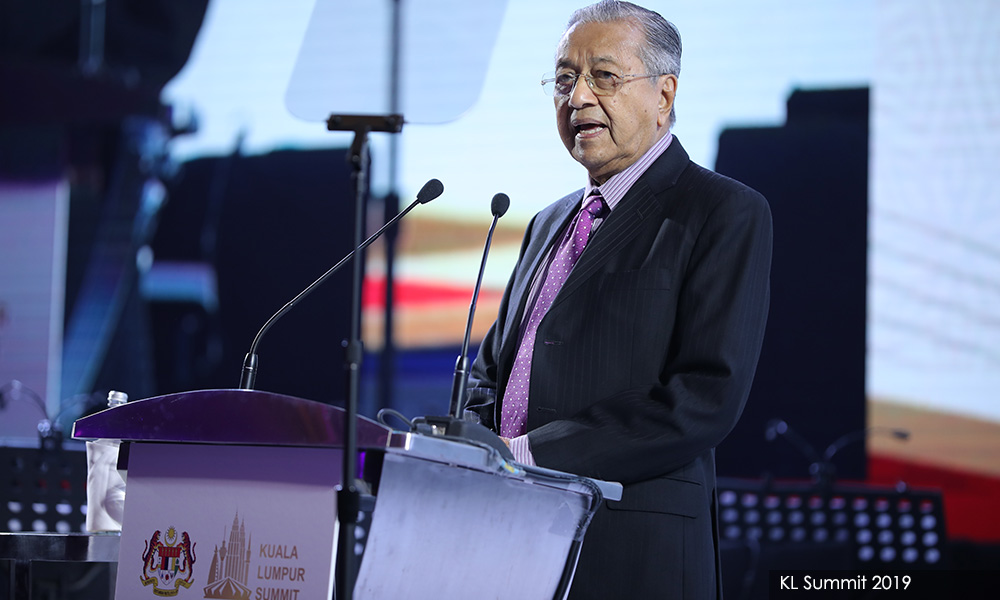

Dr M proposes Muslim trade market to overcome reliance on non-Muslim countries
Malaysian Prime Minister Dr Mahathir Mohamad has tipped off the Muslim world on how not to rely on strong non-Muslim countries.
He proposed the establishment of a Muslim trade market where Muslim buy and sell products among themselves.
Malaysian Prime Minister Dr Mahathir Mohamad has tipped off the Muslim world on how not to rely on strong non-Muslim countries.
He proposed the establishment of a Muslim trade market where Muslim buy and sell products among themselves.
If this can work out, he said Muslim countries will then no longer need to fear sanctions by another country.
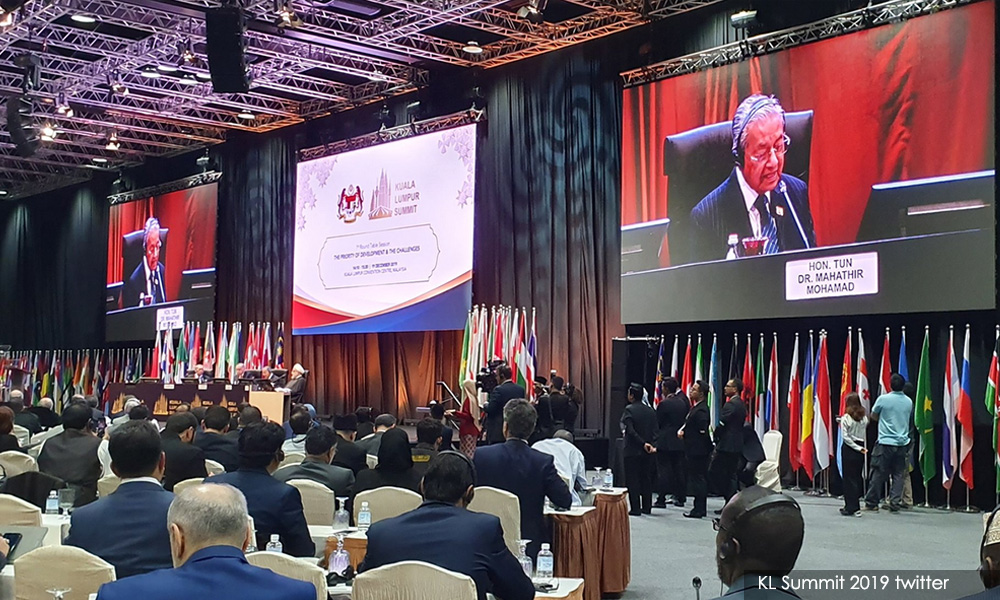
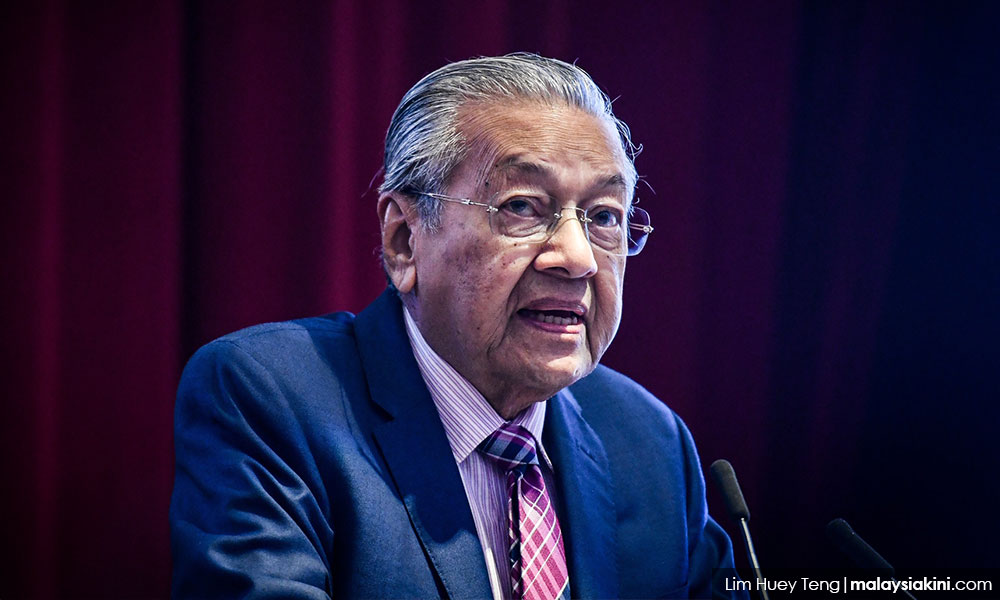
"There are 1.7 billion Muslims (worldwide). Obviously, this is a big market," he said during a question-and-answer session after a roundtable discussion at the Kuala Lumpur Summit 2019 today.
"But we have not enough products by ourselves and we have to source most of our needs from other countries and our money flew out, " he said.
"If we decide to source our needs from Muslims and Muslim countries, we will enrich ourselves [...] our wealth will stay within the Muslim community, we become richer," he said.
He added that Muslim countries will grow stronger when they are rich.
He also cited the defence technology explored by Turkey as one example of how Malaysia can learn to explore.
"It is not a boycott of the non-Muslims but if you source or sell things to non-Muslim countries, sometimes they apply sanctions against you," he said, adding these countries became helpless when sanctions were applied.
"If you don't need their products, then the sanctions will not work at all," he said.
Mahathir had previously spoken out against a call by several quarters for a boycott of non-Muslim products and businesses which had temporarily gained momentum in Malaysia in the middle of this year.
The boycott campaign had initially splintered from an older campaign calling on consumers to prioritise Muslim-made products.
Mahathir, today, however, noted the concern raised over the quality of products produced by Muslim countries.
Citing the experience of China, he said these countries could first assess their products by selling them within their own country initially before judging whether they were good enough for export.
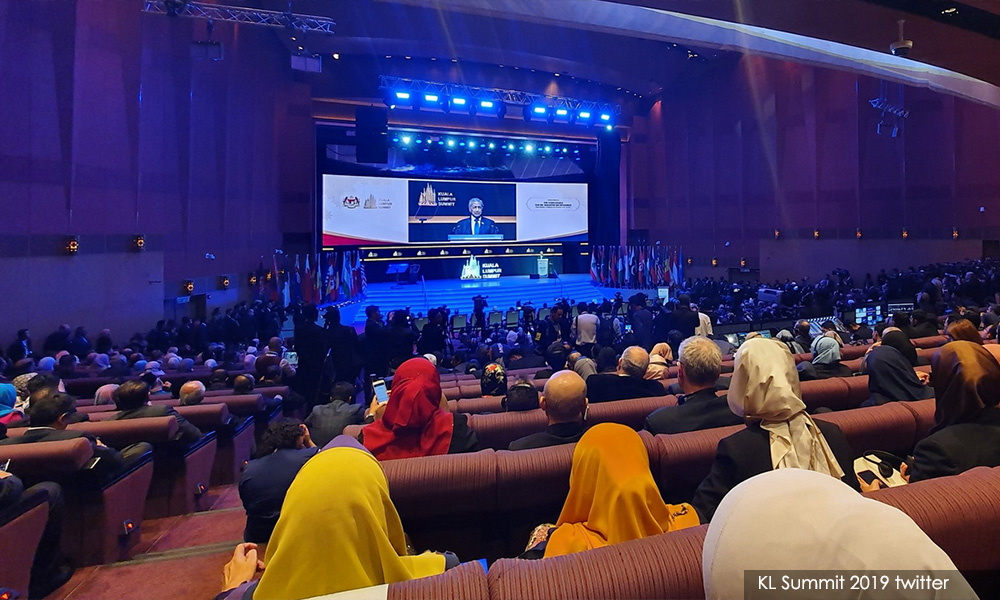
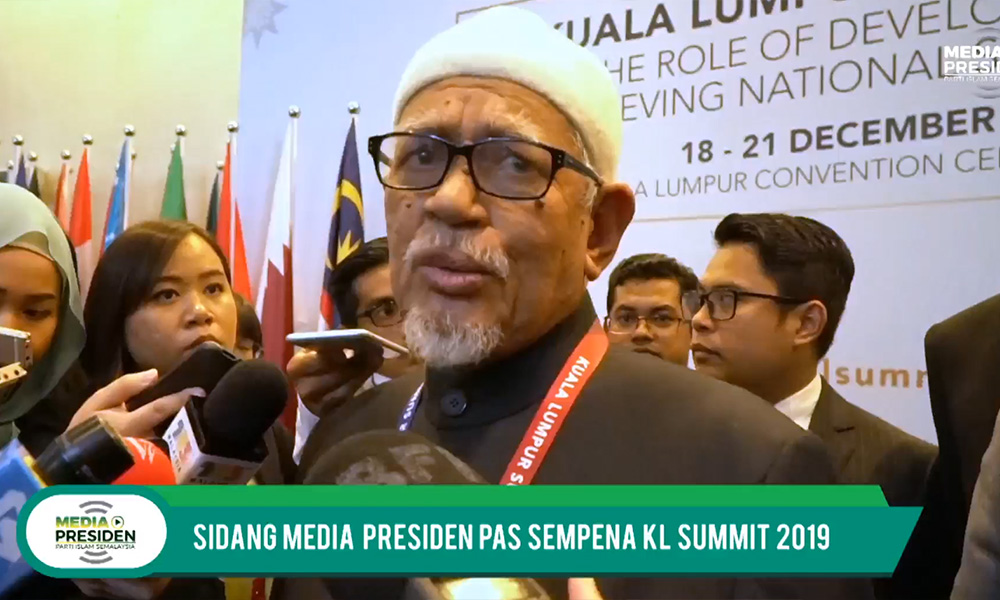
The ongoing KL Summit 2019 which is being attended by 450 delegates from 56 countries, emphasises on strengthening Muslim nation cooperation in various sectors, including artificial intelligence and the latest technologies.
Earlier, Mahathir had claimed that Muslim countries were ineffective and weak in governance despite some of them being immensely wealthy.


Are you sure you want to delete this comment?
This action cannot be undone.