


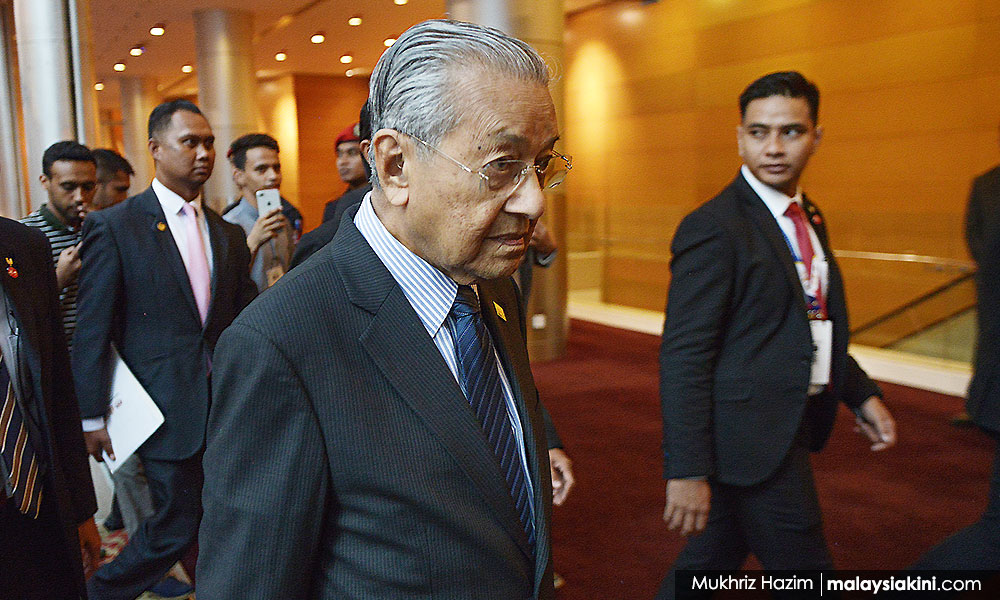

That's their opinion - Dr M on India's rebuke over citizenship law criticism
UPDATED 4.50PM | Added background on the issue, Dr M's comments on palm oil export and Uyghurs in China.
Malaysian Prime Minister Dr Mahathir Mohamad today dismissed India's criticism over his remarks on the country's new citizenship law which critics said was discriminatory against Muslims.
Mahathir argued that he merely expressed his opinion when he questioned the necessity for the citizenship law.
"That is their opinion. My opinion is mine...
- Added background on the issue plus Dr M's comments on palm oil exports and the Uyghurs in China.
Malaysian Prime Minister Dr Mahathir Mohamad today dismissed India's criticism over his remarks on the country's new citizenship law which critics said are discriminatory against Muslims.
Mahathir argued that he merely expressed his opinion when he questioned the necessity for India's new citizenship law.
"That is their opinion. My opinion is mine," he told the media after the closing of the Kuala Lumpur Summit 2019 today.
He said it is up to the media whether they wanted to accept his words on India's new citizenship law.
Yesterday, India's External Affairs Ministry issued a statement urging Mahathir to stop touching on the country's internal affairs.
The ministry also said Mahathir has been factually wrong about the new citizenship law.
"We call upon Malaysia to refrain from commenting on internal developments in India, especially without a right understanding of the facts," said India's Ministry of External Affairs.
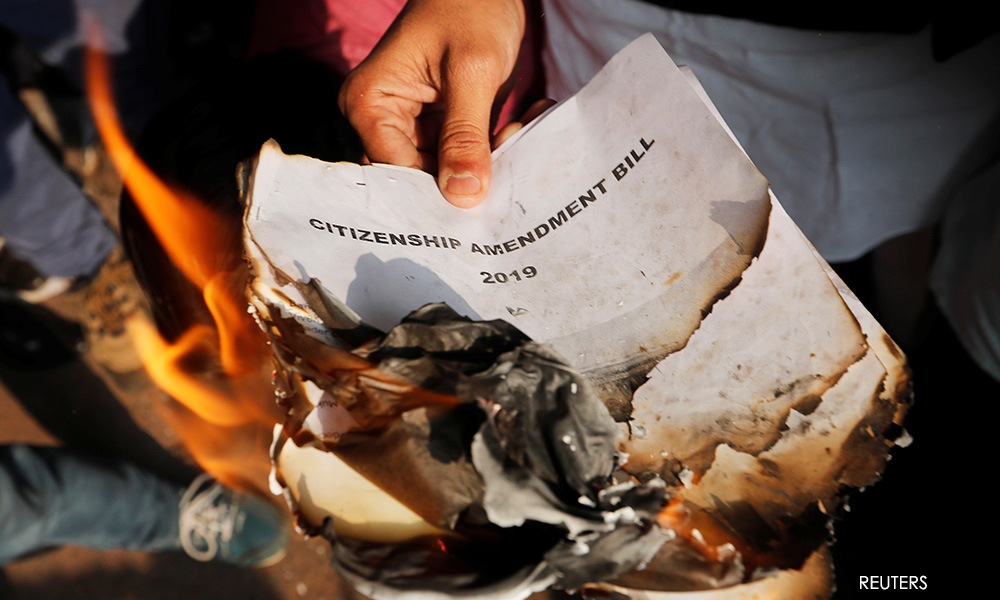
Mahathir, speaking to the media on the sidelines of the Kuala Lumpur Summit 2019 yesterday, had questioned the new citizenship law in India and said New Delhi was depriving Muslims of citizenship.
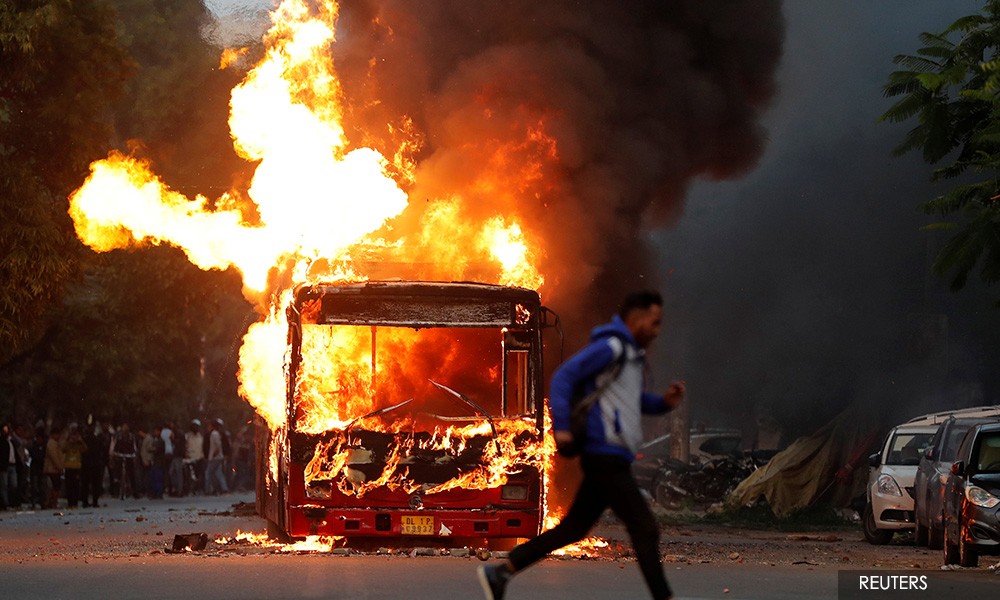
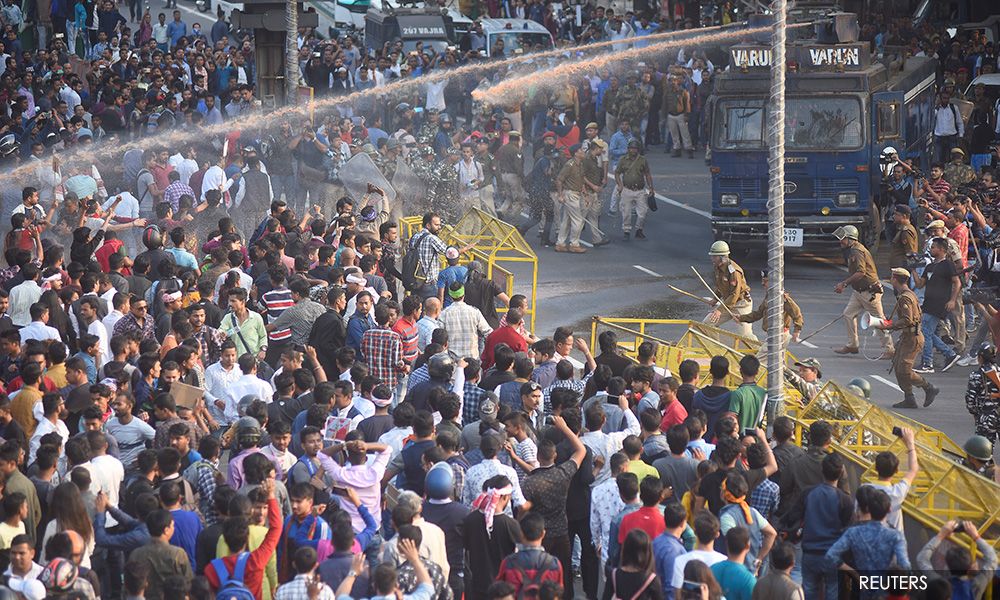
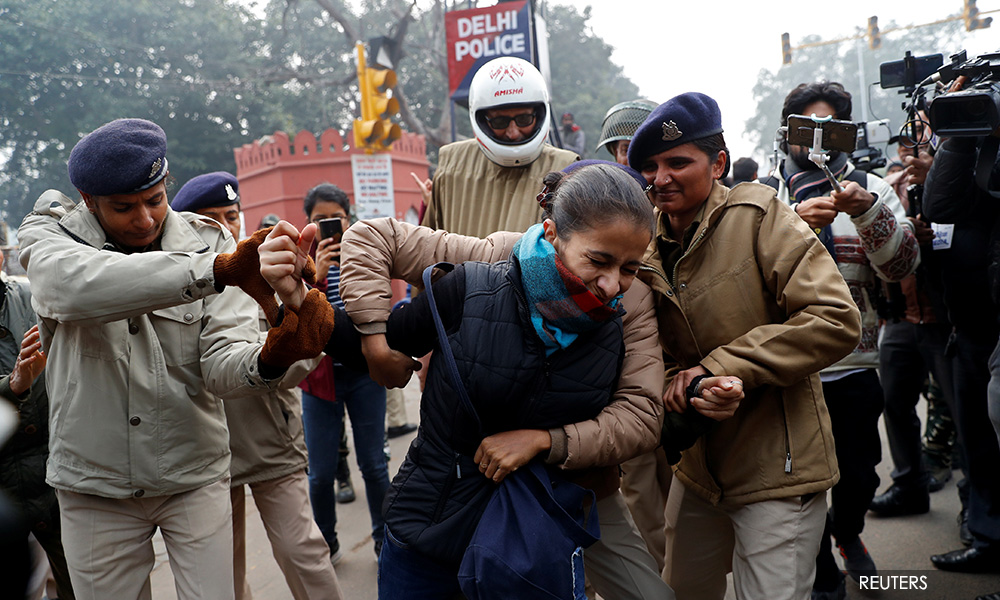
The new legislation makes it easier for undocumented non-Muslim migrants who are minorities in Afghanistan, Bangladesh and Pakistan and who settled in India before 2015 to secure Indian citizenship but critics argue that the exclusion of Muslims was discriminatory.
New Delhi is also proposing a nationwide register of citizens and the final list published in August for the north-eastern multiethnic state of Assam left 1.9 million people stateless. However, they can apply for Indian citizenship through a lengthy appeals process.
At the United Nations in September, Mahathir said India "invaded and occupied" Jammu and Kashmir and asked New Delhi to work with Pakistan to resolve the issue.
In response to this, Reuters quoted Indian government and industry sources as saying that India was planning to replace Malaysian palm oil with supplies of edible oils from countries like Indonesia, Argentina and Ukraine.
The Indian government on Aug 5 revoked Jammu and Kashmir's legal autonomous status and imposed unprecedented security measures, including cutting off the Internet and phone services to prevent protests in the region.
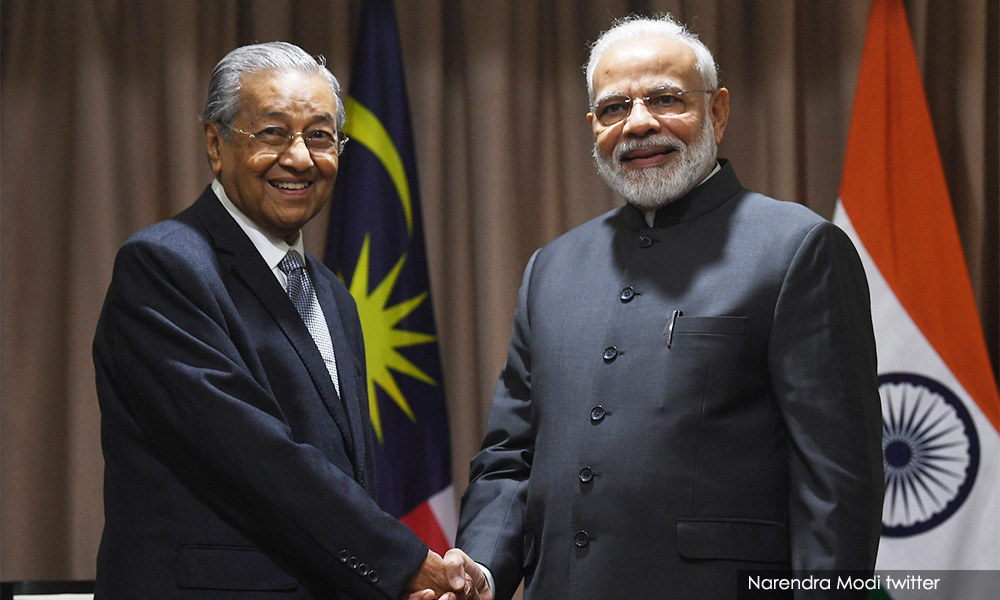
Mahathir was asked at today's press conference if he feared another threat from India on boycotting the palm oil.
"We did make some remarks about India and there were statements that they would not buy our palm oil but this was made by the private sector, not the government," he said.
"We would like not to ignore that," he said.
On a separate development, Mahathir said he has not watched the latest documentary video released by China on the Uyghurs in Xinjiang.
"I have not seen it, but I would like to see it. And, of course, we have to hear the stories told by both sides.
"We have to hear the state, we have to hear the people who complained, then only it will be fair," he said.
"But I see only from one side, then it would not be fair," he said.
China had recently released two documentaries on terrorism in Xinjiang.


Are you sure you want to delete this comment?
This action cannot be undone.