艺术家阿末弗亚严正否认国家美术馆在撤除及更动其部分展品前,有事先征得他的同意。

“这是不对的。如同我在公开信中的解释,我事先得到通知。但特约策展人沙比尔(Shabbir Hussain Mustafa)或我,都不曾与馆方见面商谈此事,而我当然不同意撤走作品的决定。”

他也再度要求国家美术馆立刻停止其展览,以表达他对撤除事件的不满。

阿末弗亚今天在Instagram贴文也批评馆方对外宣称的撤走作品理由,与他所收到的公函说法不一。

“在他们给我的信函中,他们说有一名董事投诉。”

“现在,他们在公开声明中则声称,也有收到民众投诉,而撤走作品是董事会的集体决定。”

View this post on Instagram

1. I read Balai Seni Negara’s (henceforth, Balai) media statement, dated 10 Feb 2020, on the censorship of my artworks with regret and concern. I would like to repeat my request for the immediate closure of the exhibition, a request that remains unaddressed. 2. Censorship is primarily an ethical issue, not a contractual one. 3. It bears repeating that I am very grateful to Balai for our collaboration. But a collaboration is based on mutual trust, respect, understanding and agreement. 4. In its statement, Balai asserts that we had discussed the removal of my works, and implies that I consented to it. This is untrue. As I explained in my open letter, I was notified in advance. But the guest curator Shabbir Hussain Mustafa or I never met with Balai to talk about the matter, and I certainly do not agree to the removal. 5. All that Balai has said — to me directly, and to the public through their statement — is that they are removing my works based on complaints. In their direct letter to me, they said a single Board Member complained. Now, in their public statement, they claim they also received public complaints, and that their decision is a collective one by the Board. 6. What is at stake is transparency and accountability. Surely Balai does not always and automatically remove artworks whenever it receives a complaint from anyone. There must be a process of deliberation. What process did the Balai Board follow in deciding to remove my works? How did it identify those particular works over others? Did anyone at Balai defend my works, and the Board’s prior decision to exhibit them?

A post shared by Ahmad Fuad Osman (@osmanahmadfuad) on

接着,他进一步质疑,国家美术馆处理撤走作品的标准程序与透明度。

“这关乎透明度和问责制。国家美术馆当然不会一收到任何人的投诉,就移除艺术作品。这必定有个审议的过程。”

“国家美术馆决定撤除我的作品前,遵循了哪些程序?他们怎么确认要移除特定作品,而不是其他的?美术馆中有没有人捍卫我的作品,以及捍卫董事会先前的展出决定?”

促主办公众咨询

此外,阿末弗亚质问,国家美术馆为何在展出数个月后,在未经艺术家的同意下,才决定“修改”展览内容。

他说,国家美术馆并没有予以任何解释,特定投诉足以让他们撤走作品的原由。

他亦敦促国家美术馆召开一系列公众咨询和论坛,公开讨论这起事件。

“若公立艺术机构要在艺术辩论中维持关键地位,则公开对话至关重要。”

反对艺术审查

昨天,国家美术馆以“协议明订馆方权利”的名义,捍卫其撤除艺术家阿末弗亚个展的部分展品之举。

不过,阿末弗亚却强调,审查应属伦理课题,而非合约问题。

他感谢有机会与国家美术馆合作,惟双方合作必须建基于互相信任、尊重、理解和协议。

此外,他指出,本起风波让他深切反省到作为艺术家应有的风骨。

“这关乎艺术家如何学会依照伦理,处理艺术机构与合作者之间的争端。此问题的核心也攸关一家公立艺术机构的伦理责任,而非合约问题。”
批讨好政治人物

另一方面,本地知名演员阿美鲁(Amerul Affendi)也在推特贴文,谴责国家美术馆过度讨好政治人物。贴文:

“别再把政治人物当皇帝般伺候。”

“他们是为我们工作的,我们投选了他们。”

阿美鲁也在另一则推文中表明,本起事件起源于“有些阿谀奉承且软弱的人。”

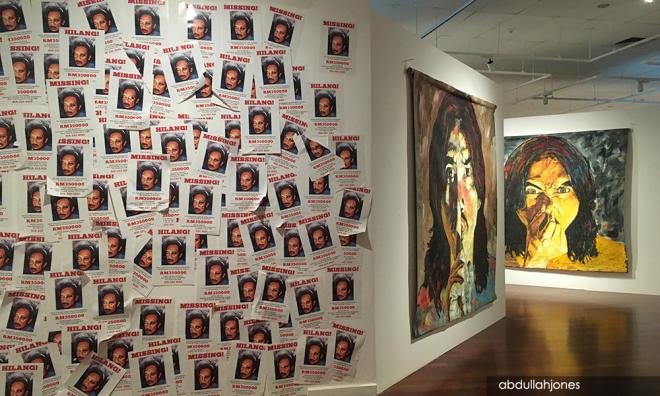
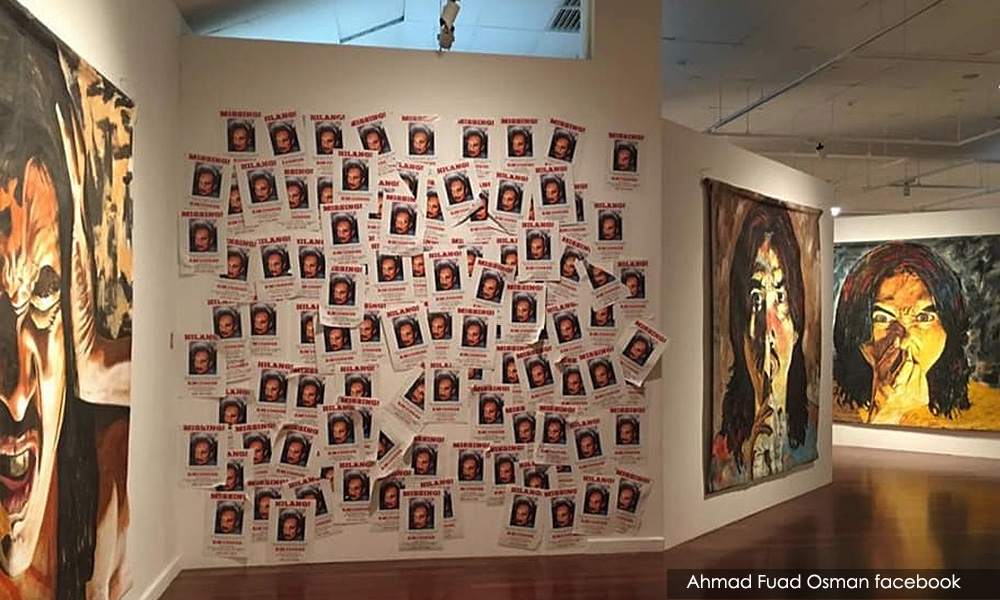
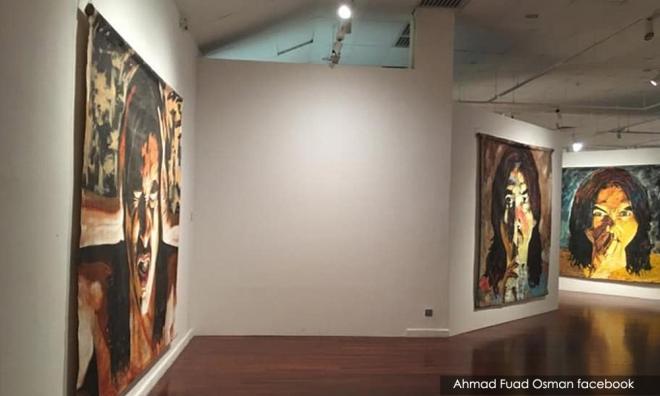
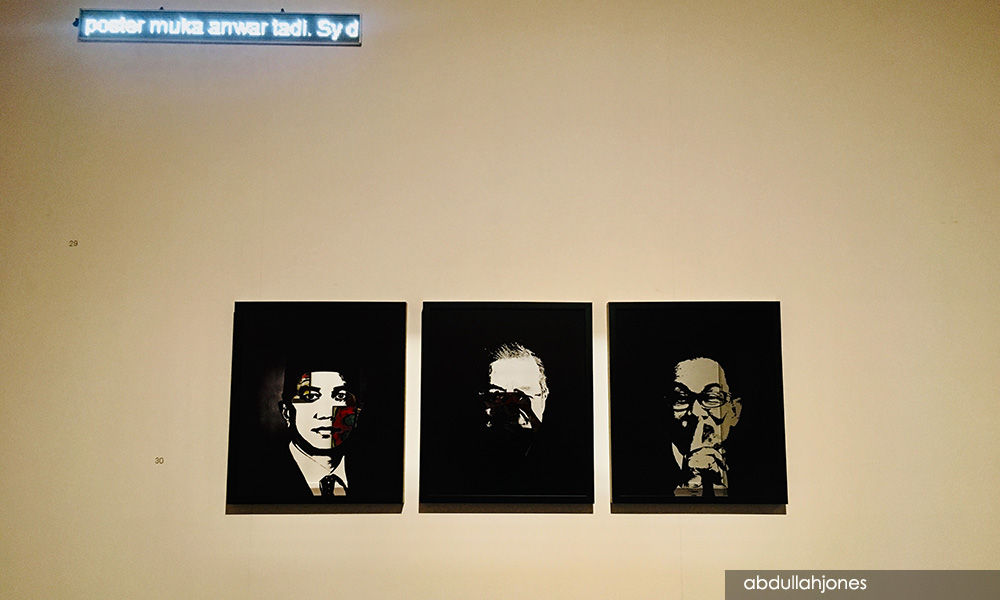
事缘,阿末弗亚(Ahmad Fuad)日前揭露,上个月接获国美馆通知,该馆基于一名董事的投诉,移走更动他的部分展品。撤走的3个作品,分别涉及安华、阿兹敏和马哈迪的肖像。

美术馆此举触怒阿末弗亚。他要求美术馆即刻撤掉整个展览,好过让展览在折衷妥协的状态下示人。

这场展览名为“到头来,就连艺术也不重要”(At The End Of The Day Even Art Is Not Important),于去年10月28日开展,至今年2月29日止。

昨天,也有266名艺术家联署,要求美术馆解释撤作决议的细节,以及恢复展品或撤展。