


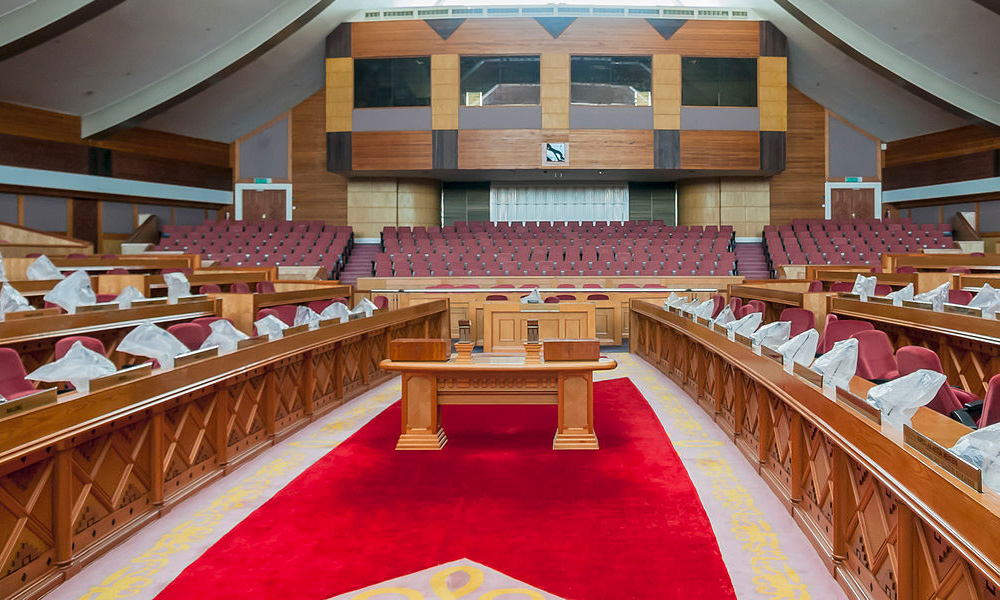

COMMENT | The role of the Sabah caretaker govt - state law society
COMMENT | The Sabah Law Society (SLS) notes the recent media reports concerning the dissolution of the Sabah State Assembly and as the statutory body representing lawyers in Sabah, SLS feels that it is necessary to highlight the legal provisions relevant to the issue at hand and states as follows:
Caretaker government and convention
A caretaker government at the state level is a state government during a period that starts when the state assembly is dissolved by the Tuan Yang di-Pertua Negeri of Sabah (TYT) prior to a state election and continues for a period after the election until the next cabinet in Sabah is appointed.
A caretaker government at state level operates until the election results clearly indicate that either the incumbent party or coalition has retained power...
COMMENT | The Sabah Law Society (SLS) notes the recent media reports concerning the dissolution of the Sabah State Assembly and as the statutory body representing lawyers in Sabah, SLS feels that it is necessary to highlight the legal provisions relevant to the issue at hand and states as follows:
Caretaker government and convention
A caretaker government at the state level is a state government during a period that starts when the state assembly is dissolved by the Tuan Yang di-Pertua Negeri of Sabah (TYT) prior to a state election and continues for a period after the election until the next cabinet in Sabah is appointed.
A caretaker government at state level operates until the election results clearly indicate that either the incumbent party or coalition has retained power, or in the case where there is to be a change of government, until the new state government is appointed by the TYT.
Conduct of the caretaker government
A caretaker government is expected to conduct itself in accordance with a series of well-defined conventions that are administered by the state secretariat although there is no law compelling the caretaker government to do so.
The caretaker convention explicitly recognises that after the dissolution of the state assembly, the business of government must continue and that "ordinary matters of administration" must be addressed. Hence the provisions allow for the normal operations of all government departments.
However, the caretaker conventions impose some restrictions on the conduct of the caretaker government. The conventions broadly include the following:
Major policy decisions: The state government will cease taking major policy decisions except on urgent matters and then only after formal consultation with the opposition.
Significant appointments: The state government will cease making major appointments of public officials but may make acting or short-term appointments.
Major contracts or undertakings: The state government will avoid entering major contracts or undertakings during the caretaker period.
International negotiations and visits: The state government ordinarily seeks to defer such major international negotiations or adopts observer status until the end of the caretaker period.
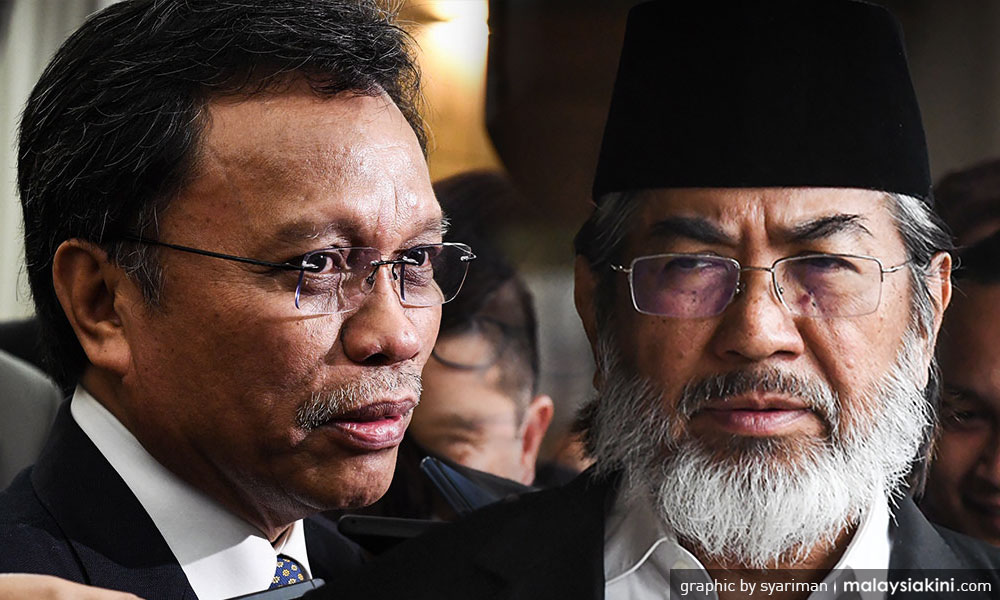
Shafie Apdal is the caretaker chief minister of the caretaker state government for now, and members of the public are urged to remain calm and allow the democratic process through elections to carry on so that the people of Sabah can select the leaders of their choice to form the state government.
Related reports:
ROGER CHIN is the president of the Sabah Law Society.
The views expressed here are those of the author/contributor and do not necessarily represent the views of Malaysiakini.


Report this comment
Are you sure you want to delete this comment?
This action cannot be undone.