


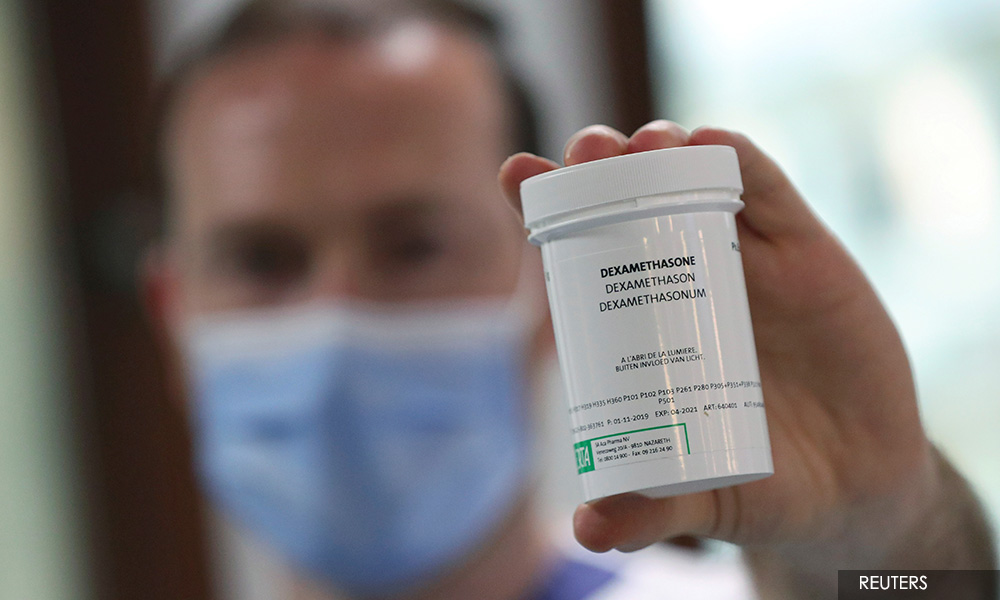

Health DG: So far only Dexamethasone works on Covid-19 patients
COVID-19 | All four Covid-19 treatment options assessed in the World Health Organization’s (WHO) Solidarity Trial have failed to prove any effectiveness.
Only the steroid dexamethasone has shown results when used to treat the virus, shared Health Ministry director-general Dr Noor Hisham Abdullah...
COVID-19 | All four Covid-19 treatment options assessed in the World Health Organization’s (WHO) Solidarity Trial have failed to prove any effectiveness.
Only the steroid dexamethasone has shown results when used to treat the virus, shared Health Ministry director-general Dr Noor Hisham Abdullah.
Sharing the trial’s preliminary findings today, he said more than 190 Covid-19 patients from Malaysia are involved in the WHO study.
“We found that Remdesivir does not help to reduce the number of deaths, it does not help reduce the number of hospitalised cases and it does not prevent category three and four patients from progressing to category five (where they need a ventilator).
“So this drug does not work to stop the progression of the disease,” he said.
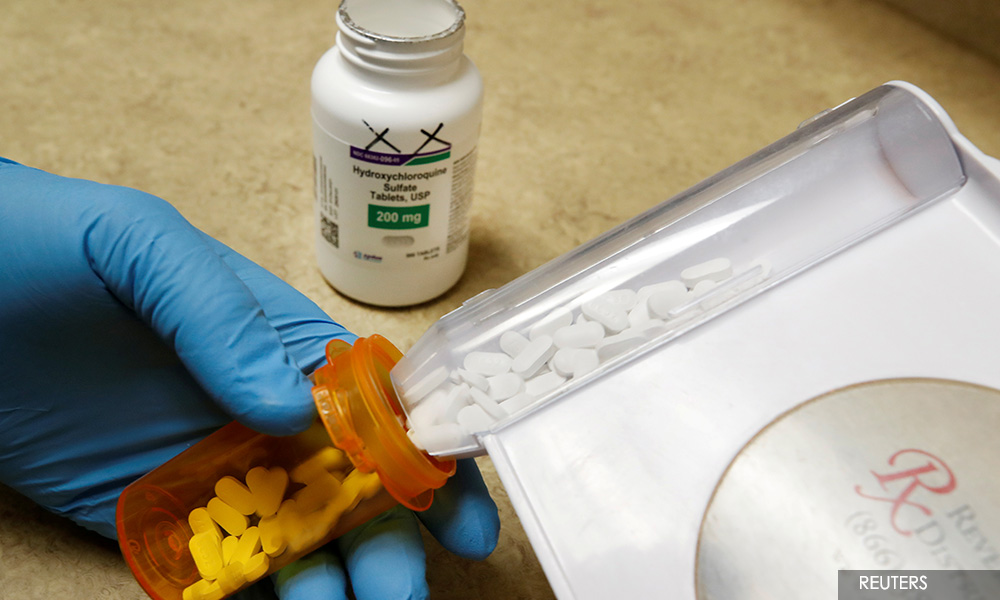
Noor Hisham said that malaria drug Hydroxychloroquine was also found to be ineffective against the virus.
Malaysia stopped administering the drug on an off label basis in June.
The WHO study further found no efficacy of the combination HIV drug, Lopinavir/Ritonavir on Covid-19.
It reported a similar result for a fourth drug in the trial - Lopinavir/Ritonavir with Interferon beta-1a.
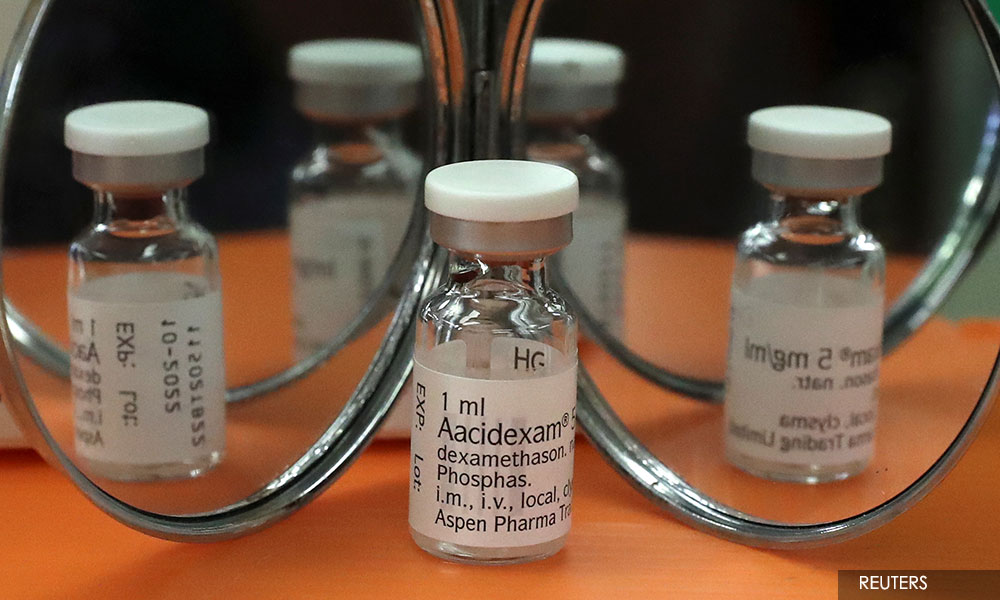
“What we have found positive (against the virus) is Dexamethasone, which helps reduce inflammation in the lungs,” Noor Hisham said.
Back in June, Oxford University researchers found that dexamethasone was able to reduce the death rate among Covid-19 patients with breathing difficulties by about one-third.
Noor Hisham previously advised using dexamethasone with caution due to its side effects, which include Cushing Syndrome, a loss of bone density and muscle weakness.
Caused by a rise in cortisol levels, Cushing Syndrome can lead to high blood pressure, bone loss as well as Type 2 diabetes.
Malaysia has been administering the readily available steroid since the Covid-19 outbreak began.
Dexamethasone is typically used to treat conditions such as skin diseases, allergies and asthma.
Concerns about Covax
Asked about WHO’s Covax programme, the top official listed his concerns about the initiative.
WHO is working with Gavi and the Coalition for Epidemic Preparedness Innovations (Cepi) to bring together high-income nations to finance the development of a Covid-19 vaccine. It aims to distribute two billion doses of the vaccine by the end of 2021.
Noor Hisham proposed a closer look at the efficacy of the actual Covax vaccine before investing in it. He noted that a price tag had been assigned despite how the vaccine had not been invented yet and remarked how it was priced differently for different countries.
“The vaccine does not exist yet, but the price has already been determined,” he commented.
He was also concerned about potential side effects, who would bear the liability cost and access to the latest data on vaccine development.
“There are many issues that do not appear to be in our favour,” Noor Hisham added.
Under Covax’s Committed Purchase arrangement, the vaccine costs RM87 (US$21.10) per person. Malaysia, classified as an upper-middle-income economy, will need to self-finance the procurement should it commit to it.
Science, Technology and Innovation Minister Khairy Jamaluddin recently proposed that the government set aside RM3 billion in Budget 2021 for vaccine procurement.
He said Putrajaya was considering whether to join Covax or work directly with other vaccine manufacturers like those in China to obtain a direct supply.


Report this comment
Are you sure you want to delete this comment?
This action cannot be undone.