


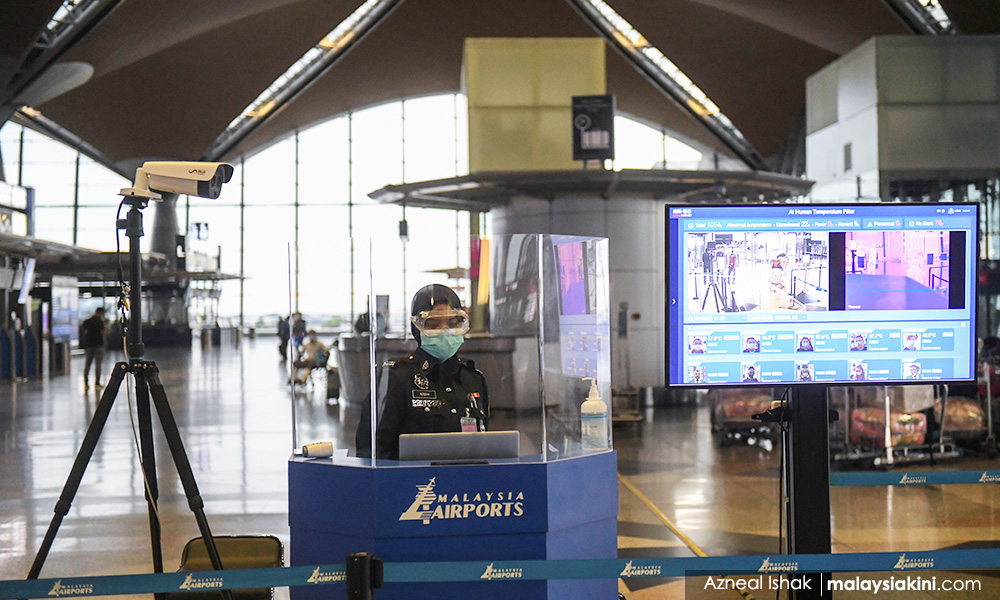

'Omicron variant comes at worst time amid elections in M'sia'
The emergence of the Omicron Covid-19 variant, which has a spike protein that has dramatically mutated from the original virus that vaccines are based on, comes at the worst time.
Dr Lam Sai Kit, a senior fellow with the Academy of Science Malaysia said while there are no reports of the variant in Malaysia yet, the country must be vigilant as its emergence comes at a time where there is a lot of movement of people.
"The appearance of Omicron...
The emergence of the Omicron Covid-19 variant, which has a spike protein that has dramatically mutated from the original virus that vaccines are based on, comes at the worst time.
Dr Lam Sai Kit, a senior fellow with the Academy of Science Malaysia said while there are no reports of the variant in Malaysia yet, the country must be vigilant as its emergence comes at a time where there is a lot of movement of people.
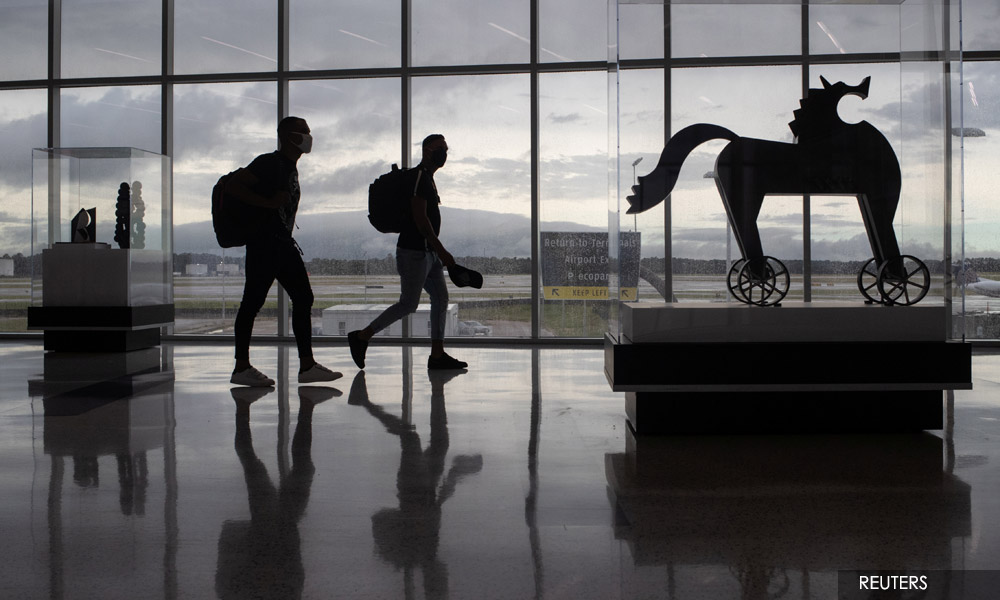
"The appearance of Omicron could not have come at a worse time because of the expected surge in global travel during the forthcoming holiday season.
"In Malaysia, the additional concern is the possible introduction of this variant into the country with the Sarawak election due next month," he said.
He added that this was in addition to talks of an early general election, a move which Health Minister Khairy Jamaluddin has advised against.
The Omicron variant was first discovered in South Africa but has spread to this region, particularly Hong Kong.
Malaysia has imposed a temporary travel ban on South Africa along with Botswana, Eswatini, Lesotho, Mozambique, Namibia, and Zimbabwe. The ban took effect today.
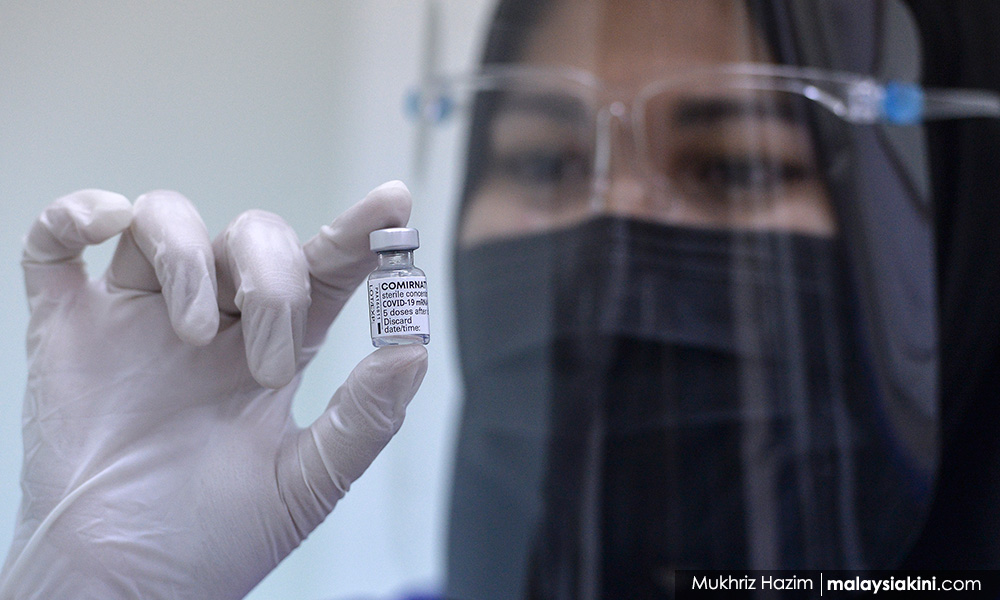
"Any mutation on the spike protein is of concern since it is responsible for the entry of the virus into human cells and is the target of most Covid-19 vaccines. Thus, this new variant has the potential to escape immunity and have increased infectivity.
"So far, there is no proof that this variant is more contagious or lethal than the Delta variant, but the fact that so many mutations have been found associated with the virus spike protein give rise to the fear that Omicron may prove to be equally transmissible and deadly," said Lam.
Reuters has reported that preliminary findings suggest the Omicron variant is more transmissible than other variants and also has an increased risk of re-infection. At present, the dominant variant is Delta.
However, the report said it could still take weeks before scientists can fully understand the new variant.

Lam, who is also a research consultant with Universiti Malaya, said Malaysia must enhance its surveillance and genome sequencing efforts at its borders, especially on foreign tourists from affected countries.
He said imposing a travel ban is an unpopular move and has already caused stock markets to tumble but stressed precautions must be taken until more information is available.
“What else can we do to prevent or at least slow down the variant from spreading outside of South Africa?
"We have to be proactive to protect our borders, and one way is to impose travel restrictions, no matter how unpopular this is.
"In the next few weeks, much more will be known about the Omicron variant, and we can then adjust our response accordingly. In the meantime, Malaysia and the world must be prepared for a worst-case scenario," he said.



Report this comment
Are you sure you want to delete this comment?
This action cannot be undone.