



Environmental groups: Floods show need for climate action
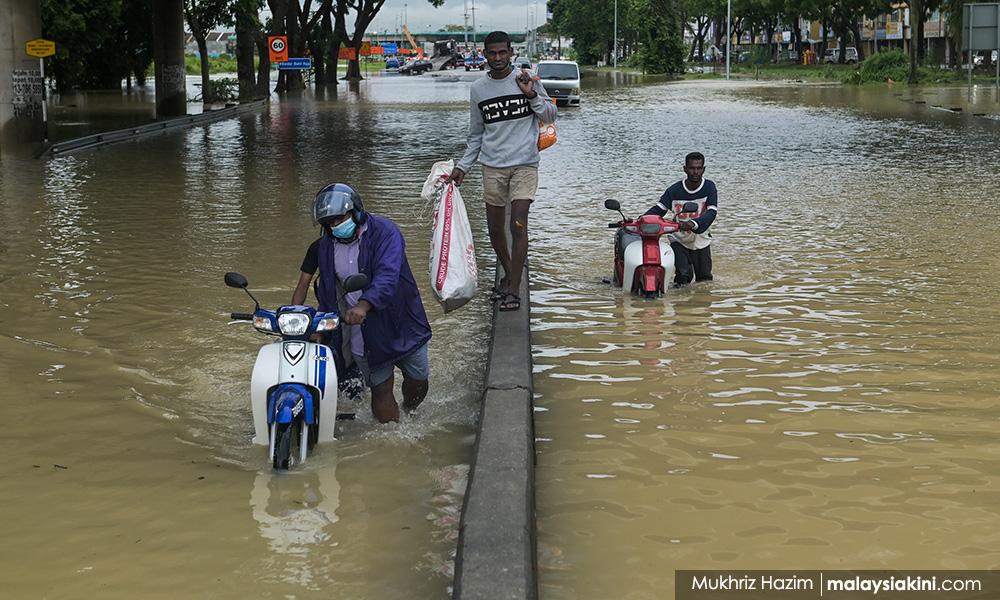
Environmental groups coming together as the Climate Emergency Coalition of Malaysia (GDIMY) have called on the federal government to declare the latest round of flooding across the peninsula as a national crisis.
Citing findings from the latest UN's Intergovernmental Panel on Climate Change report, GDIMY said the government must prioritise climate resilience in its response to "widespread, rapid and intensifying" climate change.
"Not properly protecting our people from the full impacts of disasters is a violation of their rights...
Environmental groups coming together as the Climate Emergency Coalition of Malaysia (GDIMY) have called on the federal government to declare the latest round of flooding across the peninsula as a national crisis.
Citing findings from the latest UN's Intergovernmental Panel on Climate Change report, GDIMY said the government must prioritise climate resilience in its response to "widespread, rapid and intensifying" climate change.
"Not properly protecting our people from the full impacts of disasters is a violation of their rights to life, health, food, water, shelter, a safe and healthy environment and livelihood," it stressed.
As a start, GDIMY demanded a stop to five activities that it argued have contributed to the record rainfall and flooding, aside from the impact of Typhoon Rai in parts of the Philippines:
• Continual loss of rainfall catchment areas due to deforestation by logging (both legal and illegal);
• De-gazettement of forest reserves and conversion to plantations, mining or mixed development;
• Poorly planned development with no proper impact/risk assessments near forest reserves causing forest fragmentation;
• Cities that have been built with low permeability to absorb rainfall; and
• Changes in river management systems from unchecked canalisation and loss of buffer zones and setback lines due to developmental pressure.
The groups said in a statement that a special commission must also be formed to investigate the disaster and efficacy of the response actions, as well as to recommend reparation or compensation for those negatively impacted by any government negligence.
"The independent members of this Special Commission must comprise independent scientists and local experts on flood-related issues, representatives of the affected communities, NGOs, Disaster Risk Reduction Management experts, health professionals and town planning and sustainability experts.
"The investigation findings must be read out and debated in Parliament as soon as possible in 2022, and the publication made accessible to the public," GDIMY said.
At the same time, it said both federal and state governments must expedite the development of a National Adaptation Plan that focuses on resilience, with clear targets, future scenario planning and an implementation roadmap that covers all possible climate impacts.
"All consultation processes with local governments and non-state stakeholders must be transparent, meaningful and inclusive to ensure the building of community resilience components which include rural and urban settlements and landscape design, social capital, ecosystem capital, rural and urban technological capital and adaptive capacity," GDIMY said.
Another demand is for the federal government to expedite a National Disaster Risk Reduction Plan that includes instituting nationwide cross-sectoral training in Community-based Disaster Risk Management.
"We (also) demand the setting up of an independent multi-stakeholder Community Resilience Unit to oversee a nationwide programme to build community resilience in all factors beyond just disaster risk management," it added.
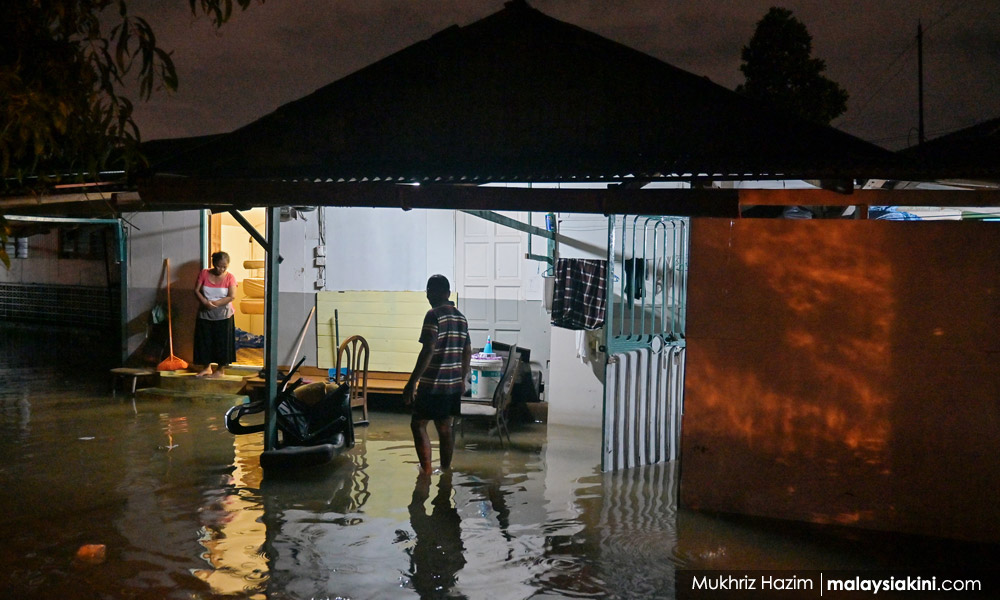
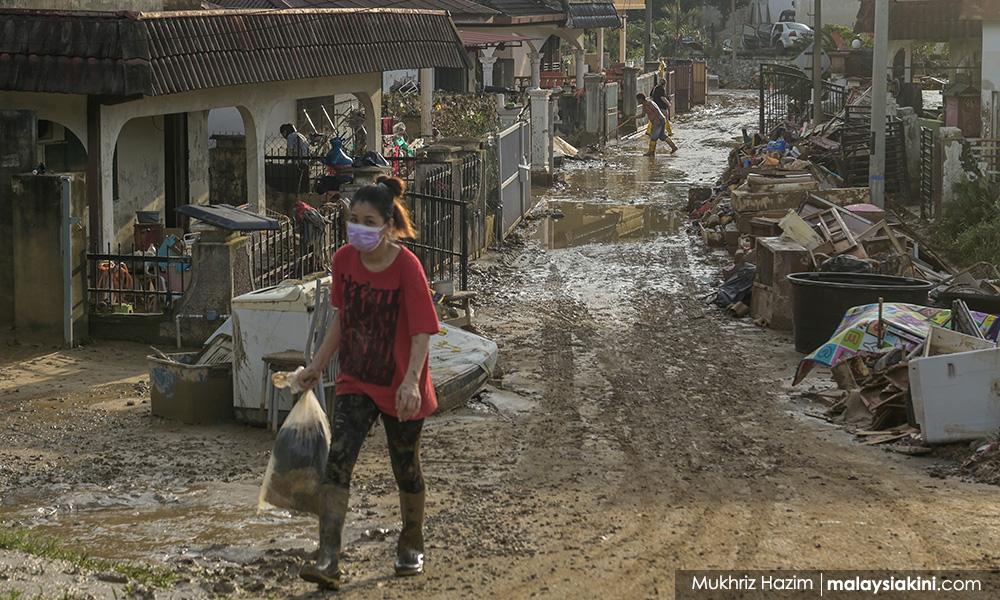
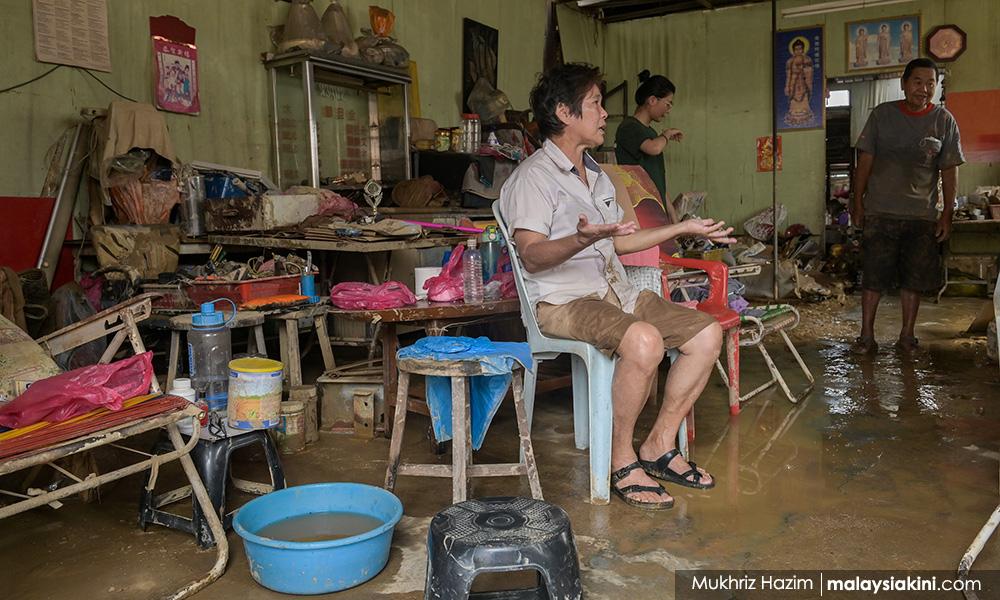
Rescue and relief efforts are continuing after flash floods struck various parts of the country last weekend, with parts of Selangor and Pahang among the worst hit.



Report this comment
Are you sure you want to delete this comment?
This action cannot be undone.