


Envoy: Employers to pledge responsibility in new MOU
The Malaysia-Indonesia memorandum of understanding (MOU) has been renamed and features a new and improved “Aku Janji”, or mandatory undertaking, which will be extended to employers as well.
The MOU, now known as the ‘Employment and Protection of Domestic Workers’ was being finalised and included two new “Aku Janji” versions, said Indonesian Ambassador to Malaysia, Hermono.
The Malaysia-Indonesia memorandum of understanding (MOU) has been renamed and features a new and improved “Aku Janji”, or mandatory undertaking, which will be extended to employers as well.
The MOU, now known as the ‘Employment and Protection of Domestic Workers’ was being finalised and included two new “Aku Janji” versions, said Indonesian Ambassador to Malaysia, Hermono.
He said the two “Aku Janji’ versions would be undertaken by licensed Private Recruitment Agencies (APS) and employers, respectively.
Meanwhile, domestic workers too would undertake a similar oath when they sign the ‘Placement Agreement for Domestic Workers’ before leaving Indonesia, and Hermono said all three parties would undertake these oaths early in the recruitment process.
“The two different ‘Aku Janji’ by the APS and the employer respectively must be undertaken before the domestic worker was brought into Malaysia.
“The oath document for APS formally placed the crucial responsibility of monitoring the welfare of migrant domestic workers on them.

Abiding by terms
“Through stipulated visits to households or calls to the domestic workers, the APS will ensure that employers are abiding by the terms of the MOU and the ‘Aku Janji’,” said Hermono, who goes by a single name.
He said that such checks were already being carried out by most registered agencies and additional responsibilities were still being ironed out.
Hermono said the MoU had been finalised and the “Aku Janji” was part of the annexe document still in discussions.
On Feb 24, Hermono called on the Malaysian government to apply the full extent of the law for non-payment of wages and for all other labour violations as a positive step to educate those who felt that they didn’t need to fulfil their obligations toward domestic workers.
On the same day, migrant activist Alex Ong had questioned the manner by which the previous ‘Aku Janji’ that was an integral part of the Protocol Amending (MOU) 2011 was abolished by way of a letter from the then Labour Department of Peninsular Malaysia (JTKSM) deputy director-general (Operations) Asri Rahman.
The Migrant Care country representative had explained that the protocol was brought about to strengthen the 2006 MOU at a time when Indonesia had placed a moratorium on domestic workers coming to Malaysia to work following the horrific physical abuse of Siti Hajar in 2009.
Ong had also pointed out that until Asri’s letter, the protocol was still being implemented by JTKSM as it was referenced in an official report as recently as 2017.
No more maid online system
Hermono explained the annexe document to the MOU being discussed and outlined the responsibilities of the employer and the employee.
“A new employment contract was drafted in the best interest of both parties,” he said.
He explained the annexe also detailed the operations of the One Channel System (OCS) and that the MoU was pending its integration and test runs.
“Our integrated system was fully government-controlled and has been in operation for many years.
“We will test that both migrant management databases were compatible and that everything was fully operational.
“We are just settling the operations of the entire flow from Indonesia to Malaysia and back,” he explained.
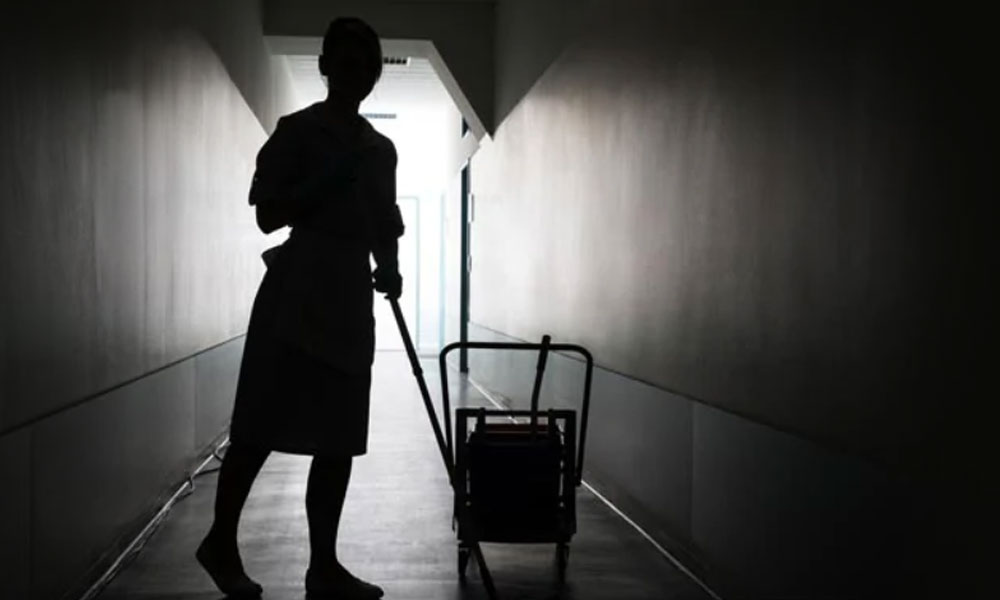
When asked about the continued usage of the highly contentious Maid Online System (MOS), he declared that once the MOU was signed, Indonesian domestic workers could not be recruited into Malaysia through any other system or internet portal other than the OCS.
On Jan 25, Malaysiakini reported that the loopholes and leniencies in the MOS accessible through the Malaysian Immigration Department website had perpetuated trafficking and forced labour elements.
Joint working group
The MOU has also drawn up a working relationship between counterparts from both countries with the formation of a joint working group (JWG) and Hermono said the first meeting would be held six months after the first recruitment.
He said the Indonesian delegation in the JWG would be represented by officials from the Ministry of Manpower, Ministry of Foreign Affairs, the National Agency for the Protection of Indonesian Migrant Workers, also known as BP2MI, and the embassy.
Hermono hoped Malaysia’s delegation to the JWG would be represented by all relevant government agencies.


Report this comment
Are you sure you want to delete this comment?
This action cannot be undone.