



MP: S'wak govt serves Raspberry Pi to schools, but are people using it?
The Sarawak government has been urged to provide a clear and transparent report of its RM12 million program to supply Raspberry Pi-powered computers to primary schools.
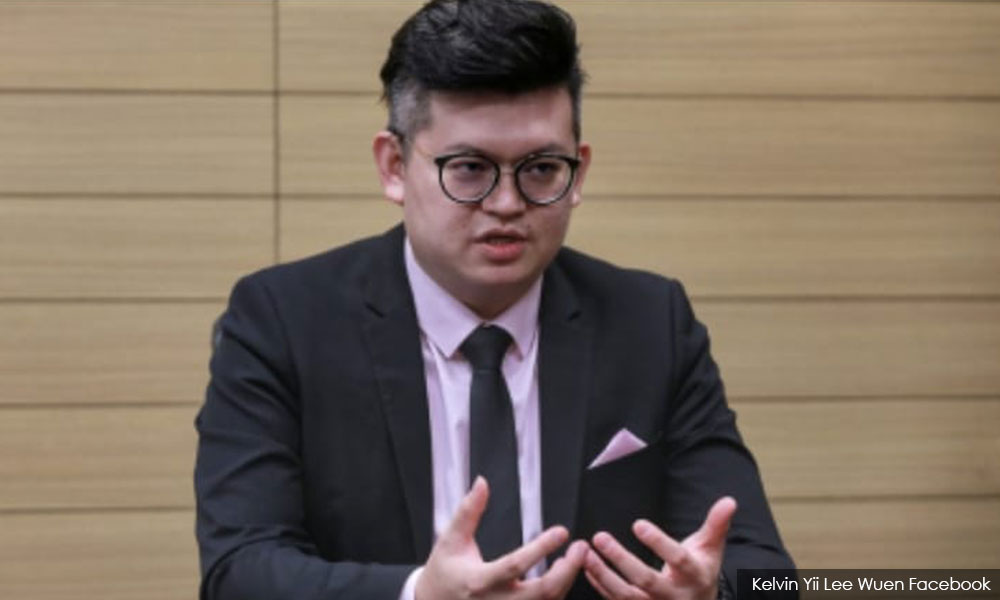
In a statement yesterday, Bandar Kuching MP Kelvin Yii called on the state government to reveal exactly how many units of these computers were supplied and who were the contractors involved.
The Sarawak government has been urged to provide a clear and transparent report of its RM12 million program to supply Raspberry Pi-powered computers to primary schools.
In a statement yesterday, Bandar Kuching MP Kelvin Yii called on the state government to reveal exactly how many units of these computers were supplied and who were the contractors involved.
In November 2020, then state Education, Science and Technological Research (MESTR) Minister Michael Manyin Jawong said each computer - complete with a 19.5-inch monitor, keyboard and mouse - will cost RM1,191.
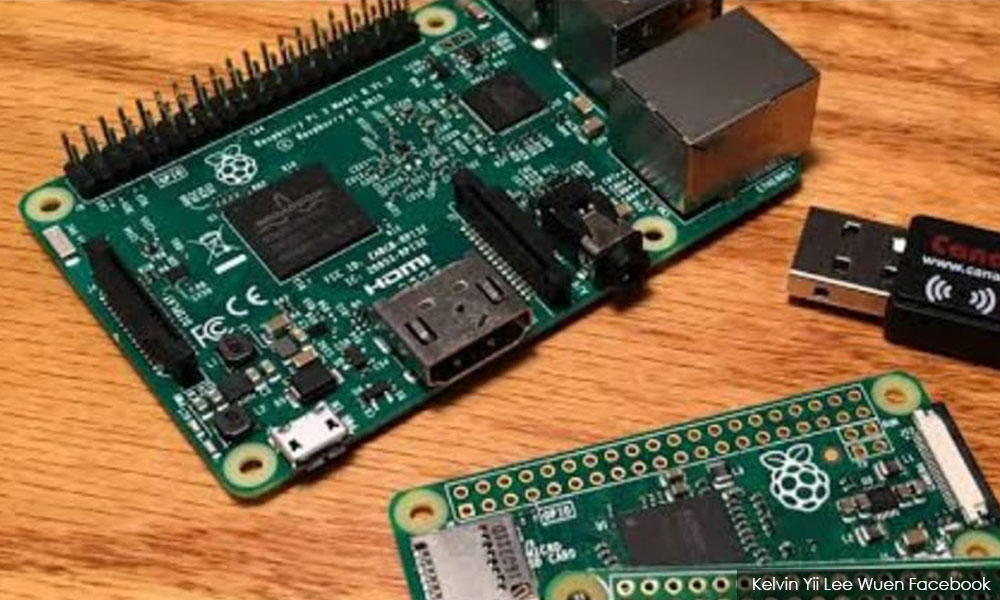
A Raspberry Pi 4 with 2GB Ram would have retailed at RM179 at the time.
The state government's goal was to equip all 1,265 primary schools with basic computers. Each school will be allocated between three to 25 of these computers, depending on the school population.
Yii said a proper report on the efficacy of this programme should also evaluate whether the computers were suitable for teachers and students.
Technical barrier
Anecdotal evidence, said Yii, points to many teachers and school staff struggling with the Raspbian OS operating system that came with the computers instead of Windows or Mac.
"While it may be a good device for engineers and even programmers to utilise to program things on a low-cost device, it may be a bit more complicated, especially for primary school students.
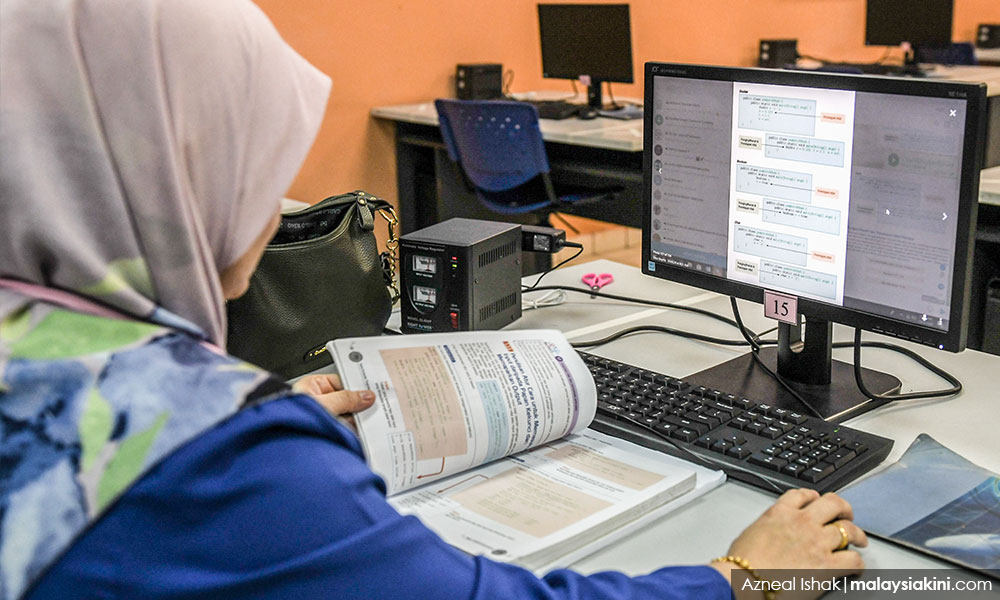
"The teachers were not given proper training on how to adapt to use the device, and this has proven to be a hurdle for it to be effectively used for the full benefit of the students," he said.
Having to learn a new operating system, said Yii, would only add to teachers' existing burdens and that the government should be removing technical barriers rather than adding new ones.
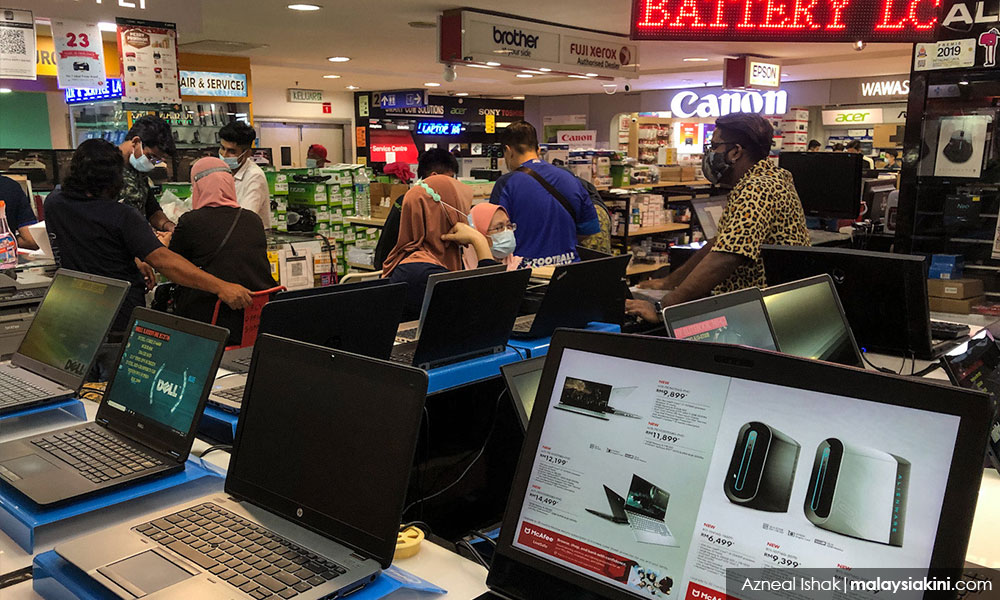
Yii said a solution to this problem was to acquire alternative devices that can run Windows within the same price range.
Another alternative, he said, was to assist students in purchasing "proper" laptop computers that can be used for home-based learning.




Are you sure you want to delete this comment?
This action cannot be undone.