




Health PSSC supports anti-smoking bill but calls for postponement
The Parliamentary Special Select Committee on Health, Science and Technology (PSSC) has thrown its support behind the proposed Tobacco and Smoking Control Bill 2022.
However, the committee called for a delay in its implementation...
The Parliamentary Special Select Committee on Health, Science and Technology (PSSC) has thrown its support behind the proposed Tobacco and Smoking Control Bill 2022.
However, the committee called for a delay in its implementation.
It also wants the bill to not jeopardise the youth's future by criminalising them for possession of tobacco.
During a press conference in Parliament today, the select committee’s chairperson Dr Kelvin Yii (Harapan-Bandar Kuching) proposed that the implementation of the bill be postponed to 2025 to strengthen preparations for effective implementation.
He said that this was to allocate sufficient time to prepare for a proper inter-governmental enforcement framework.
“The committee in principle agrees with the principle of the bill especially to uphold the health and well-being of our people and future generations as well as the need to expedite the regulation of tobacco products including vape, e-cigarettes and non-combustible tobacco products.
“However, we acknowledge the different concerns raised by all stakeholders and see the importance of addressing certain implementation gaps, and to set a mandatory review and monitoring framework to ensure the act achieves its intended target without causing any unintended consequences,” Yii added.
This means that the bill will affect those born after 2008 instead of the earlier proposal of the bill which bans smoking and the ownership of smoking products, including vape, for those born after 2005, he said.
The most drastic law proposed in the bill was criminalising the purchase or possession of tobacco and smoking products for those born on Jan 1, 2007, onwards with a fine of up to RM5,000.
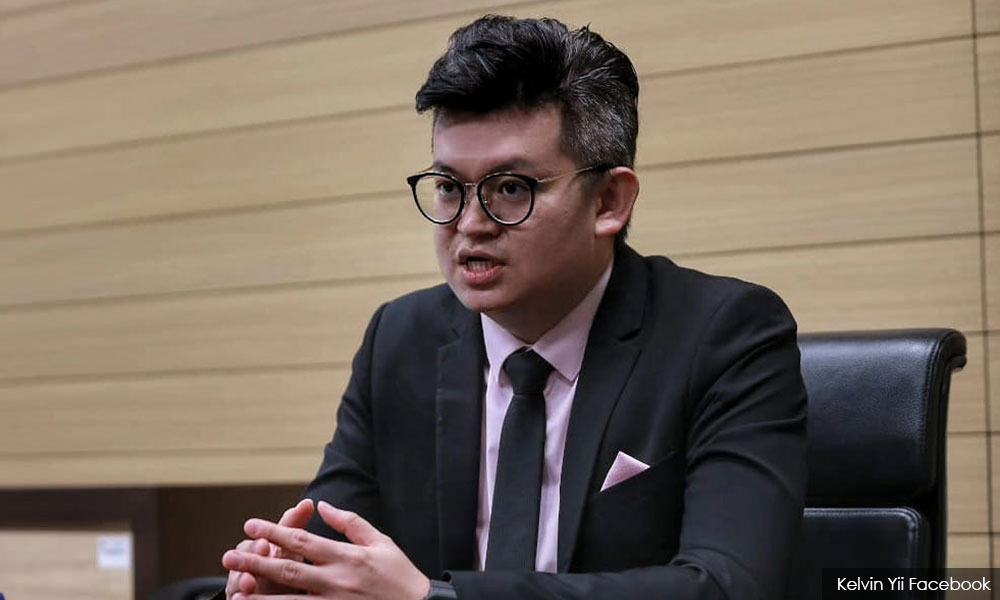
Yii condemned the criminalisation of youth for possession, instead proposing other alternatives such as community service, mandatory counselling sessions and a reasonable fine with a tier system for first-time offences.
Read more: Key features of KJ's anti-smoking bill
“The act proposes a fine of RM5,000, but the government has to come out with a very clear guideline and consider the socioeconomic status of the family.
“If possible, there is no need to compound them but educate them and provide counselling,” he said.
Mandatory evaluation
The select committee’s chairperson also proposed for a two-time mandatory evaluation clause to be tabled in the bill, which will be done by the PSSC and later debated in Parliament.
He mooted that the first evaluation be done in three years to assess the preparedness of the government to fully implement the generational endgame, the need for separate regulations and laws for tobacco products based on emerging science and data.
This would mean the full implementation of the generational endgame will only be done after the mandatory evaluation is debated in Parliament.
The second evaluation, he said, will be done 10 years after the bill has passed, to assess the level of compliance and effectiveness of the act in dealing with the issue of smoking and reducing the number of smokers.
Yii also recommended that nicotine replacement therapy (NRT) be openly marketed over the counter and easily available and that the government needed to intensify its efforts in combating the issue of illicit cigarettes.
The DAP lawmaker called for increased allocations in the Health Ministry’s mQuit programme, recommending that at least 10 percent of the tax collected from the vape industry be allocated to the programme.
The bill is set to be tabled for a second reading in the Dewan Rakyat next week.




Report this comment
Are you sure you want to delete this comment?
This action cannot be undone.