


/file/publisher-c1a3f893382d2b2f8a9aa22a654d9c97/2024/08/c82c5f0159bcb47ed363bea98ca3fb50.jpg)

Innovative way to assist visually impaired Muslims in prayer
MALAYSIANSKINI | The collaboration sparked when three visionary minds - Mohd Ifwat Mohd Ghazali, Muhammad Sukor Romat, and Noor Azzanny Jamaludin - came together within Malaysia’s 3D printing community.
Driven by a shared passion for creating something unique and important, the trio embarked on a groundbreaking journey to create Malaysia’s first 3D models depicting the sacred and intricate positions of Muslim prayer.
Their journey started in...
MALAYSIANSKINI | The collaboration sparked when three visionary minds - Mohd Ifwat Mohd Ghazali, Muhammad Sukor Romat, and Noor Azzanny Jamaludin - came together within Malaysia’s 3D printing community.
Driven by a shared passion for creating something unique and important, the trio embarked on a groundbreaking journey to create Malaysia’s first 3D models depicting the sacred and intricate positions of Muslim prayer.
Their journey started in 2021 when they participated in a competition organised by Balai Seni Lukis Negara.
The competition's theme, “art at location” (Seni Dilokasi), was influenced by the ongoing Covid-19 pandemic.
“We met when we joined hands to print 3D face shields for doctors during the pandemic.
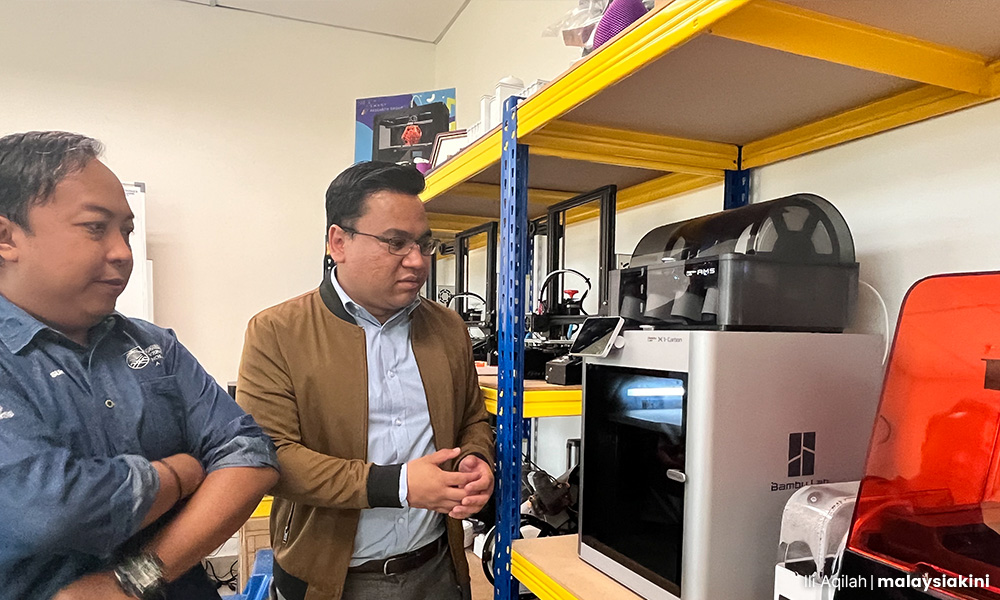
“It wasn’t an official collaboration - just a group with 3D printers coming together. That’s how we became friends,” explained Ifwat (above), who served as a senior lecturer at Universiti Sains Islam Malaysia (Usim).
Art appreciated by all
Their desire to create art that could be appreciated by everyone, including the visually impaired, inspired their models.
“It feels like we hit two birds with one stone - creating something enjoyable for the art community and beneficial for those in need,” said Sukor, a team member from Universiti Teknologi Mara.
“We found out that some visually impaired mothers receive 3D prints of their unborn babies.
“So we thought that perhaps the same concept could be applied to creating prayer models,” he explained.
Another team member, Noor Azzanny, is from Unitar International University.
Bringing idea to life
To ensure their project was accessible, they contacted the Malaysian Muslim Visually Impaired Association (Pertis) to discuss how to bring the idea to life.
After two months of consultations with Pertis and other experts, the team successfully created over 20 3D models of various prayer positions.
To accurately capture the prayer positions, they used a real person to pose for each model, ensuring the 3D representations reflected the correct human structure during prayer.
“Ready-made dolls wouldn’t show the precise positions, and using clay would be too time-consuming and costly,” Ifwat explained.
Each model costs between RM30 and RM60, depending on the position’s complexity, as more intricate poses require additional materials.
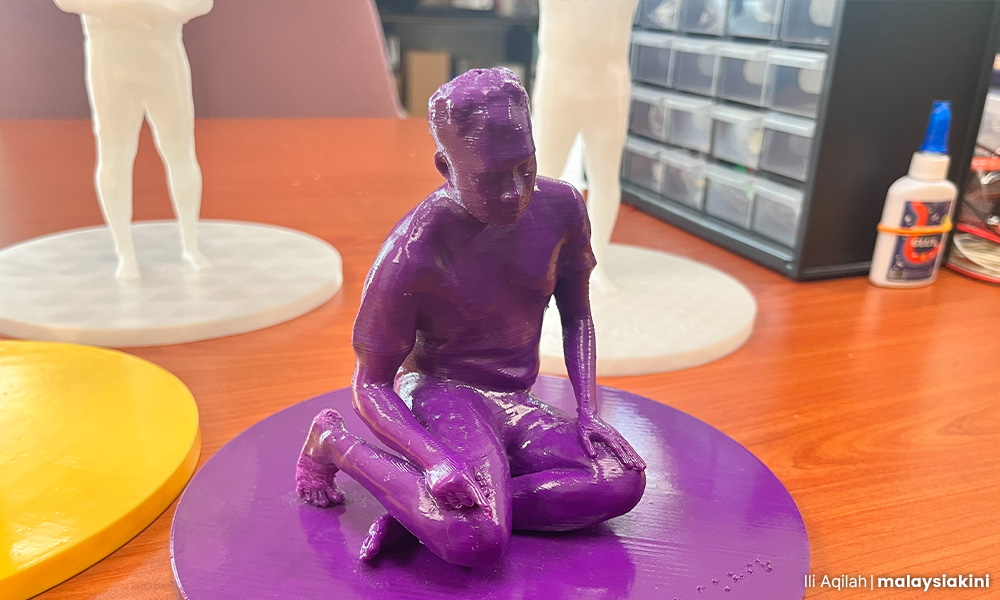
The team used two types of filament for the models: polylactic acid (PLA), which is biodegradable and lasts about six months indoors, and acrylonitrile butadiene styrene (ABS), which is stronger and more durable.
“However, because we kept them indoors and away from heat, even the ones we made years ago using PLA are still good,” Ifwat said.
Model inspection
Initially, it took the team eight to 12 hours to print each model.
However, with advanced printers, they can now produce models much faster. Each model also features Braille writing that describes the prayer position.
After the 3D printing process was completed, Pertis took on the role of meticulously inspecting each model to ensure accuracy.
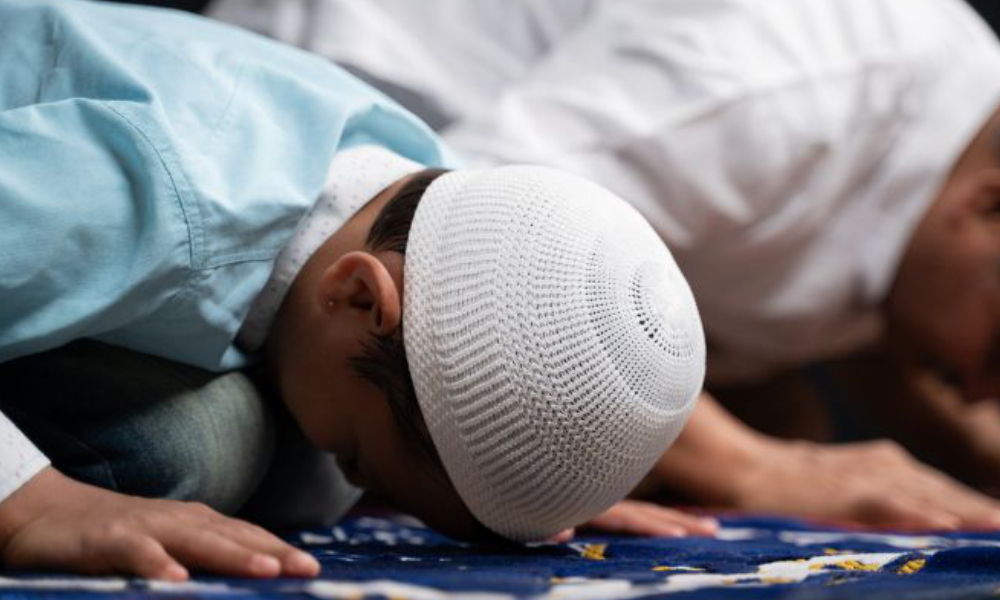
This involved thoroughly examining every prayer position depicted by the models, ensuring that each one was an exact representation of the traditional Islamic prayer postures.
This attention to detail was essential to ensure that the models could serve as a reliable educational tool, particularly for the visually impaired, who rely on tactile feedback to learn.
The meticulous nature of this review process highlighted the importance of accuracy in religious practice and reinforced the team's commitment to creating a product that was both respectful and useful.
“They were very thorough, ensuring every detail was correct, from the direction of the feet to the angle of the bend during rukuk,” Sukor added.
He added that Pertis’ thorough checks ensured that the 3D models were not just visually accurate but also conveyed the correct spiritual posture, making them an invaluable resource for anyone learning how to perform the Islamic prayer.
Greater purpose
The team also consulted peers to ensure the models wouldn’t be mistaken for religious figurines (berhala) and received positive feedback.
Although they didn’t win the competition, the team believes their creations have a greater purpose.
“Before these models, visually impaired Muslims had to rely on physical contact with instructors to learn how to pray, which could be challenging in situations involving male-female interactions.
“The 3D models offer a more accessible learning method,” said Sukor.
In addition to aiding the visually impaired, Ifwat noted that the models could also be used to teach children and Muslim converts how to pray.
“We can print them in various colours, which attracts children’s attention.
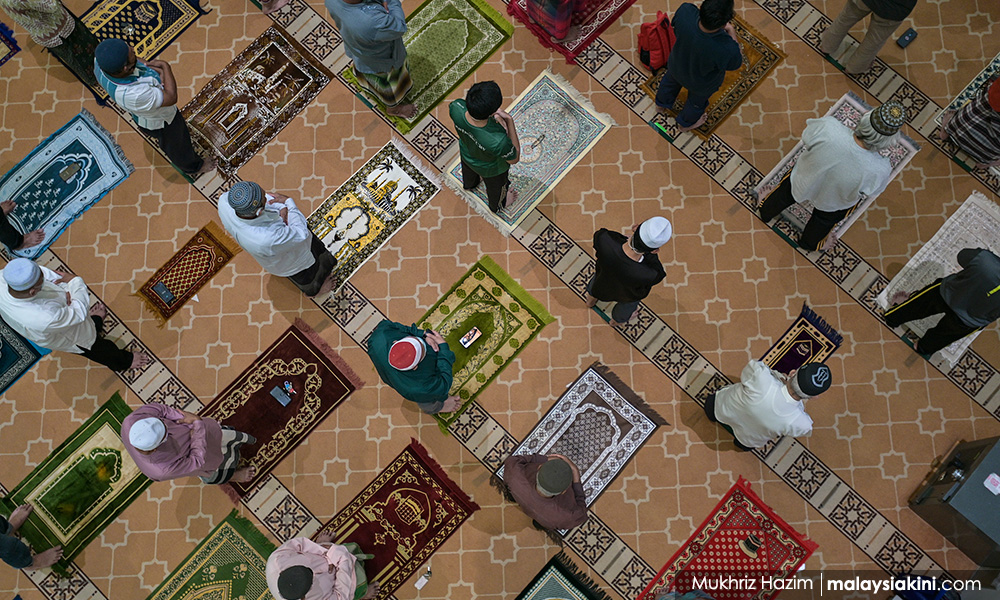
“My autistic niece, for example, was really interested in learning how to pray once he saw the models. This made us realise the potential to expand this idea,” he added.
The models are available at Usim’s mosque, but the team is open to collaborations.
“We did get a request from a school who wanted the models. However, that is still under discussion due to budget limitations.
“The possibilities are limitless, and we’re open to working with anyone interested in using or expanding these models,” Ifwat concluded.
MALAYSIANKINI is a series on Malaysians you should know
20 years on, FreedomFilmFest still all about nation-building
Borneo Komrad activist dedicates life to being voice of the unheard
From first graduate in family to Harvard-trained global neurosurgeon
From astronaut ambition to advocacy through animation
How Kurosawa and punk rock shaped Finas chairperson
'Braderwheelchair’ rues poor disabled access in Klang Valley
/file/publisher-c1a3f893382d2b2f8a9aa22a654d9c97/2024/04/36583c7ca197202860a6204e59621824.jpg)
/file/publisher-c1a3f893382d2b2f8a9aa22a654d9c97/2024/05/836ff98f7764fd16ffb0a85b4c49f820.jpg)
/file/publisher-c1a3f893382d2b2f8a9aa22a654d9c97/2022/12/d359ca7572d10205ca8935c46641ede9.jpg)


Report this comment
Are you sure you want to delete this comment?
This action cannot be undone.