


/file/publisher-c1a3f893382d2b2f8a9aa22a654d9c97/2024/09/d14750dc0eae8d6aea68c3e39f5ec12b.jpg)

PAS muktamar: Of 'patin', party's direction and political rivals
PAS MUKTAMAR | The district known for its patin (silver catfish) has begun welcoming PAS delegates from across the country since yesterday, with the climax expected on Sunday. The exact location is Kerdau, Temerloh, which will witness the 70th PAS muktamar.
The local delicacy, gulai patin tempoyak (silver catfish cooked with curry and fermented durian), is expected to be in high demand throughout this week, to the extent that it may not even be available for “export” out of Temerloh.
Approximately 5,000 delegates from across the nation are expected to attend PAS’ grand event, which will be held at the Al-Makmur Complex in Kerdau.
In the context of PAS’ history, Temerloh will remind us of a former stalwart, the late Suhaimi Said, who is a lawyer and PAS activist known for his unwavering commitment to the struggle and was detained twice under the Internal Security Act (ISA).
The blood-stained Lubuk Merbau tragedy...
PAS MUKTAMAR | The district known for its patin (silver catfish) has begun welcoming PAS delegates from across the country since yesterday, with the climax expected on Sunday. The exact location is Kerdau, Temerloh, which will witness the 70th PAS muktamar.
The local delicacy, gulai patin tempoyak (silver catfish cooked with curry and fermented durian), is expected to be in high demand throughout this week, to the extent that it may not even be available for “export” out of Temerloh.
Approximately 5,000 delegates from across the nation are expected to attend PAS’ grand event, which will be held at the Al-Makmur Complex in Kerdau.
In the context of PAS’ history, Temerloh will remind us of a former stalwart, the late Suhaimi Said, who is a lawyer and PAS activist known for his unwavering commitment to the struggle and was detained twice under the Internal Security Act (ISA).
The blood-stained Lubuk Merbau tragedy in 1985 and Operasi Lalang in 1987 led to his detention in Kamunting Detention Camp for two years and six months, respectively.
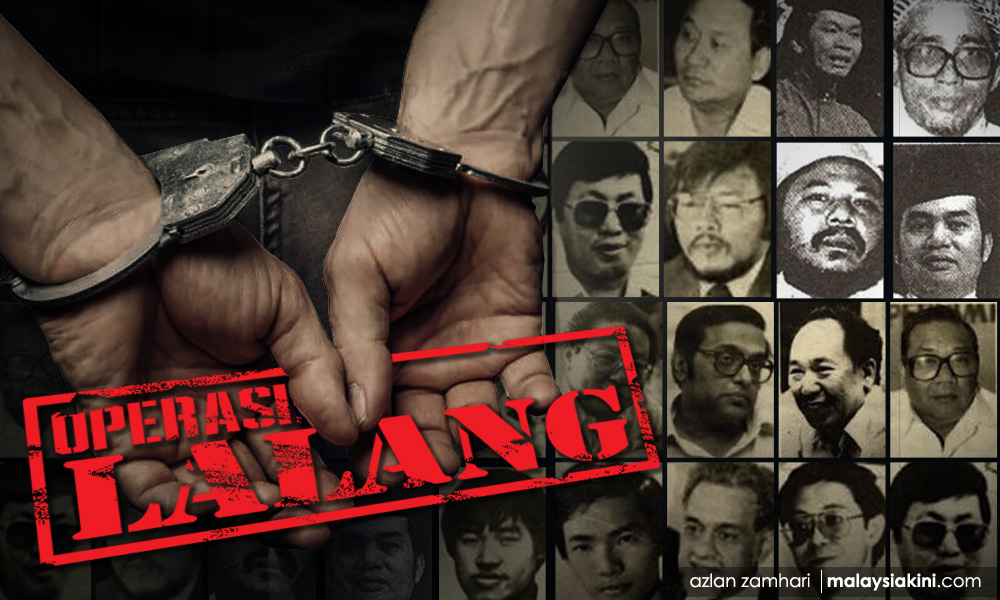
However, Suhaimi later took his political activism to PKR before passing away on Nov 5, 2013, due to bone and liver cancer.
No party polls
This year’s PAS annual general meeting marks more than 70 years of the party’s presence in national politics. The party has faced various challenges and leadership changes over the decades.
A party election is not on the agenda for this meeting; hence, the focus is expected to be on strengthening bonds among leaders at various levels and wings, as well as engaging with members and hardcore supporters.
Moreover, leadership within PAS is not usually a question during each muktamar, as long as its president, Abdul Hadi Awang, is at the helm to steer the party’s political direction.
Although the PAS hierarchy places its spiritual leader at the top, the current situation shows Hadi taking the forefront instead and becoming the focus in many aspects of the party.
The situation was different in the past. When the late Nik Abdul Aziz Nik Mat was the spiritual leader, he was a prominent leader and became a key figure and point of reference on current issues, both domestically and internationally.
Hadi now holds the record for the longest tenure as president, with his time in office reaching 22 years by the next election.
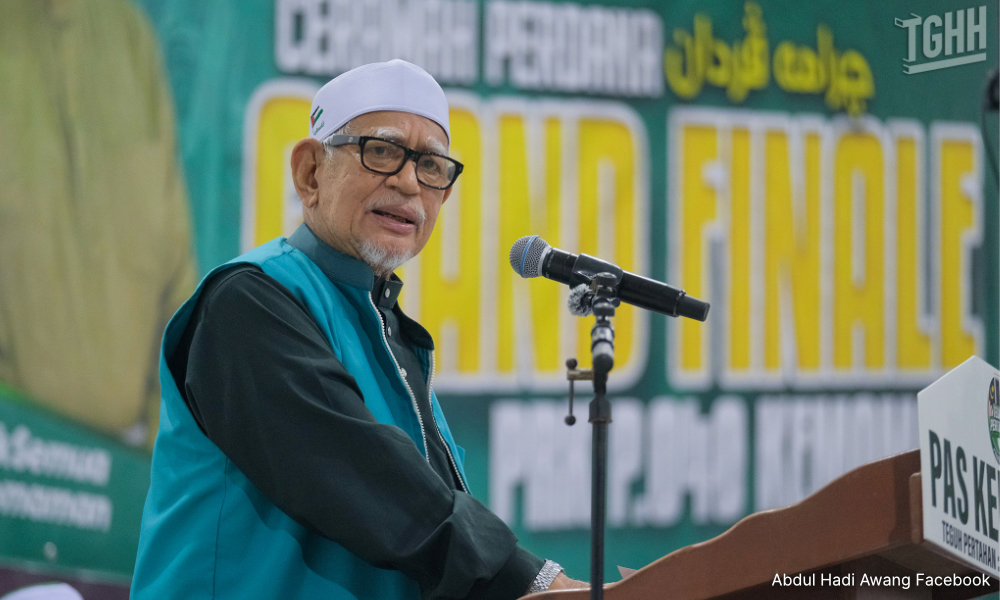
The Marang MP has created a wide gap between his era and his potential successors. Inadvertently, he has set a challenging benchmark for ensuring that PAS continues to be influential throughout the country.
Given these considerations, who is the most suitable person to inherit the party's leadership? Everything remains uncertain.
For PAS, becoming the president or spiritual leader means one must be influential in terms of being erudite, being a capable leader, and having the strong support necessary to be elevated as the highest leader of PAS.
The leadership transition process that needs to be held next year could also pose its own challenge if not handled delicately.
Nevertheless, let this be PAS’ recipe. But when the PAS family gathers, an important aspect is also to “refresh” the loyalty of grassroots supporters to deepen and solidify it.
Loyalty and support from the majority of members are undoubtedly a simple formula for a political organisation to remain competitive and gain support.
Issues and resolutions
In this muktamar, attention should also be given to the resolutions that will be proposed, debated, clarified, and accepted to be adopted as new policies or decisions.
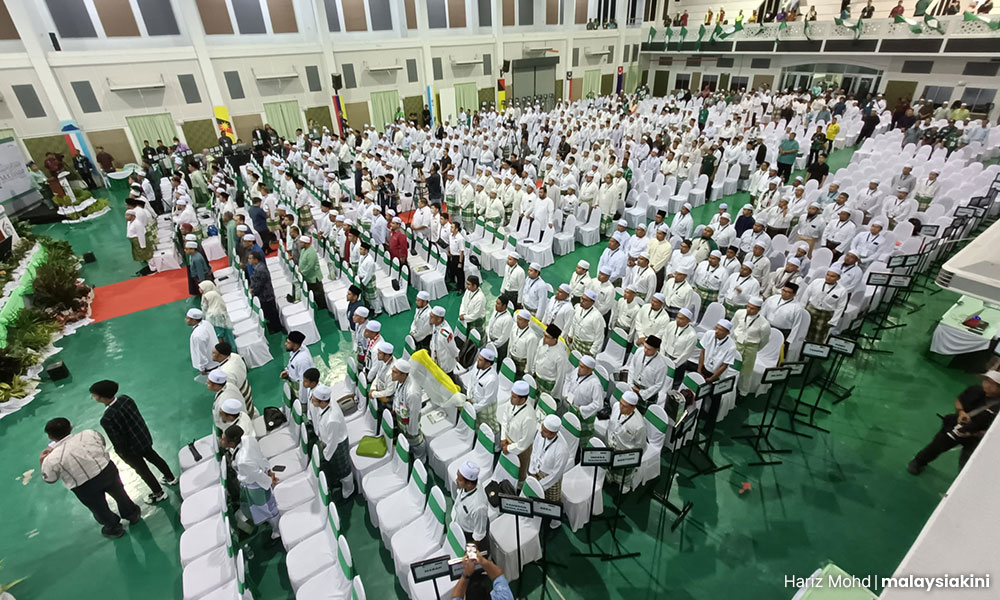
Issues that have been circulating, such as rumours of PAS joining the unity government, are among the topics that may be brought up by delegates.
This issue may not necessarily be raised as a proposed resolution, but it can also be discussed so that the party can make a decision, preventing it from becoming a subject of speculation and rumours.
Additionally, the cooperation with Gerakan may be a topic touched upon by delegates following recent controversies.
This comes after Penang PAS Youth openly welcomed Gerakan’s deputy president Oh Tong Keong’s statement that party would not hesitate to leave Perikatan Nasional over differences with PAS on the issue of Chinese education.
Even though the conflict has subsided, PAS certainly does not want such incidents to recur and become a liability to their struggle.
PAS leaders are also expected to focus on explaining the establishment of SG4 Group Sdn Bhd - a collaboration between four PN states.
The corporate planning and strategies behind the effort to boost the economic performance of the opposition-held states need to be communicated to their supporters.
At the very least, there will be plenty of topics for supporters to discuss while enjoying the delicious gulai patin tempoyak with their friends.
Furthermore, the credibility of PAS’ mouthpiece Harakah is also expected to be touched upon by delegates, whether in terms of performance, reception, finances, and challenges.
For example, concerns were raised the court ordered Harakah to repay a large debt to its former printer.
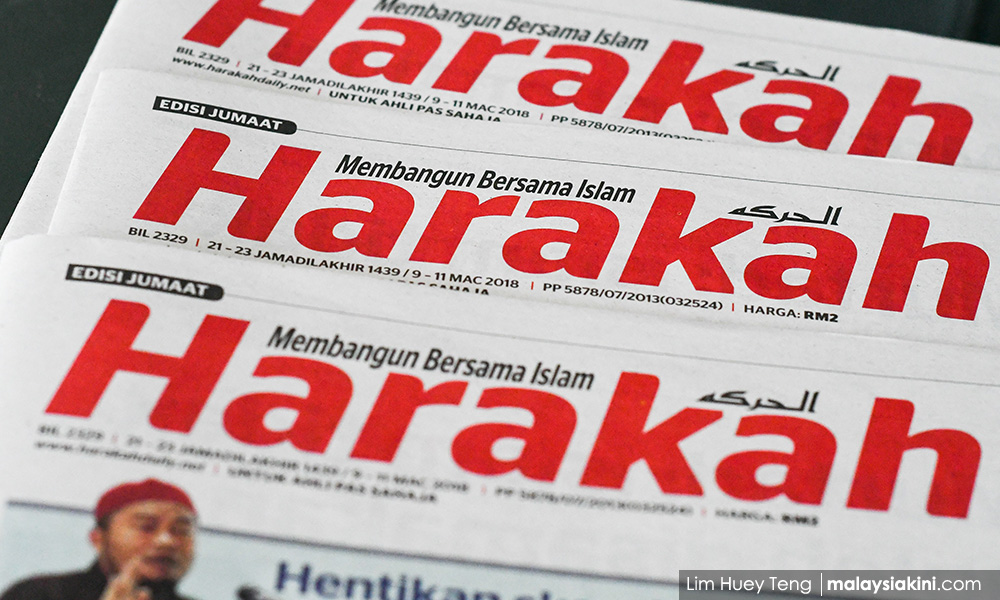
Has this affected the party’s financial reserves, compared to sales revenue and party members’ reception towards the newspaper?
Harakah was also not spared from mistakes, such as when it shot itself in the foot by reporting on the absence of counter staff at Air Kelantan Sdn Bhd (AKSB) recently, only to apologise when its report was debunked.
Party’s direction
It is also crucial to consider how much this PAS muktamar will discuss the party’s direction in facing future challenges.
Questions such as the memorandum of understanding with the federal government, cooperation within PN, and strategies to face the possibility of more by-elections or the Sabah state election next year are also expected to receive attention.
After PN’s failure to defend the Nenggiri state seat recently, PAS’ performance, particularly in Kelantan, is undoubtedly tarnished.
This situation indicates a weak point in the PN coalition despite their significant success in the 15th general election.
Considering PAS’ track record of political cooperation in the past, it is not impossible that a new approach may be taken, which could have a positive impact.
For example, how would PAS intend to attract non-Malay supporters when the performance of its coalition partner, Gerakan, has been modest at best?
Even the PAS Supporters Wing (DHPP), which comprises non-Muslim supporters of the party - seems somewhat lacklustre and generally less prominent.
This is unless the proposal to make DHPP an official wing of the party is approved, which would demonstrate PAS’ seriousness in attracting non-Malay interest.
If not, DHPP will remain stagnant and comfortable being perceived as just another MIC branch.
It would give a clue as to whether PAS would rather retreat into its strongholds in the countryside, such as East Coast states with its many religious schools.
Political rivals
The PAS muktamar stage would not be complete without witnessing harsh, sharp criticism directed at its political rivals.
The performance of the Madani government led by Prime Minister Anwar Ibrahim and his deputies, particularly Ahmad Zahid Hamidi, is expected to be “roasted” thoroughly by delegates or leaders on stage.
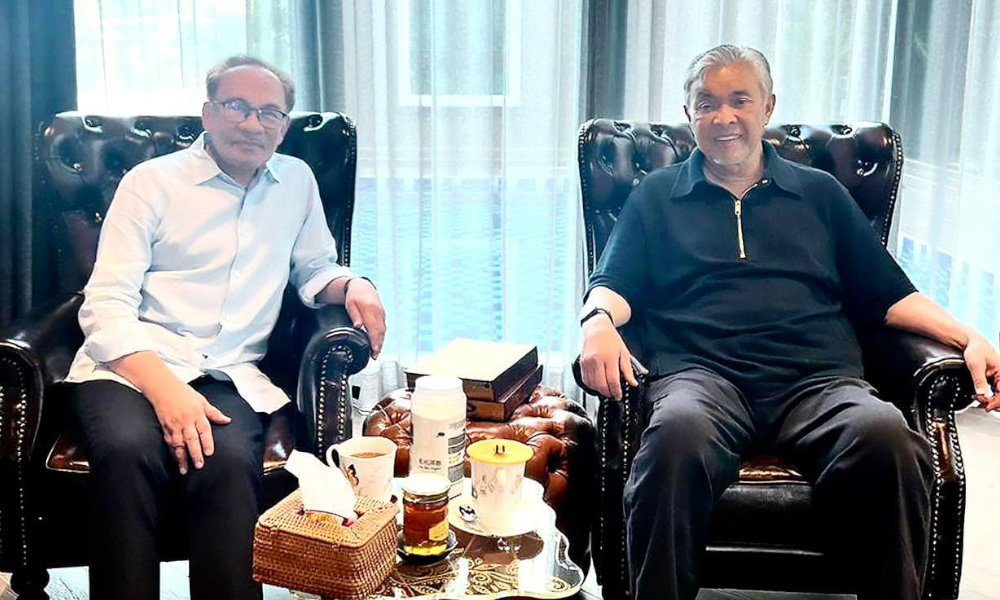
Current controversies, such as the halal certification issue, will surely provide PAS with the perfect opportunity to deride the federal government.
Criticism targeting DAP, in particular, is sure to be severe and resonates well with delegates and their supporters.
Furthermore, the clashes between outspoken leaders of the unity government are also expected to become a narrative on the muktamar stage, such as quarrels between DAP and MCA leaders who seem to lack synergy despite being part of the same government.
The same goes for the vocal criticisms from Umno youth leaders towards the federal government on current issues.
Such matters can be expected to further fuel debates to heat up the muktamar stage.
/file/publisher-c1a3f893382d2b2f8a9aa22a654d9c97/2024/09/cddca9afb03467fa2cd532593c762be5.jpg)
/file/publisher-c1a3f893382d2b2f8a9aa22a654d9c97/2024/09/b11cd303d7b89948306cdac462fc0333.jpg)
/file/publisher-c1a3f893382d2b2f8a9aa22a654d9c97/2022/03/9f5c72164b576f58518c3b6d95a0d199.jpg)
/file/publisher-c1a3f893382d2b2f8a9aa22a654d9c97/2024/02/494ba5cd8589e946385c75612bf37500.jpg)
/file/publisher-c1a3f893382d2b2f8a9aa22a654d9c97/2024/09/69d573cda15eb188a7ecbae4b8593a2c.jpg)


Are you sure you want to delete this comment?
This action cannot be undone.