


/file/publisher-c1a3f893382d2b2f8a9aa22a654d9c97/2023/05/0f3491bc9d88228e653b9cbed75ddc38.jpg)

KRI: Dengue, heat-related illnesses up with climate change, but planning poor
More dengue cases and other heat-related illnesses are expected in Malaysia with rising temperatures and extreme weather related to climate change, the Khazanah Research Institute said.
KRI said this will place pressure on public health infrastructures and hurt the most vulnerable.
Children, senior citizens, and general workers are at risk unless the government makes...
More dengue cases and other heat-related illnesses are expected in Malaysia with rising temperatures and extreme weather related to climate change, the Khazanah Research Institute said.
KRI said this will place pressure on public health infrastructures and hurt the most vulnerable.
Children, senior citizens, and general workers are at risk unless the government makes serious attempts to address it, it added in its reports released this month.
However, the KRI lamented there is still no proper planning on the impact of such weather patterns on public health.
The research institute said Malaysia’s annual surface temperature in the past three decades has steadily increased from 2013 onwards by at least one degree Celcius higher than the average surface temperature during the 1951-1980 period.
In 1998 and 2016, it was higher by 1.21 degrees Celcius and 1.66 degrees Celcius, respectively.
Even if global emissions begin decreasing in 2050, Malaysia may experience an average maximum temperature of 34.7 degrees Celcius compared to the present average of 32.7 degrees Celcius.
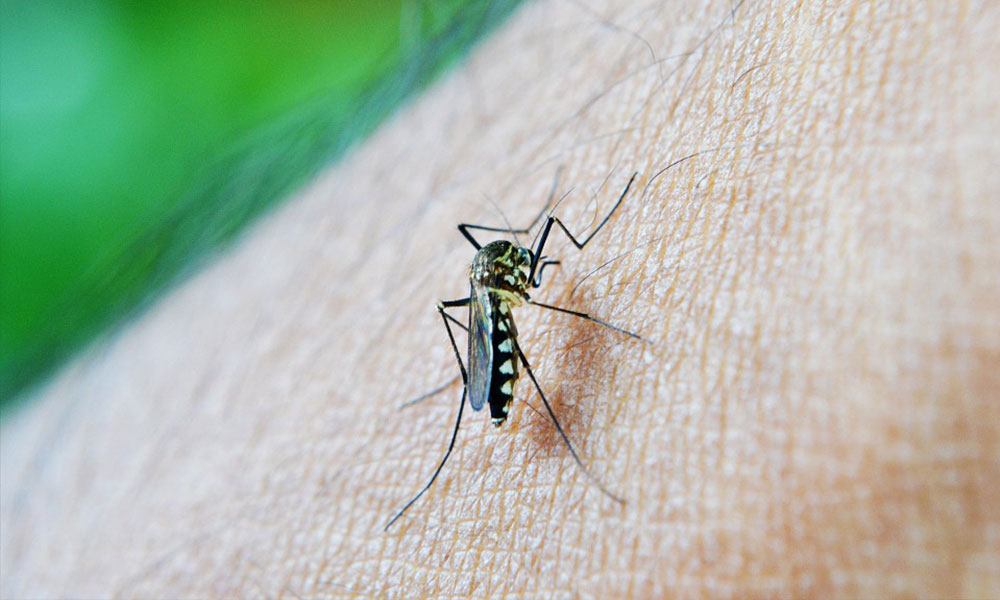
The rise in temperature would lead to more vector-borne diseases such as dengue, malaria and chikungunya.
“Higher temperatures shorten the incubation period of Aedes mosquitoes, leading them to mature at a faster rate thus exponentially increasing their population. Hence, as temperatures increase, the rising population of Aedes mosquitoes may translate into an increase in dengue cases in Malaysia,” KRI said.
The findings were noted in the reports “Navigating public health in a hotter Malaysia” and “What climate change can mean for our children’s health” released this month.
Fatal heatstroke, respiratory illness
KRI said during the 2015-2016 El Nino in Malaysia, there were 200 cases of heat-related illnesses, of which two were fatalities resulting from heatstroke.
Subsequently, in the 2023-2024 El Nino occurrence, a total of 127 cases of heat-related illnesses were reported with five deaths (two fatalities in 2023 and three fatalities in 2024).
Of the 127 reported cases, 11.8 percent (15 cases) were for heat cramps, 69.3 percent (88 cases) were for heat exhaustion, and the remaining 18.9 percent (24 cases) were due to heatstroke.

The young are also more at risk as worsening air quality and seasonal haze may affect their developing lungs and immune systems thus increasing their risk of developing asthma, bronchitis, and other respiratory illnesses.
During the 2023-2024 El Nino event in Malaysia, a total of six children aged 12 and below, and 25 teenagers aged 13 to 18 were reported to have heat-related illnesses (HRI). Of those, three children under the age of five died.
The elderly, aged 65 and above, are also more vulnerable to heat-related illnesses, as their bodies are less adaptive to temperature changes and are unable to adjust to the increase in temperatures well, it said.
Ischaemic heart disease may also worsen in higher temperatures, including cerebrovascular diseases, such as stroke, aneurysm, carotid artery diseases, chronic lower respiratory diseases, and diabetes.
READ MORE: When the water rises: A Malaysian climate change story
Workers at risk, too
Working in high temperatures also poses occupational health hazards as it limits a worker's physical abilities, work efficiency, and overall productivity leading to health issues of heat-related illnesses such as heat exhaustion or heat stroke.
Workplaces with inadequate ventilation and an absence of cooling systems can further exacerbate occupational hazards that are associated with heat.
Certain protective clothing required in heavy industries may restrict sweat evaporation and thus limit the worker’s ability to cool themselves.
P-hailing workers riding on motorcycles are also at risk from direct and prolonged exposure to UV rays as well as extreme environments and temperatures as a result of climate change.

No planning for health impact
Despite data showing sustained increases in temperature, the KRI found a lack of proper planning on the effects of such weather conditions on public health.
Of all the government policies, only the National Environmental Health Action Plan from the Health Ministry was the most comprehensive in outlining the appropriate strategies needed to manage climate change yet most of its emphasis has been on dengue, malaria, as well as food safety and water-borne diseases, the research institute found.
It said that the government should instead develop a heat-health action plan to manage heat-related impacts, particularly on health, that covers aspects such as preparation, response, and recovery strategies at national, regional, and local levels.
It calls for a focus on protecting vulnerable populations, such as the elderly, children, and those with pre-existing health conditions.
There is also a need to have detailed monitoring of heat-related illnesses from hospital admissions, and mortality rates to understand the full impact of extreme heat events.
More heat-sensitive public infrastructure and facilities are needed, as well as a study on building cooling centres for the populations to seek refuge from the heat and act as lifesaving facilities during extreme heat events, the KRI said.
There is also a need to draft decent work practices to protect workers and maintain productivity in warmer climates.
/file/1038/191b0d0dbdc6b47f909fed1e9a9b4950.jpg)
/file/publisher-c1a3f893382d2b2f8a9aa22a654d9c97/2023/04/fca5a7244080db266f4143dd1672319f.png)
/file/publisher-c1a3f893382d2b2f8a9aa22a654d9c97/2022/08/2fd189a1e5bbb88cc2018cd2107a8664.jpg)
/file/publisher-c1a3f893382d2b2f8a9aa22a654d9c97/2024/03/5ba6c4be2e3e1adbcaef0190d3188e58.jpg)
/file/1295/cd384a07190133499d7635acba1df472.jpeg)
/file/publisher-c1a3f893382d2b2f8a9aa22a654d9c97/2023/10/b701e58fa445f549c9b5a9a81c8ee8c3.jpg)
/file/publisher-c1a3f893382d2b2f8a9aa22a654d9c97/2023/09/e0c122ba666b5ea999e51558cc8688b9.jpg)


Are you sure you want to delete this comment?
This action cannot be undone.