


/file/publisher-c1a3f893382d2b2f8a9aa22a654d9c97/2025/01/ae57628fa090c164f1a03a04b212e7b3.jpg)

Canadian NGO says Online Safety Bill misses point, won't work
A Canadian NGO believed that Malaysia’s Online Safety Bill 2024 which the Parliament passed in December last year won’t work.
In a speech at a forum today, Centre for Law and Democracy executive director Toby Mendel admitted the need to address the law regarding online harms but said the Malaysian government has gone about it the wrong way.
"I think the law...
Summary
Centre for Law and Democracy's Toby Mendel says the Online Safety Bill 2024 will not work.
The Canadian NGO executive director says the government has gone about addressing online harms the wrong way.
He identifies four structural issues within the Online Safety Bill.
A Canadian NGO believed that Malaysia’s Online Safety Bill 2024 which the Parliament passed in December last year won’t work.
In a speech at a forum today, Centre for Law and Democracy executive director Toby Mendel admitted the need to address the law regarding online harms but said the Malaysian government has gone about it the wrong way.
"I think the law (Online Safety Bill) misses the point," Mendel (above) said during the launch of the "Media Law Reform Blueprint" report.
On Dec 11, the Online Safety Bill was passed at the final reading through a bloc vote. A total of 77 MPs voted for the bill, 55 voted against it, and 90 were absent.
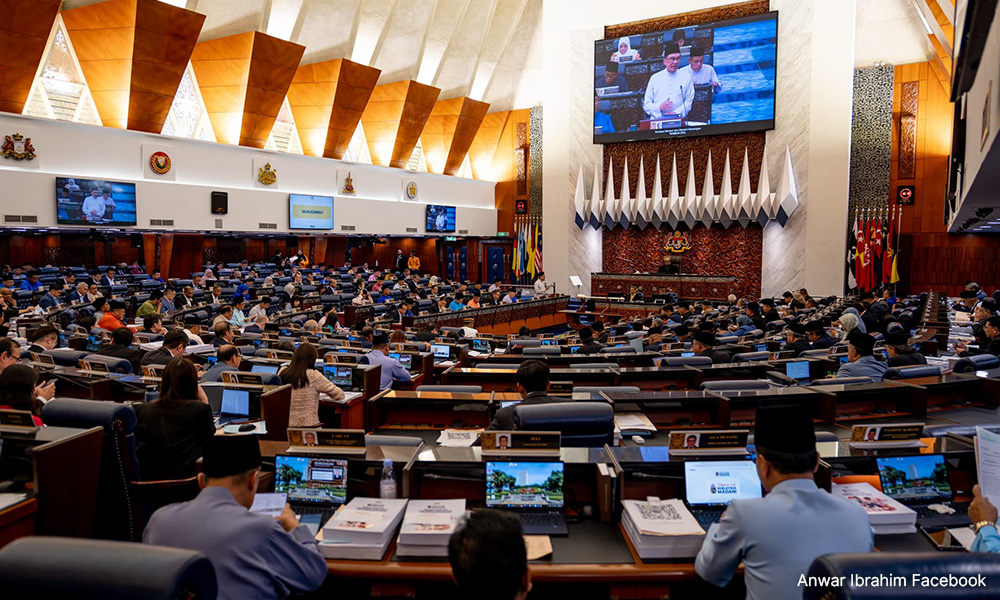
During parliamentary debates on the bill, opposition MPs recommended it be withdrawn and referred to the relevant parliamentary special select committee.
At the same time, Article 19 and the Centre for Independent Journalism issued a joint statement, saying it has the strong potential to undermine freedom of expression in Malaysia.
They also raised concerns over the Malaysian Communications and Multimedia Commission being granted excessively broad powers while also lacking independence from the government.
The Online Safety Advocacy Group also expressed concerns about the bill, warning that laws must balance the need for protection with the fundamental right to freedom of expression.
Issues with legislation
Mendel highlighted four issues with the legislation, the first being the way it distinguished between "harmful content" and "priority harmful content".
According to the bill, “harmful content” includes those that promote violence or cause harassment, while “priority harmful content” involves content such as child sexual abuse material and financial fraud.
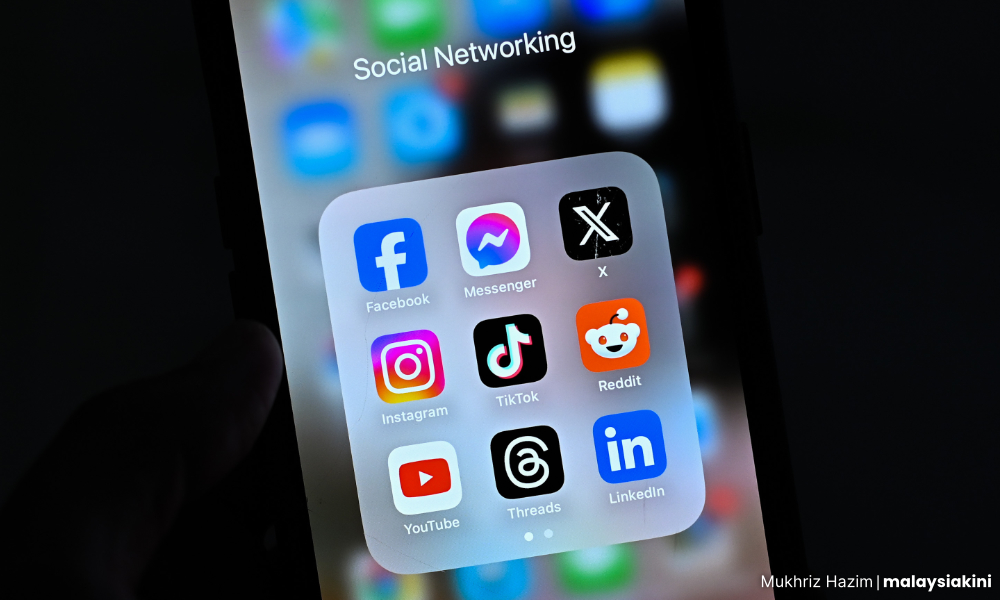
"Those are the two terms that are used throughout the law. That's just not the right distinction.
"Other laws distinguish between illegal content, content which is illegal, so it's not allowed under the new legislation, and content which, although it's legal, is still harmful," Mendel explained.
The second issue was with the definition of harm, which he said was too broad and vague.
Content restriction laws in Malaysia tend to focus on the idea of annoying, offending or inconveniencing people, instead of actions that propagate harm, he added.
Thirdly, he said the Act provides only one response for harm, which is to take down the content.
"But (social media) platforms have an enormous array of tools at their disposal to address content which is harmful in ways other than taking it down. The first thing is they should stop boosting it," he said.
Other reactions could be to compel social media platforms to refer people to the truth, he said.
Additionally, he said piecemeal measures of taking down content will not work due to the volume and speed of content online.
Lacking structural approach
The final issue with the Online Safety Bill is that it lacks a structural approach to address systemic issues with cyber harms, Mendel added.
He pointed to the European Union (EU) as an example as it had just forced an obligation on social media platforms to perform a human rights due diligence assessment annually.
Starting in February last year, the EU enforced a regulation called the Digital Services Act 2024 across member countries.
Mendel further explained that the Act requires large and very large platforms to assess the impact of their operations on children, freedom of expression, privacy, equality, health, elections, and more.
"So, there are some challenges for Malaysia in putting in place a structural approach, but the Online Safety Bill is not going to work.
"We need to move towards a much more structural approach," he concluded.

The Online Safety Bill imposed legal responsibilities for application service providers, content applications service providers, and network service providers to control the content being channelled through their services.
Additional responsibilities include the duty to users to implement measures to mitigate the risk of exposure to harmful content, the duty to issue guidelines to users, and the duty to protect the online safety of child users, among others.
Those who fail to carry out these responsibilities will be liable to a financial penalty of up to RM10 million.
/file/publisher-c1a3f893382d2b2f8a9aa22a654d9c97/2021/03/66445c953098ddaa72a9a3af0200ff5b.jpg)
/file/publisher-c1a3f893382d2b2f8a9aa22a654d9c97/2024/08/6cabe2b4853cdb163548e95613113034.jpg)
/file/publisher-c1a3f893382d2b2f8a9aa22a654d9c97/2024/11/313d25b09ecec3081a036bbca984a9d9.jpg)
/file/publisher-c1a3f893382d2b2f8a9aa22a654d9c97/2022/07/bf941cc01b9ae9cfdc68ee69982bc3be.jpg)
/file/publisher-c1a3f893382d2b2f8a9aa22a654d9c97/2024/12/83700707d87dec2cbdbb34eda95b8538.jpg)
/file/publisher-c1a3f893382d2b2f8a9aa22a654d9c97/2024/10/fa6a46e9391c7f3b132be9793c8de06e.jpg)
/file/publisher-c1a3f893382d2b2f8a9aa22a654d9c97/2021/06/6966be602205d8bffff5d66152fad3a9.jpg)


Report this comment
Are you sure you want to delete this comment?
This action cannot be undone.