


/file/publisher-c1a3f893382d2b2f8a9aa22a654d9c97/2025/05/64e0c01d48cd1ddccdb52bb8852a7e17.jpg)

Ex-minister: UEC debate reflects differing priorities between peninsula, Bornean states
The ongoing debate over the Unified Examination Certificate (UEC) reflects broader differences in political and social priorities between Peninsular Malaysia and Borneo states, said former minister Salleh Said Keruak.
He pointed out that while Sabah and Sarawak take a practical approach to UEC by recognising the system, the same cannot be said for the peninsula.
The ongoing debate over the Unified Examination Certificate (UEC) reflects broader differences in political and social priorities between Peninsular Malaysia and Borneo states, said former minister Salleh Said Keruak.
He pointed out that while Sabah and Sarawak take a practical approach to UEC by recognising the system, the same cannot be said for the peninsula.
“In Peninsular Malaysia, UEC is often linked to national identity, the Malay language, and the national education system.
“As a result, what should be an issue of academic qualification often turns into a political debate,” the former Kota Belud MP said on Facebook today.
Two days ago, the Higher Education Ministry announced that graduates of Chinese independent secondary schools can now enter public universities for four courses related to Chinese studies.
The ministry said graduates who sat for UEC will be eligible to apply for the Bachelor of Arts in Chinese Language Studies with Honours and the Bachelor’s Degree in Chinese Language and Linguistics.
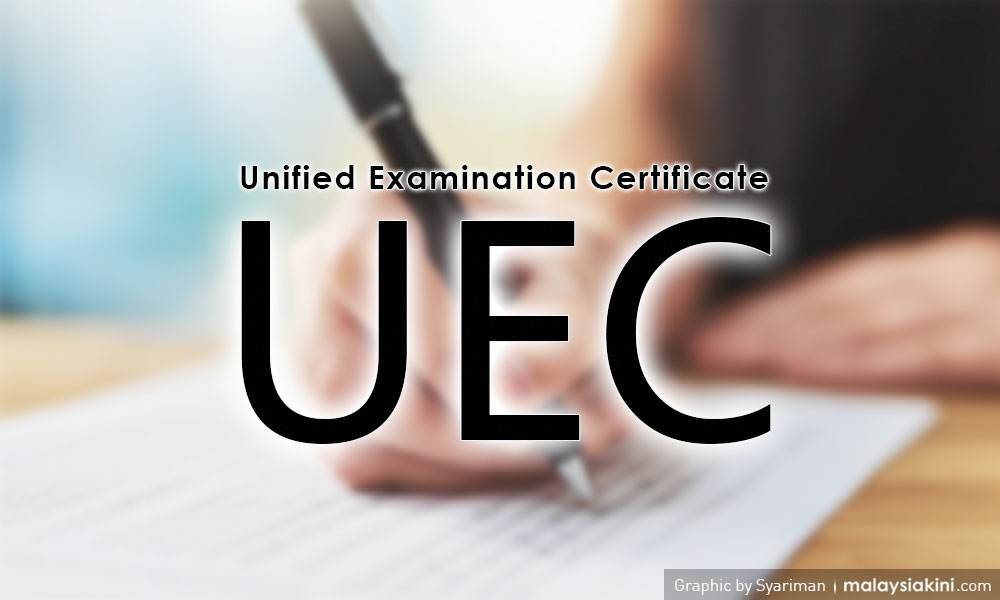
The other two programmes are the Bachelor of Arts in Chinese Studies and the Bachelor’s Degree in Chinese Language with Education.
READ MORE: Was a UEC education worth it? Graduates weigh pros and cons
For candidates from tahfiz schools or institutions, among the identified programmes are Diploma and Bachelor’s Degree in Dakwah; Diploma and Bachelor’s Degree in Al-Quran and As-Sunnah; Bachelor’s Degree in Tahfiz Education; and Bachelor’s Degree in Islamic Studies (Dakwah).
Courting flak
The decision drew brickbats from several opposition leaders, such as Bersatu president Muhyiddin Yassin and PAS information chief Ahmad Fadhli Shaari.
While Fadhli accused the government of diverting public attention from the entry of UEC leavers into public universities by mentioning tahfiz students in its statement, Muhyiddin said it would create a double standard in assessing public university candidates.
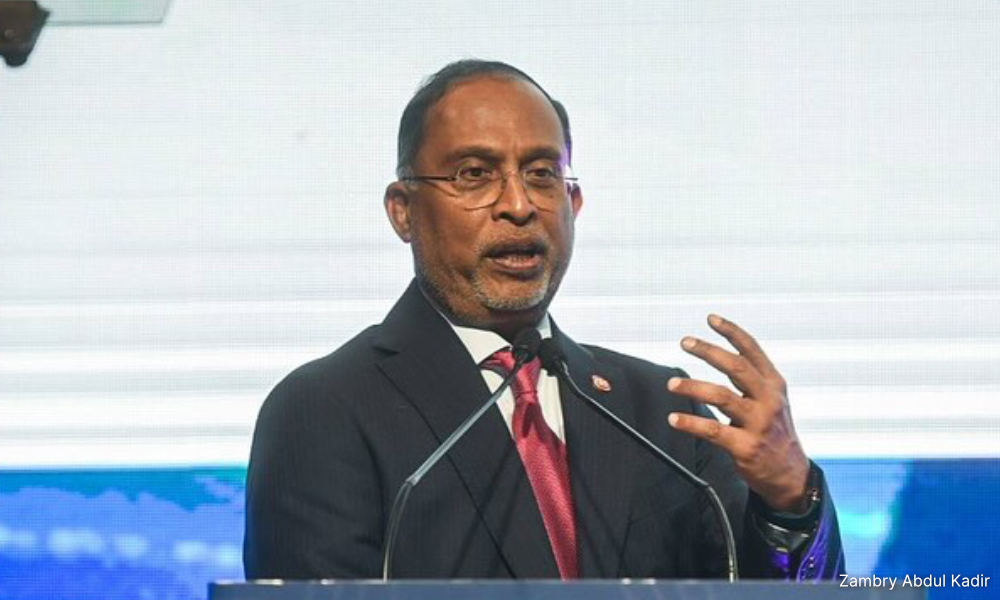
Yesterday, Higher Education Minister Zambry Abdul Kadir shot back, saying just because the government had opened avenues for students from other schooling streams to enter public universities, it did not mean Putrajaya had compromised on the national education system.
Zambry stressed that UEC and tahfiz students will still have to sit for the Sijil Pelajaran Malaysia examination to gain entry into public universities.
Sarawak recognised UEC for entry into its state-run public universities in 2015, with Sabah following suit in 2019.
Education quality over politics
Elaborating further, Salleh said that when it comes to Sarawak and Sabah, UEC is generally accepted as part of a multi-stream education system that reflects both regions' diverse societies.
READ MORE: UEC: What it means to take an exam your own country won't accept
In Sabah, the former state chief minister said many bumiputera students enrol in Chinese independent schools.
“This shows that families are more focused on education quality and opportunities rather than political arguments.
“In both states, the priority is clear - access to education, inclusivity, and building human capital,” Salleh added.
/file/publisher-c1a3f893382d2b2f8a9aa22a654d9c97/2019/04/2189c11f44c27406897db40702116ee6.jpg)
/file/publisher-c1a3f893382d2b2f8a9aa22a654d9c97/2026/04/b41a74886b59ab812ae23a8bfec6a3b4.jpg)
/file/1214/e65180fb9fe4c29c403c278ce685ec2e.jpeg)
/file/publisher-c1a3f893382d2b2f8a9aa22a654d9c97/2025/12/6a75241a944e360bb83507f36e50a270.jpg)
/file/1285/1953ad099ee1877ae1db88fb791a81aa.jpeg)
/file/publisher-c1a3f893382d2b2f8a9aa22a654d9c97/2024/10/b4447817291ef774eae103216c815ca2.jpg)
/file/publisher-c1a3f893382d2b2f8a9aa22a654d9c97/2025/04/de7e53938a5bac7d5f50f819e9d8bacf.jpg)


Report this comment
Are you sure you want to delete this comment?
This action cannot be undone.