


/file/publisher-c1a3f893382d2b2f8a9aa22a654d9c97/2022/02/776558f27b131f797ce830edbb055f2a.jpg)

Paused Selangor rules would bar non-Muslim houses of worship from exceeding mosque height
A closer reading of Selangor’s 2025 planning guidelines - which have been put on hold after drawing controversy over their rules for non-Muslim houses of worship - has revealed restrictions on the height of such buildings and structures.
According to the Selangor State Planning Guidelines and Standards for Community Facilities 2025, non-Muslim houses of worship must be no taller than any mosque in the same or neighbouring development area.
In addition, the maximum height...
(Editor’s note: This article has been amended for clarity and to add a statement from the Selangor Menteri Besar’s Office.)
A closer reading of Selangor’s 2025 planning guidelines - which have been put on hold after drawing controversy over their rules for non-Muslim houses of worship - has revealed restrictions on the height of such buildings and structures.
According to the Selangor State Planning Guidelines and Standards for Community Facilities 2025, non-Muslim houses of worship must be no taller than any mosque in the same or neighbouring development area.
In addition, the maximum height from the ground floor to its highest point must not exceed 72 feet (21.9m).
A note accompanying the provisions states that local authorities may issue notices or take enforcement action against existing buildings that exceed the height restrictions.
The document did not explain the rationale behind the height restriction.
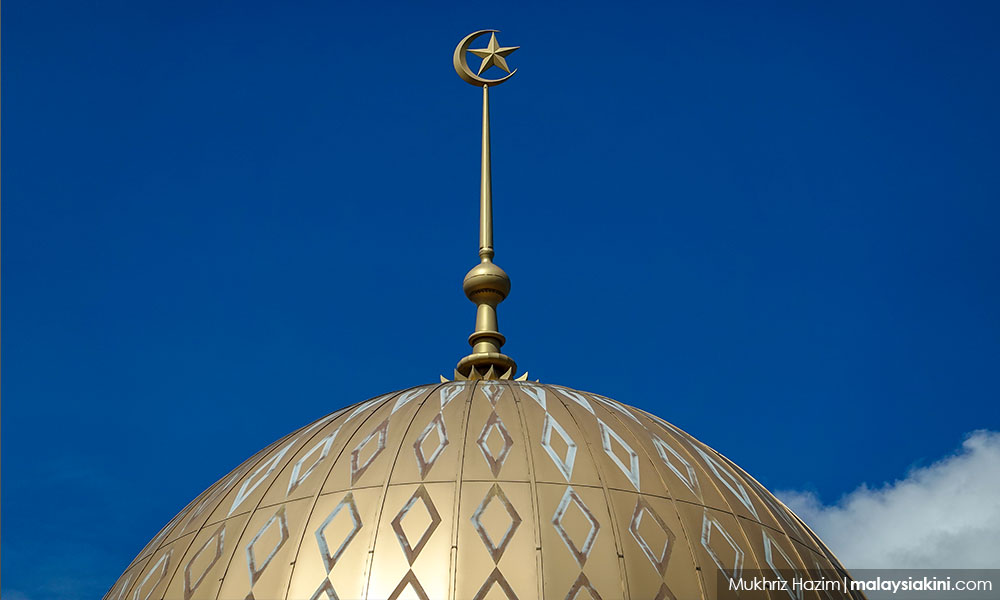
It also requires non-Muslim houses of worship to consider aesthetic harmony with their surroundings, including skyline uniformity, colour schemes, and visual impact.
The guidelines were approved during a state exco meeting in November 2025, but came under the public limelight on May 23 this year after Petaling Jaya MP Lee Chean Chung raised concerns over clauses banning non-Muslim houses of worship in commercial zones.
He noted that Paragraph 6 under “KM: 4-3 Places of Worship Other than Islam” states that “Placement within areas designated as commercial zones is not permitted”.
Paragraph 7 further states that “Conversion of existing buildings into such use is not allowed”.
Following criticism, the Selangor government clarified that the guidelines would apply only to future developments and would not affect existing commercial areas.
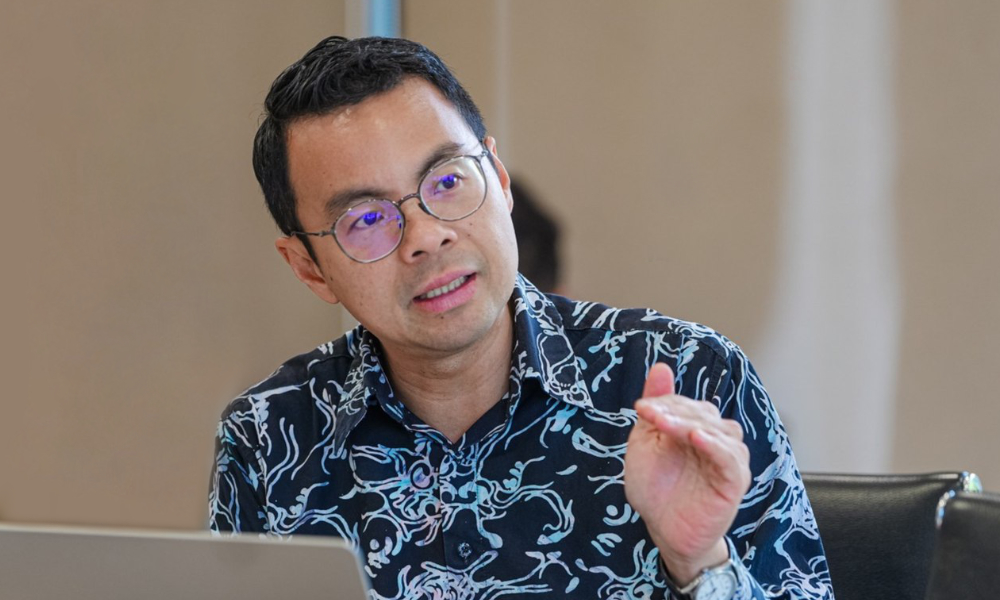
Selangor Special Committee on Buddhist, Christian, Hindu, Sikh, and Tao Religious Affairs co-chairperson Ng Sze Han said the guidelines will not be enforced while a consultation between the government and religious associations takes place.
‘Regrettable error’
Following the consultation on May 30, the special committee said the guidelines were intended to facilitate planning in new developments by ensuring places of worship are located close to residents.
However, it said the non-Muslim groups have asked for space in commercial buildings to be used as places of worship in new areas, in order to serve the needs of their local communities.
A spokesperson for the Selangor Menteri Besar’s Office told Malaysiakini that the associations have also asked for two weeks to provide written feedback and proposals to the state government.
The spokesperson said Menteri Besar Amirudin Shari assures that the new guidelines will provide a safe space for all Selangorians to carry out their religious activities in peace.
“The original guidelines, which were intended for planning future developments, were a regrettable error as they did not take into account the sensitivities of diverse religious beliefs in Selangor,” the spokesperson said.
Access rules and land allocation differences
Meanwhile, the guidelines also impose different access requirements for non-Muslim places of worship.
Unlike mosques and suraus, they are not permitted direct access to main roads.
Instead, a service road with a width of at least 50 feet, or a lay-by before the entrance, must be provided.
Such sites are also prohibited from being located on cul-de-sacs, with access roads required to connect to the wider road network.
The guidelines provide for one non-Muslim house of worship for every 5,000 residents, or about 1,250 households.
Mosques and suraus are allocated according to different population thresholds.
A local mosque is intended to serve at least 10,000 residents, while a district mosque caters to populations exceeding 50,000.
Suraus are planned for catchment areas of around 2,000 residents.
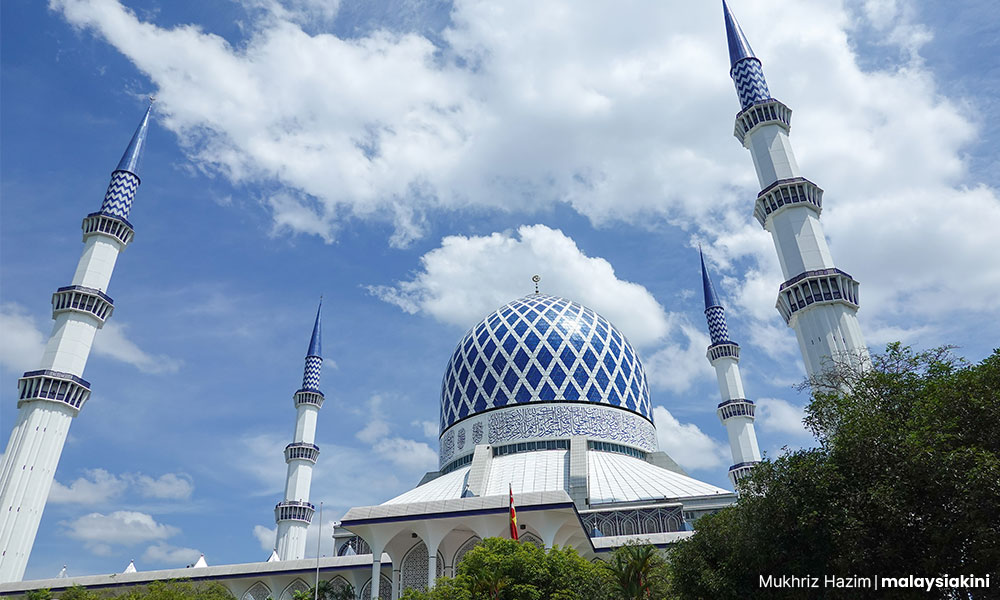
In terms of land allocation, non-Muslim religious facilities are planned under a shared-site model, with a total allocation of 1.5 acres (65,000 sq ft) subdivided into plots ranging from 0.25 acres to 0.5 acres for different faiths.
Local mosques are allocated up to three acres of land, while district mosques may occupy between three and seven acres.
Suraus in landed residential areas are generally allocated plots of 0.5 acres.
The disparity may partly reflect Malaysia’s demographics.
According to the 2020 census, Muslims comprised 63.5 percent of the population, followed by Buddhists (18.7 percent), Christians (9.1 percent), Hindus (6.1 percent), atheists (1.8 percent), and followers of other religions (0.9 percent).
/file/1235/cbcf4ae5397fca9709c1e64826f9a575.jpeg)
/file/publisher-c1a3f893382d2b2f8a9aa22a654d9c97/2026/01/734079b0134e5302a8b33618d9e7d075.jpg)
/file/publisher-c1a3f893382d2b2f8a9aa22a654d9c97/2024/07/5277da9e2a8ad03ec379ceec4b9f3e98.jpg)
/file/publisher-c1a3f893382d2b2f8a9aa22a654d9c97/2024/10/b3d8be28efbd002114776d41ac2d9a0c.jpg)


Are you sure you want to delete this comment?
This action cannot be undone.