


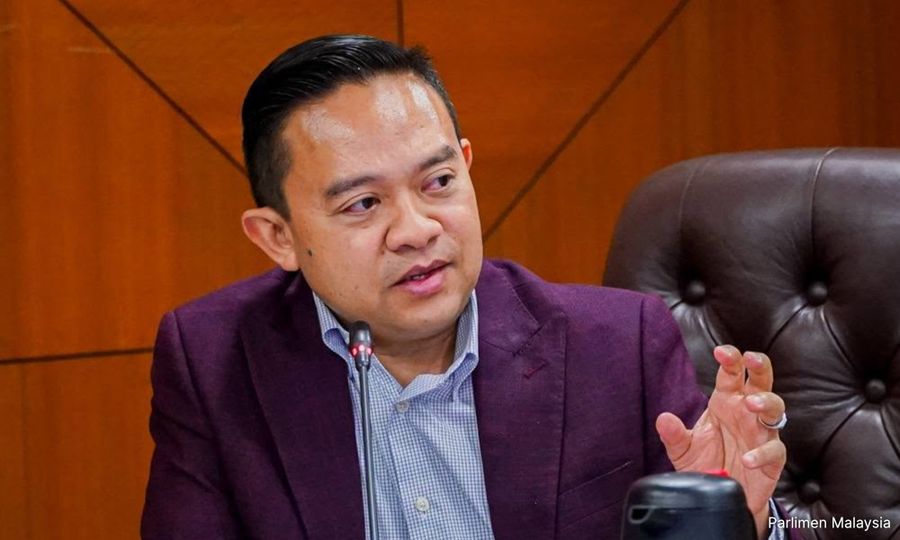

Wan Saiful urges haze compensation fund, probe into Malaysian firms
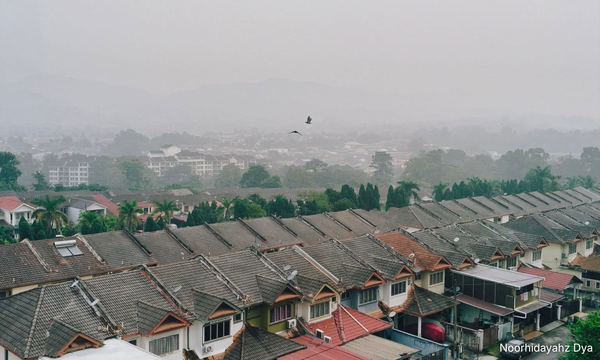
Tasek Gelugor MP Wan Saiful Wan Jan has urged Putrajaya to investigate Malaysian companies allegedly linked to forest and peatland fires in Indonesia and establish a special compensation fund for haze victims.
The Wawasan Negara vice-president said the government should take Greenpeace’s Oct 5 findings linking Malaysian corporate entities to fires in Indonesia seriously.
“The government must conduct...
Tasek Gelugor MP Wan Saiful Wan Jan has urged Putrajaya to investigate Malaysian companies allegedly linked to forest and peatland fires in Indonesia and establish a special compensation fund for haze victims.
The Wawasan Negara vice-president said the government should take Greenpeace’s Oct 5 findings linking Malaysian corporate entities to fires in Indonesia seriously.
“The government must conduct an immediate, transparent and comprehensive investigation to identify those responsible and determine their links to the transboundary haze crisis,” he said in a statement today.
Wan Saiful proposed that companies found responsible finance a compensation fund to cover healthcare costs, environmental rehabilitation and other proven losses suffered by those affected by the haze.
“The public should not have to continue bearing the costs of pollution caused by actions that are not their own, while the companies linked to it continue making millions in profits,” he said.
He also urged affected Malaysians and civil society organisations to consider legal action against companies proven to be responsible, stressing that any action must be based on evidence and pursued through lawful channels.
“Haze is not an annual festival that we should simply accept as normal,” he added.
Hazardous air in parts of Indonesia
The call comes as forest and land fires continue to affect parts of Indonesia, with 437 high-confidence hotspots detected nationwide yesterday.
According to Indonesia’s Forestry Ministry, parts of Central Kalimantan, South Sumatra and Jambi were still recording air quality ranging from very unhealthy to hazardous.
Central Kalimantan had 122 hotspots as of 9pm yesterday, while South Sumatra recorded 107 and Jambi 15.
Indonesia also has 61 aircraft deployed for firefighting, patrols and weather modification, including 44 water-bombing aircraft.
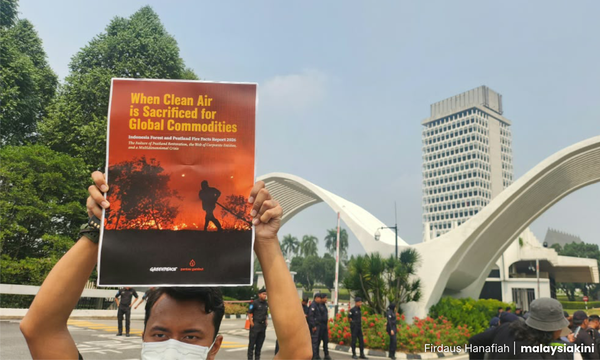
On Oct 5, Greenpeace Indonesia and Malaysia, together with Pantau Gambut, said Malaysian plantation group Kuala Lumpur Kepong (KLK) was among corporate groups connected to concessions where fire-related activity had been identified in Indonesia.
The groups said 5,540 smoke-source points were detected between Aug 8 and Sept 20, including 859 within 115 forestry concessions and another 774 within 210 oil palm concessions.
Greenpeace has called for stronger cross-border corporate accountability, including investigations in Malaysia into local companies implicated in Indonesian fires.
Indonesian government sued
Wan Saiful’s call also comes amid legal action against the Indonesian government over its handling of the current fire and haze crisis.
A coalition of indigenous and civil society groups in West Kalimantan filed a class-action suit last month against President Prabowo Subianto and other senior officials, accusing the government of negligence in preventing and responding to recurring forest fires.
The plaintiffs are seeking, among other things, stronger mitigation measures, free healthcare for vulnerable residents, and enforcement action against those responsible.
The first hearing at the Pontianak District Court on Oct 7 was postponed to Oct 21 after government defendants failed to attend.
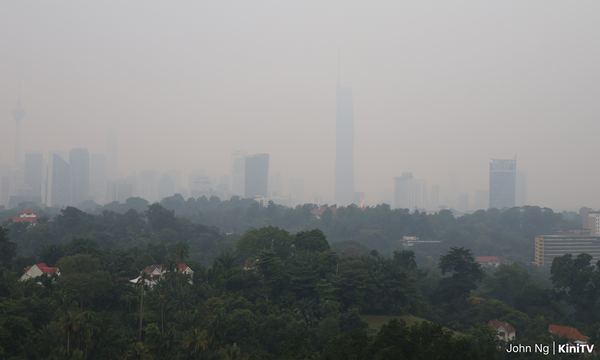


Wan Saiful’s call for a haze compensation fund and an investigation into Malaysian firms deserves support. It is a promising step towards making plantation giants bear the public costs of pollution where their responsibility is established. The principle is simple: companies should not retain the profits while households and taxpayers shoulder the healthcare bills. A compensation fund should help affected people and reimburse public healthcare services for demonstrable haze-related costs. An independent investigation must establish responsibility, including through subsidiaries and contractors. Contributions should reflect the harm caused, and the fund must operate transparently. Compensation must also accompany prevention and enforcement. It cannot become a fee that allows companies to continue polluting. Clean air is a public good, and corporate accountability should extend to the health of the population.
This guy is still around ? Whats the status on his court case ?
Compensation for 32 Million people? And how will the damage be calculated?
Report this comment
Are you sure you want to delete this comment?
This action cannot be undone.