




Are schools ready for six-year-olds? MCA raises concerns over transition
MCA has questioned the government's readiness to lower the Year One entry age to six, warning that the move could place additional pressure on the nation's education system.
This comes after the government announced yesterday that Year One enrolment would be compulsory for six-year-olds from 2029, following an optional enrolment period in 2027 and 2028.
MCA deputy president Dr Mah Hang Soon questioned whether...
MCA has questioned the government's readiness to lower the Year One entry age to six, warning that the move could place additional pressure on the nation's education system.
This comes after the government announced yesterday that Year One enrolment would be compulsory for six-year-olds from 2029, following an optional enrolment period in 2027 and 2028.
MCA deputy president Dr Mah Hang Soon questioned whether schools were adequately prepared to accommodate younger pupils, saying the government must first address existing constraints involving infrastructure, classroom capacity and teacher preparedness.
“Education reform must begin with the readiness of our schools and educators, not policies that risk placing unnecessary pressure on our children,” he said in a statement today.
Mah, who also chairs MCA's Education Consultative Committee, warned that accommodating six- and seven-year-olds in the same Year One classrooms could worsen overcrowding and compromise teaching and learning quality.
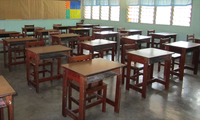
Teachers would also face heavier workloads as they manage pupils with different levels of maturity and learning readiness.
He also questioned whether six-year-olds were developmentally ready to meet the same academic expectations as their older classmates, warning that the pressure could affect their confidence and emotional well-being.
Differences in academic readiness could also result in younger pupils being placed in lower-performing classes the following year, potentially affecting their confidence and causing dissatisfaction among parents.
Ten-year education plan
The proposed policy forms part of the government's 10-year education plan, launched by Prime Minister Anwar Ibrahim in January, which introduced several initiatives to prepare the national education system for future challenges.
Under the plan, parents would initially be given the option of enrolling their six-year-old children in Year One starting 2027, with the implementation to be carried out in phases and prioritising truly ready children.

The Education Ministry also conveyed its plans to construct additional classrooms using the Industrialised Building System method to meet pupils’ needs nationwide.
However, the proposal continued drawing criticism, with Muar MP Syed Saddiq Syed Abdul Rahman warning in Parliament that it could create unequal opportunities and stigma among pupils, while raising concerns over its implications for children and teachers.
Former education minister Hishammuddin Hussein also called on the Education Ministry to provide a detailed explanation of its preparedness to implement the initiative.



I provided scientific data on this issue but MK deleted it
Let's not forget the reverse question: are the children ready for the school? Particularly our style of schooling.
MCA keeps asking whether schools are ready. Fair question. So use the two years when enrolment is optional to find out. Which schools are already overcrowded? How many extra teachers and classrooms will they need? What will the ministry change if the first year shows that some schools are struggling? Those are the answers MCA should be pressing for before 2029. And if a six-year-old needs more time to settle in or learn to read, why should that child be written off as a weak pupil? Children develop at different speeds even when they’re the same age. I’d like to see MCA push for a Year One classroom that gives children room to grow and gives teachers the support to help them. That would do more for families than another round of warnings about what might go wrong.
Report this comment
Are you sure you want to delete this comment?
This action cannot be undone.