


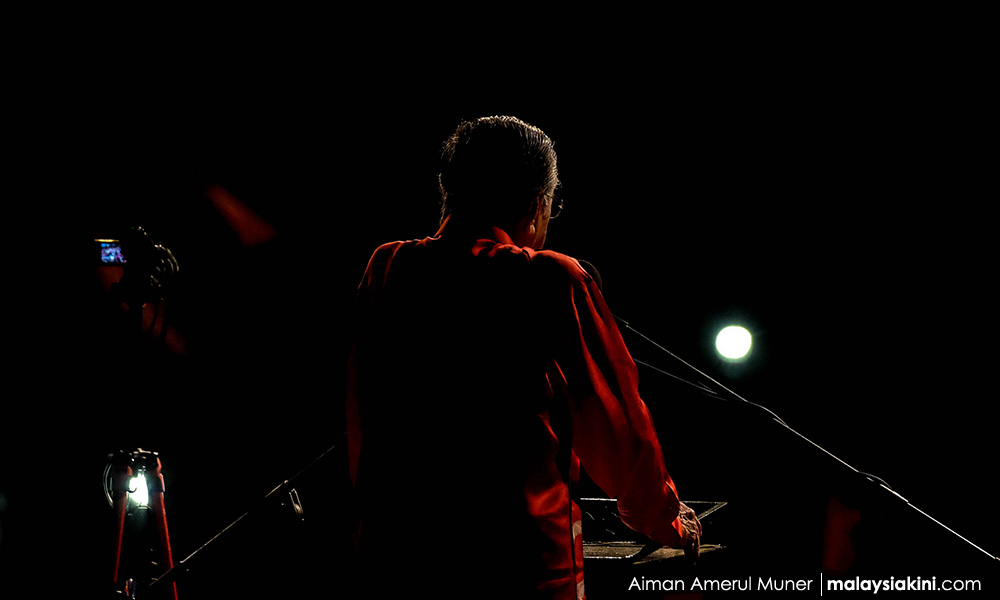

Irrelevant if Dr M apologises or not for Ops Lalang, say analysts
Dr Mahathir Mohamad is currently facing calls from former detainees and NGOs to apologise for the Operasi Lalang of 30 years ago.
While the calls for an apology have been vocal and well covered by the media, several political analysts believe that whether the former prime minister says sorry or not would have little impact on voter support.
Political analyst Khoo Kay Peng believes that Mahathir will not apologise for the incident that took place 30 years ago, as he has repeatedly said that it was the decision of the police to conduct Operasi Lalang.
Although apologising over the incident may somewhat work to his favour, Khoo said the key to winning the general election was not about Mahathir’s human rights record.
“(Mahathir apologising or not) won’t have an impact.
“(The election) is not about Mahathir. It is about Pakatan Harapan and its ability to convince Malays and East Malaysian voters that they can get a better deal from Harapan,” Khoo told Malaysiakini...
Dr Mahathir Mohamad is currently facing calls from former detainees and NGOs to apologise for the Operasi Lalang of 30 years ago.
While the calls for an apology have been vocal and well covered by the media, several political analysts believe that whether the former prime minister says sorry or not would have little impact on voter support.
Political analyst Khoo Kay Peng believes that Mahathir will not apologise for the incident that took place 30 years ago, as he has repeatedly said that it was the decision of the police to conduct Operasi Lalang.
Although apologising over the incident may somewhat work to his favour, Khoo said the key to winning the general election was not about Mahathir’s human rights record.
“(Mahathir apologising or not) won’t have an impact.
“(The election) is not about Mahathir. It is about Pakatan Harapan and its ability to convince Malays and East Malaysian voters that they can get a better deal from Harapan,” Khoo told Malaysiakini.
A total of 106 people were detained under the Internal Security Act (ISA) under Operasi Lalang in October 1987.
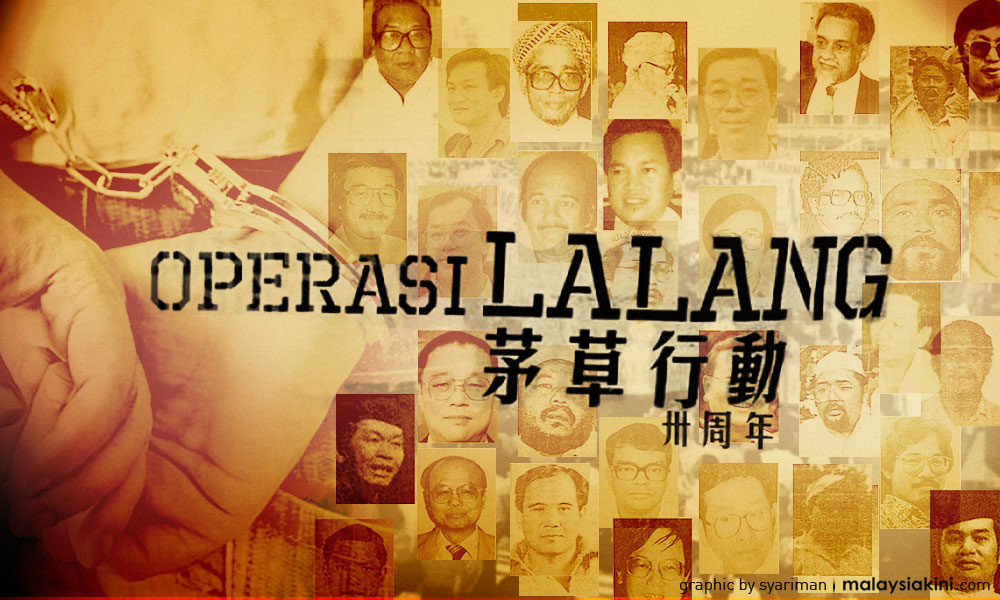
Mahathir, who was then prime minister and home minister, has repeatedly stated that Operasi Lalang was conducted by the police and he had no power to object to the detention order.
As Harapan chairperson, Mahathir is now allied with several individuals who were detained during the operation.
Meanwhile, chief executive of the Institute for Democracy and Economic Affairs (Ideas) Wan Saiful Wan Jan, said the former detainees had the right to be angry as they were detained without trial.
However, the operation was not just the action of one man, he argued.
Cabinet members, said Wan Saiful, are responsible for the action of the government as a whole.
“Since they (the cabinet) didn't resign, then they are equally and collectively responsible because they all supported Mahathir's actions. No one should escape blame for this dark history.
“Those demanding that Mahathir apologises would be seen as more balanced if they demand with equal strength that (PKR de facto leader) Anwar Ibrahim and other cabinet members at that time apologise, too, for their part in supporting Mahathir's actions at that time.”
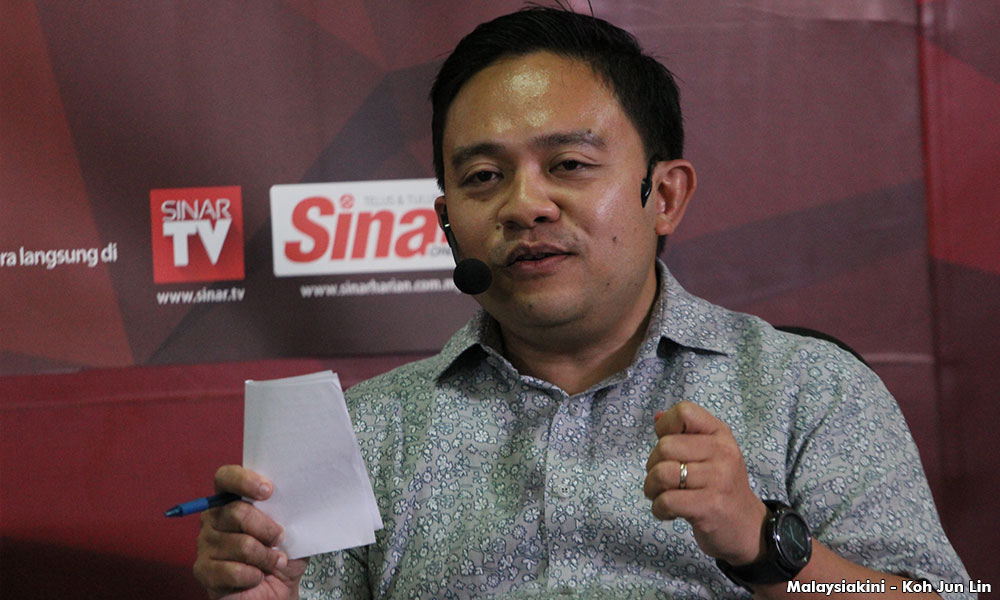
However, Wan Saiful (photo) believes that it is not impossible for Mahathir to apologise, especially if he thinks that an important constituency of voters can be won over by doing so.
“But I am not sure what the actual benefit would be, other than to fulfil the wishes of some activists who seem to be selective in assigning blame,” he said.
And in this matter, it is Umno that comes out as the unlikely victor.
“If Mahathir apologises, Umno will say he has become weak. If he doesn't apologise, Umno will highlight the differences in opinion between the groups. Either way, Umno benefits.
“I fully understand why the activists demand an apology and I fully support them.
“Unfortunately, the sad state that we are in today means a simple apology would have a complex political repercussion, thus unnecessarily complicating what is supposed to be an easy issue,” Wan Saiful added.
Political analyst Ahmad Atory Hussain also believes that there is no reason for Mahathir to apologise as the incident had occurred “a long time ago”.
“Why didn’t they ask Mahathir to apologise when he retired in 2003?
“They can ask him to apologise, but whether he wants to or not, it is up to him.”
Like the others, Atory does not think that Mahathir apologising for the incident or otherwise would have an impact on voter support.
Penang Institute fellow Wong Chin Huat is of the opinion that a mere apology or otherwise would not make much difference as many voters will place more emphasis on Prime Minister Najib Abdul Razak's future than Mahathir's past.
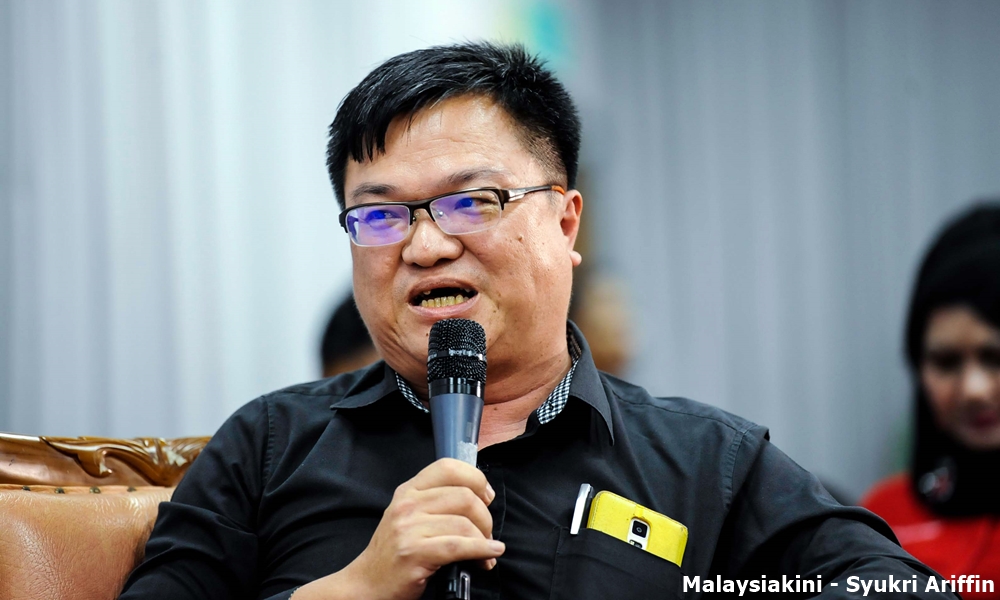
However, Wong (photo) noted the gap between Mahathir’s camp and traditional opposition supporters could only be closed with “real reconciliation” - which is more than a formal apology.
“If Harapan, including Mahathir and Bersatu, can show a clear commitment to democratisation to ensure Operasi Lalang will never return, it would solidify the opposition supporters and boost turnout for Harapan.”
Without formally apologising, Wong said, Mahathir could reshape his political discourse by denouncing authoritarianism and by being an advocate for reforms “to undo the strengthening of Umno’s party state”.
Although Wong does not expect Mahathir to denounce his Malay nationalism, he expressed hope that Mahathir would, at least, state that Malay communal interests can only be protected with democracy and human rights and that opposition to democracy and human rights is undermining Malays’ interests.
“He can say: because Malays’ demographic majority status is unchangeable, Malays should not fear democracy.
“For an arch-champion of Malay nationalism to unreservedly embrace democracy for the future is more important than a former autocrat’s apology for his past,” Wong added.


Are you sure you want to delete this comment?
This action cannot be undone.