



Malaysia to reconsider policy of sending Chin refugees home
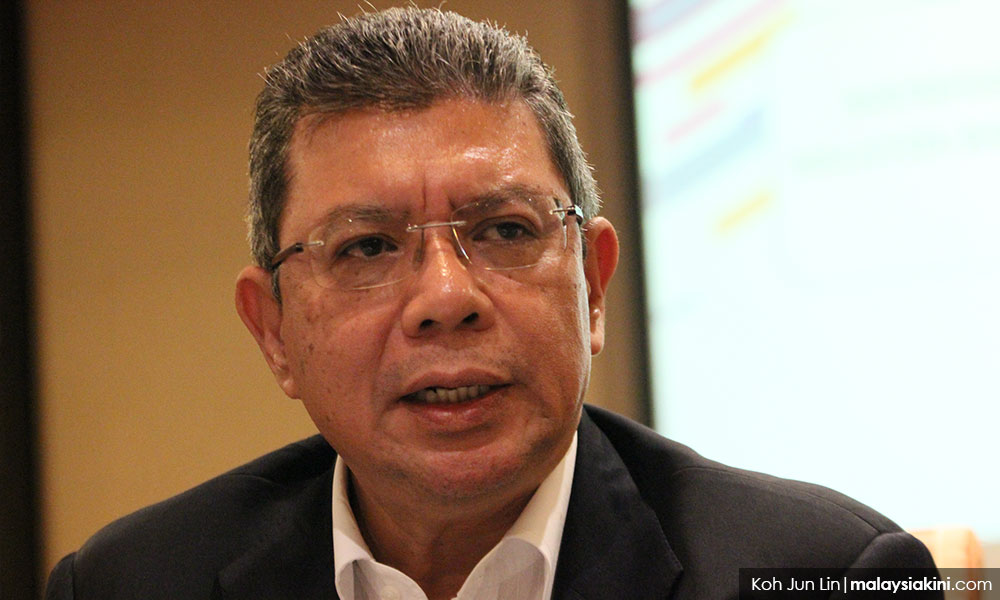
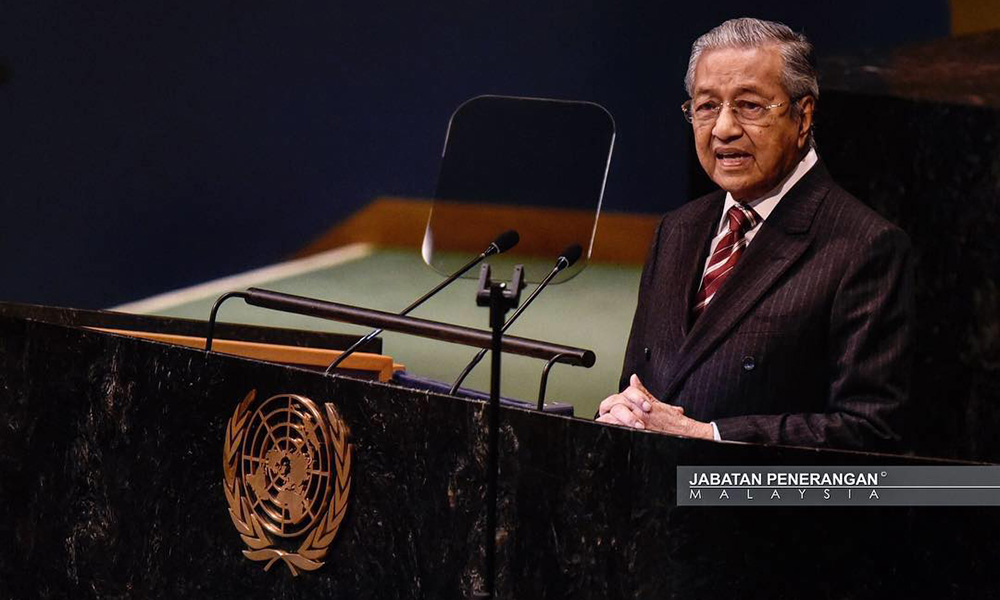
The Malaysian government will reconsider its current policy of returning ethnic Chin refugees to their home country of Myanmar, said Foreign Minister Saifuddin Abdullah.
He said this after NGO Refuge for the Refugees founder Heidy Quah urged him to allow the Chin refugees to remain in Malaysia for a few more years.
She told the minister at the Roundtable Discussion for Youth Groups of Malaysia Baharu’s Foreign Policy Framework that although the UN High Commission for Refugees (UNHCR) said it is now safe for the Chin refugees to return, reports from the repatriated refugees suggest otherwise...
The Malaysian government will reconsider its current policy of returning ethnic Chin refugees to their home country of Myanmar, said Foreign Minister Saifuddin Abdullah.
He said this after NGO Refuge for the Refugees founder Heidy Quah urged him to allow the Chin refugees to remain in Malaysia for a few more years.
She told the minister at the Roundtable Discussion for Youth Groups of Malaysia Baharu’s Foreign Policy Framework that although the UN High Commission for Refugees (UNHCR) said it is now safe for the Chin refugees to return, reports from the repatriated refugees suggest otherwise.
“Those who have already gone back home have been detained and murdered just because they are considered people who had betrayed their countries,” she said during the event in Kuala Lumpur.
In response, Saifuddin said, “I would be more than happy to look at your proposals and we will see what […] This is not about policy (but) what are the things that need to be done.
“Sometimes, as you may understand, foreign policy is not just about us in the ministry making pronouncement. Sometimes it involves more than just pronouncements; sometimes we do things in a certain way that not many people actually know we are doing.
“But, somehow we produce good results, positive results, for the betterment of people. There are sometimes sensitivities that we need to navigate toward, but we will get things done in whichever way possible.”
Ensuring their return is 'voluntary, safe, dignified'
At a press conference later, Saifuddin told reporters that Malaysia’s current position regarding Chin refugees is to go along with UNHCR, but the government is open to suggestions.
He said that although Malaysia is not a party to the UN Convention Relating to the Status of Refugees, the government would do as much as it can to ensure the safety of refugees returning to their countries of origin.
“We may not be involved in the whole thing, but we want to be part of that process to ensure that whoever comes Malaysia, wherever they go after that, it is voluntary, it is safe, it is dignified,” he said.
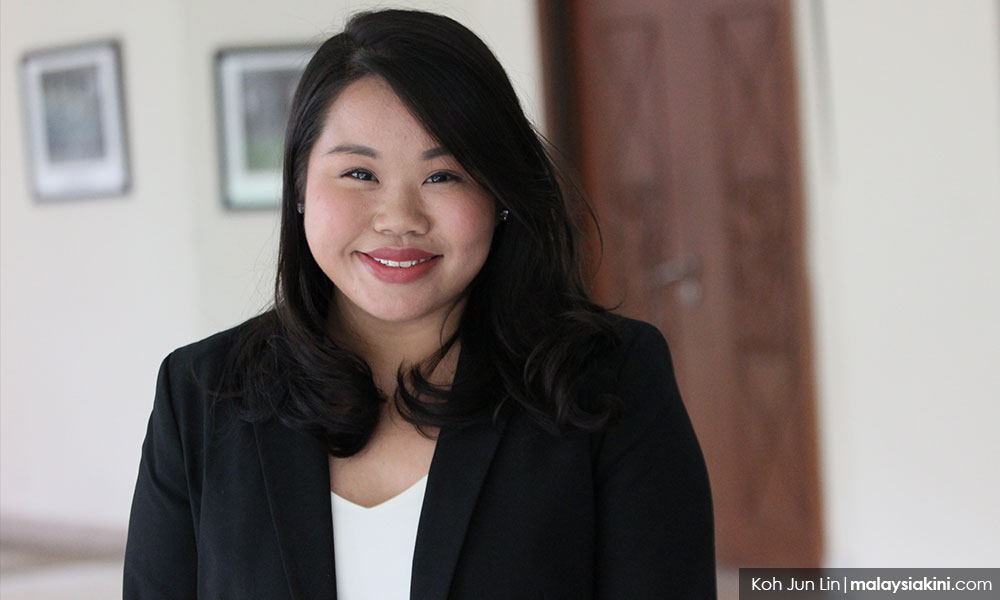
Asked to comment on Saifuddin’s remarks, Quah (photo below) said she agrees that refugees should be returned to their home countries in a matter that is voluntary, safe, and dignified, but that is not the case at the moment.
“We can show you reports of wars and fights that have broken out in the Chin state. The levels of suicide (amongst Chin refugees) have gone up because they feel that we are sending them back to their deaths,” she said.
She said her NGO will hold an event in conjunction with the Chin National Day tomorrow to highlight the plight of Chin refugees in wake of the UNHCR policy.
The UNHCR had declared in June last year that it is safe for Chin refugees to return home, saying that there had been a long period of peace and stability in the region.
However, various human rights groups had disputed this saying that the situation there is still volatile, and pointed to outbreaks of fighting in the region and the neighbouring Rakhine state.
Chin refugees had also held a peaceful demonstration outside the UNHCR office in Malaysia to protest the decision.
The Star reported in October last year that there were at least two cases of suicide in the Chin community and other unconfirmed cases following the new policy, as well as a sharp increase in depression, anxiety and suicide ideation.
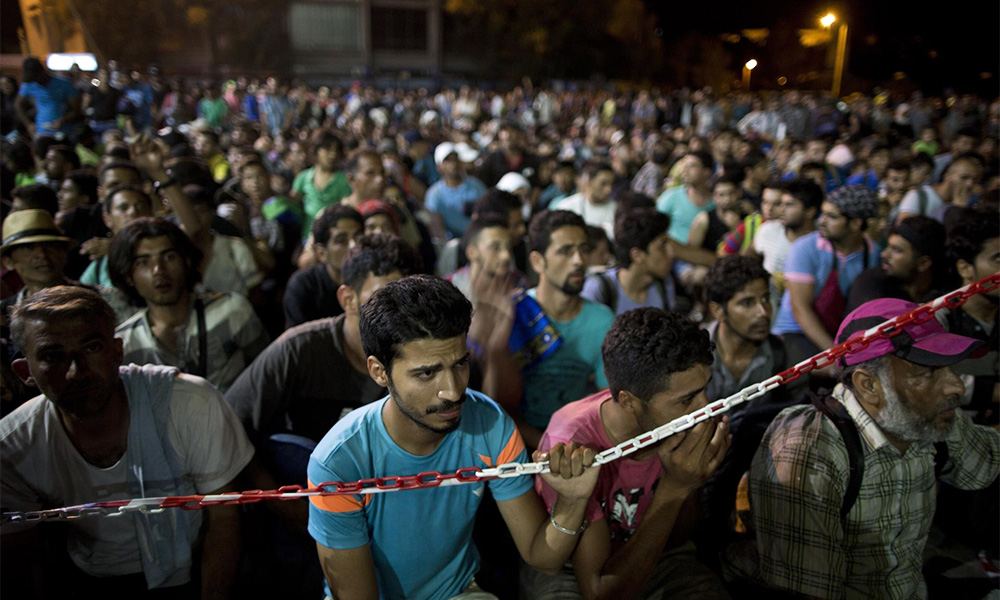
According to a report by Al-Jazeera last week, the new UNHCR policy meant that Chin refugees are faced with three options: return to Myanmar; extend their refugee status until the end of 2019; or make a fresh application for refugee status and face the risk of rejection.
The report also said there are 39,000 Chin refugees residing in Malaysia, citing community groups, and the number of UNHCR-registered Chin refugees had been falling as the agency is now routinely closing files.
It said there were 31,150 UNHCR-registered Chin refugees in Malaysia prior to the decision, and the number fell to 26,180 by the end of the year. This includes those whose applications had been rejected, did not come forward to renew their status, or were uncontactable.


Are you sure you want to delete this comment?
This action cannot be undone.