


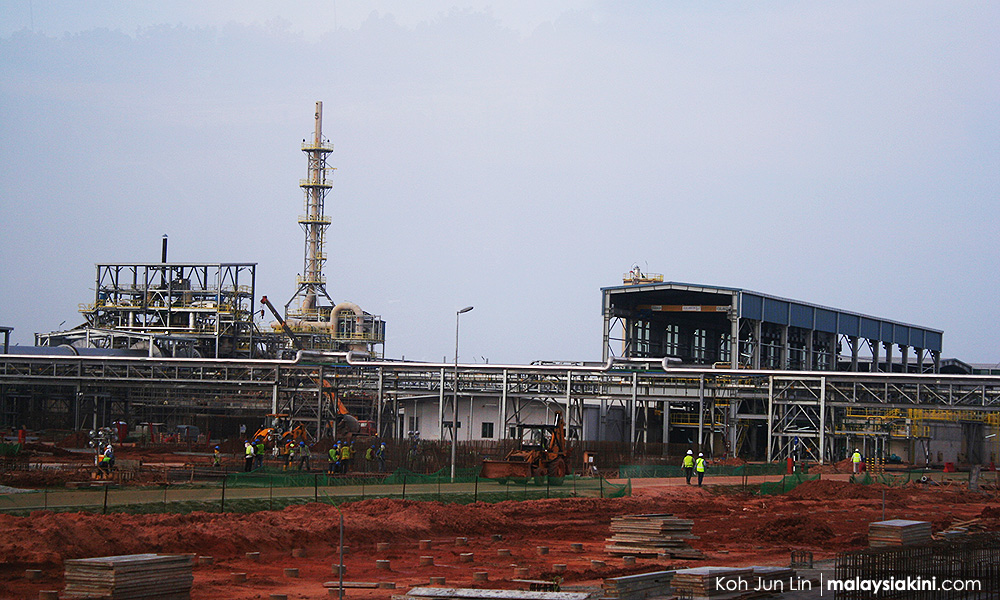

Lynas' claim of bauxite polluting groundwater called into question
Critics have raised doubts over Lynas Corporation's suggestion that bauxite mining in Kuantan may have caused contamination in the groundwater under its rare earth processing plant.
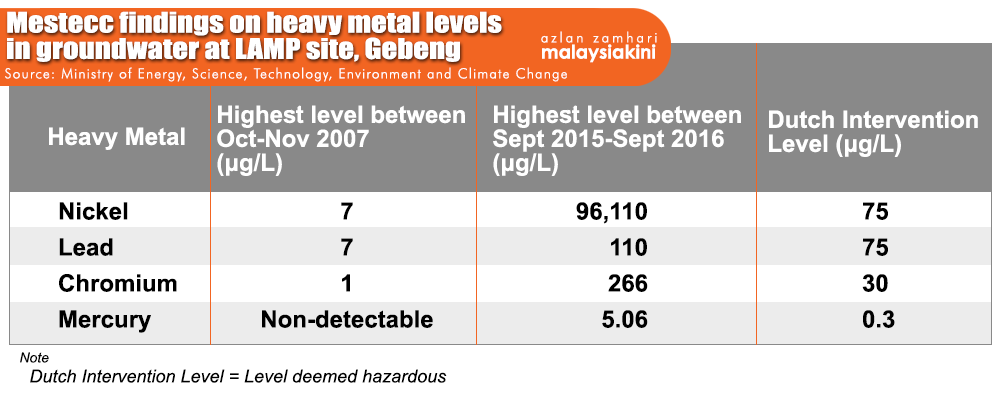
After a government review committee had found excessive levels of heavy metals such as nickel, chromium, lead and mercury in the groundwater, Lynas insisted that the contamination did not originate from its Advanced Materials Plant (Lamp)...
Critics have raised doubts over Lynas Corporation's suggestion that bauxite mining in Kuantan may have caused contamination in the groundwater under its rare earth processing plant.
After a government review committee had found excessive levels of heavy metals such as nickel, chromium, lead and mercury in the groundwater, Lynas insisted that the contamination did not originate from its Advanced Materials Plant (Lamp).
According to Kuantan MP Fuziah Salleh, the heavy metal contaminants match those listed as part of Lynas plant wastewater in a 2011 impact assessment report the firm commissioned.
Fuziah also contends that a 2018 Universiti Malaysia Pahang study did not list nickel as an element of bauxite mined in Bukit Goh.
The Energy, Science, Technology, Environment and Climate Change Ministry's review committee had found that the levels of nickel in the groundwater under Lamp were more than 1,000 times the acceptable level in 2016.
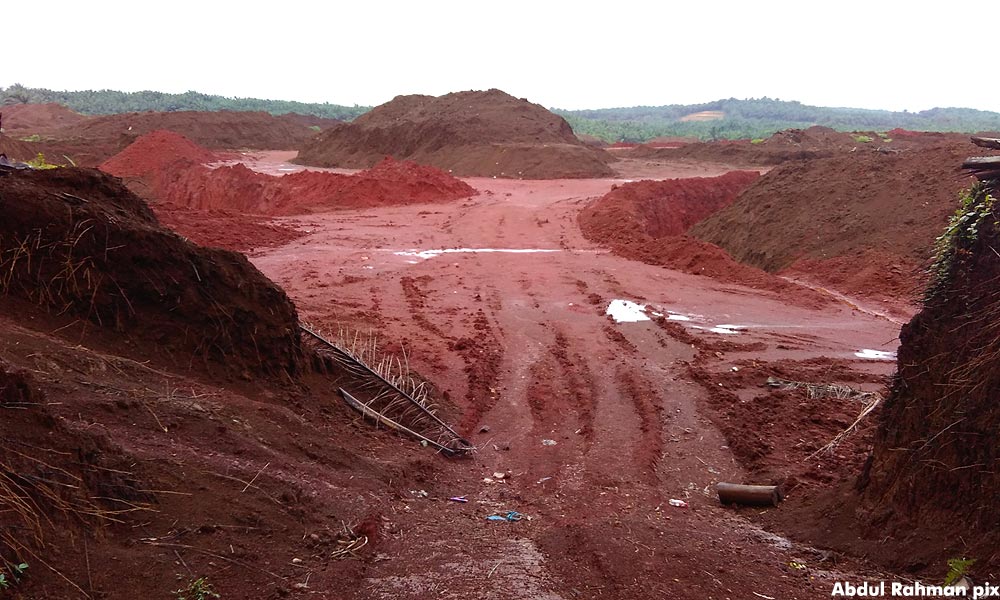
A Universiti Putra Malaysia study, however, did find nickel in the soil around bauxite mining and stockpile sites.
It also found mercury – listed as a contaminant in the groundwater under the plant – although this was absent from the UMP study cited by Fuziah.
"Both of these elements (nickel and mercury) are part of bauxite composition, and are also possibly derived as the mining byproduct," UPM scientist Sharifah Nurkhadijah Syed Ismail told Malaysiakini.
Sharifah Nurkhadijah explained that these heavy metals may not have been listed in the UMP study because the research scope may not have warranted it.
Muzamir Hasan, who authored the UMP study, could not comment on the findings, as he is part of the government review committee that noted the spike in heavy metals.
Another scientist, Maketab Mohamed – whose comments in a 2016 news article were cited by Lynas to suggest that bauxite mining caused the contamination – also declined to comment for the same reason.
Groundwater moving upstream?
However, according to Malaysia Nature Society Pahang chairperson Noor Jehan Abu Bakar, even if the nickel and mercury did originate from bauxite mines, it does not explain how these contaminants made their way into the groundwater under Lamp.
Noor Jehan said that the Bukit Goh mines and the stockpiles at Kuantan Port were "far from the Lynas plant" – about 37km and 15km away respectively.
Save Malaysia Stop Lynas (SMSL) spokesperson Tan Bun Teet concurred, noting that it seems implausible that contaminated groundwater would travel upstream from Kuantan Port to Lamp.
As such, he urged the Energy, Science, Technology, Environment and Climate Change Ministry to reveal the results of the latest test samples from its monitoring station at the Lynas plant.
Tan said this is crucial because the government had previously only relied on test results from a Lynas-appointed lab, which collected its own samples.
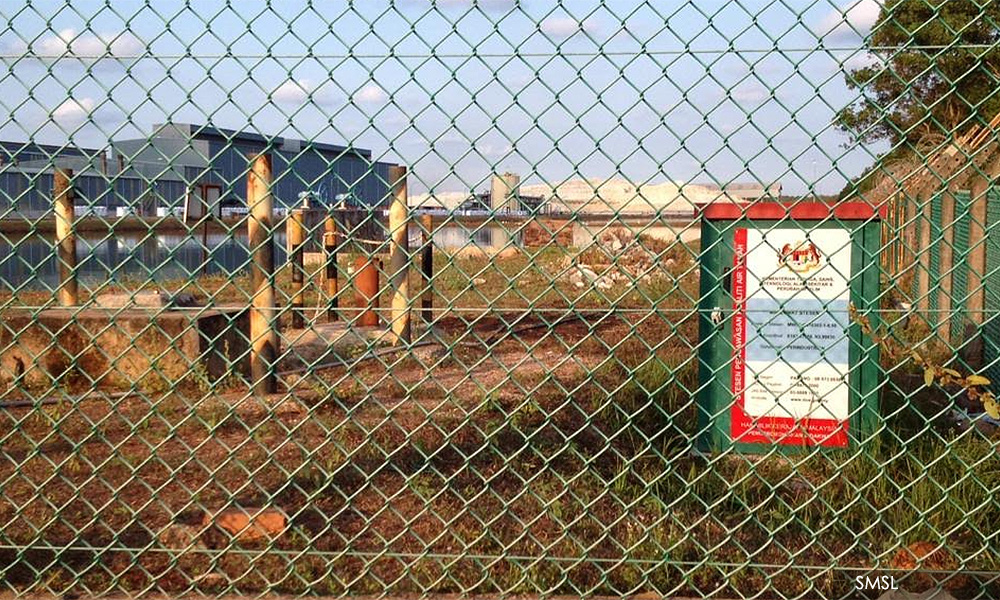
Last month, SMSL volunteers spotted a ministry monitoring station set up near groundwater station 13 in Lamp, which had recorded a high spike in nickel.
Groundwater station 13 is located by the stormwater pond, which Tan said Lynas uses as a last point of dilution for its wastewater before it is released into Sungai Balok.
He added that independent testing could determine if the contamination matches the wastewater in the stormwater pond and pinpoint the source of pollution.
"So there are a lot of things that need to be done to verify what Lynas claims to be the truth.
"I wouldn't want to argue with Lynas on this topic without any proof, but we can draw conclusions with evidence.
"Get an independent party to do the test, instead of accepting in total the test results by a lab appointed by Lynas," Tan said.
Malaysiakini has contacted the Energy, Science, Technology, Environment and Climate Change Ministry for comment.
RELATED REPORT
Is groundwater under Lynas plant high in heavy metals? Yes, but…





Report this comment
Are you sure you want to delete this comment?
This action cannot be undone.