


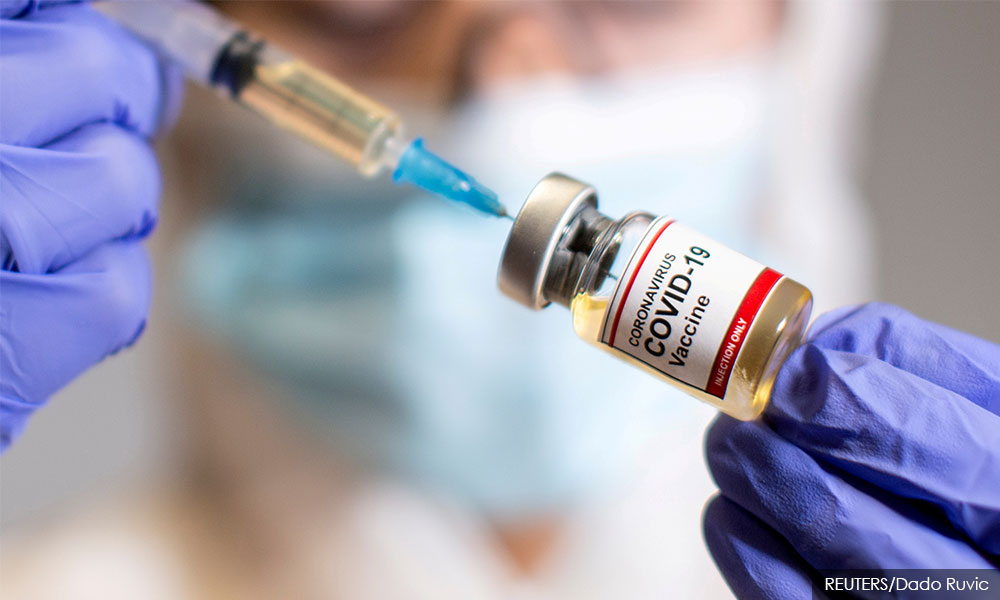

Three vaccine makers to work with local companies
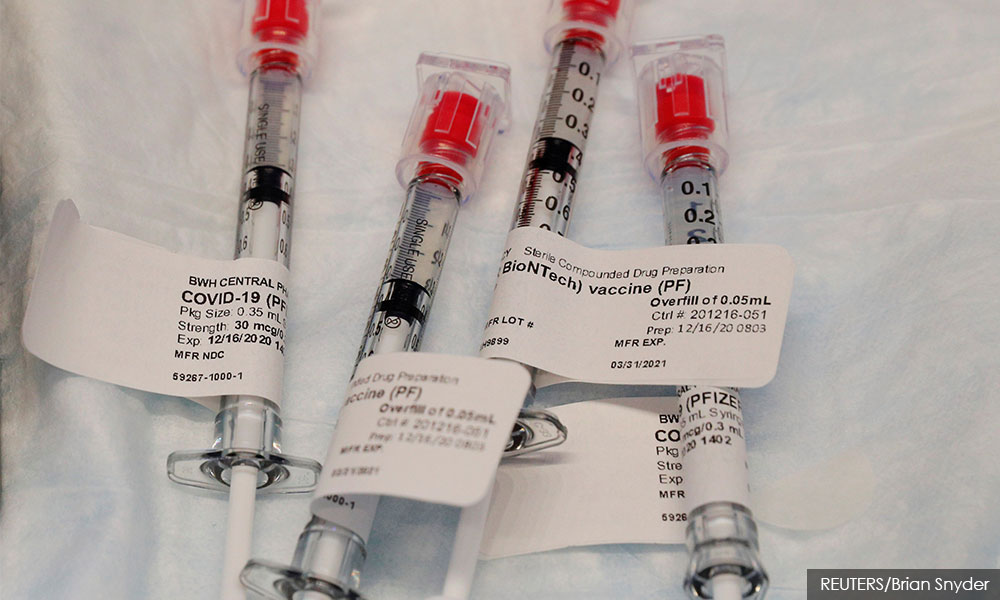
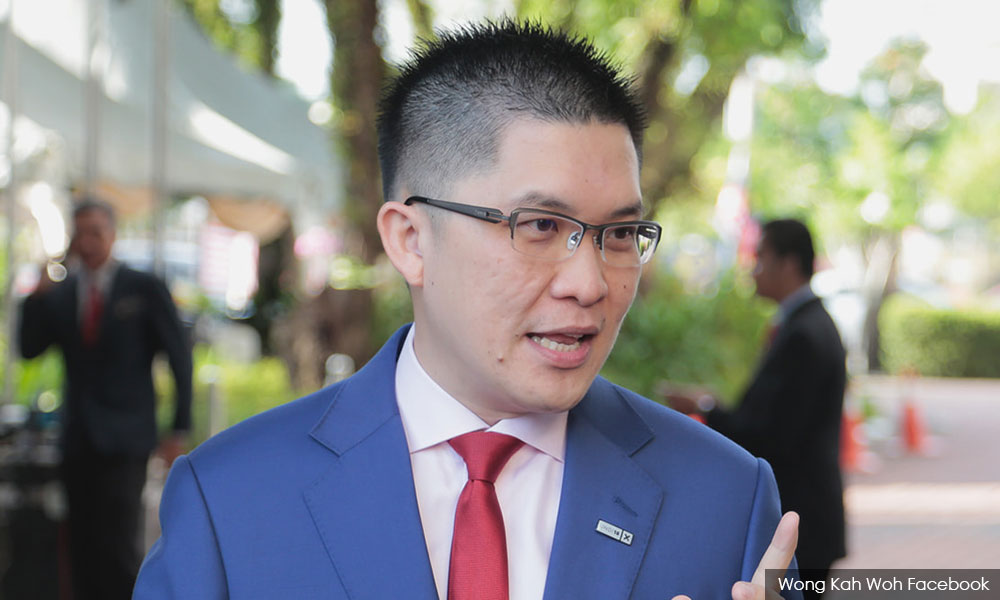
COVID-19 | The government is finalising agreements for three vaccine makers to collaborate with local companies and help grow the local pharmaceutical industry, said Special Vaccine Supply Access Guarantee Committee (JKJAV) co-chairperson Khairy Jamaluddin.
The science minister reiterated that Malaysia wants the country’s vaccine procurement deals to be more than just a purchase, but also an opportunity to build Malaysia’s capacity to manufacture its own vaccines in the future.
However, he stressed that the government is not interested in intermediaries that merely want to be vaccine distributors...
COVID-19 | The government is finalising agreements for three vaccine makers to collaborate with local companies and help grow the local pharmaceutical industry, said Special Vaccine Supply Access Guarantee Committee (JKJAV) co-chairperson Khairy Jamaluddin.
The science minister reiterated that Malaysia wants the country’s vaccine procurement deals to be more than just a purchase, but also an opportunity to build Malaysia’s capacity to manufacture its own vaccines in the future.
However, he stressed that the government is not interested in intermediaries that merely want to be vaccine distributors.
“Companies have come to see me and said, ‘I'm the distributor for Vaccine A’. I ask them what value are they adding? If they are merely a distributor, that is not enough of a value-add.
“We wanted to see whether we can involve manufacturing as well as research and development.
“So, we have looked into three agreements that are in the final stages of negotiation. These companies will add value to the nation’s vaccine development,” he told a press conference in Putrajaya today, noting that Malaysia currently has the capacity to manufacture vaccines intended for human use.
He said the three vaccine makers are China’s Sinovac and CanSino Biologics, and Russia’s Gamaleya Research Institute of Epidemiology and Microbiology.
He did not name the local companies involved.
Khairy said Malaysia is looking to develop its vaccine-making capacity in three aspects – manufacturing, research and development, and technology transfer.
In particular, he said Sinovac will be supplying 14 million doses of its vaccine candidate in bulk, which will be enough for seven million Malaysians (22 percent of the population).
A local company will do the fill-finish process for Sinovac's drug – essentially repackaging it into smaller bottles for final distribution. Khairy said this is an essential first step in developing the capacity to manufacture vaccines.
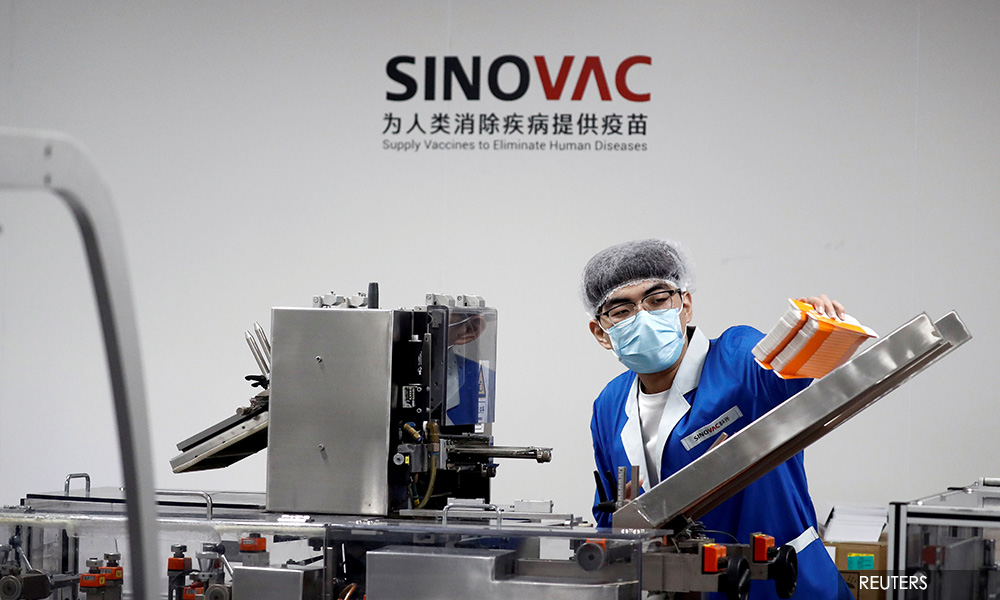
For the record, the manufacture of injectable drugs usually calls for tight monitoring by regulators and manufacturers to ensure it is free from contaminants.
In contrast to the fill-finish of Sinovac's drug, Khairy did not disclose the extent of local involvement for CanSinoBIO and Gamaleya's vaccines.
Instead, he said Malaysia is finalising a deal with CanSinoBIO to purchase 3.5 million doses of its vaccine candidate and 6.4 million doses of Gamaleya’s Sputnik V vaccine.
He said CanSinoBIO’s vaccine is particularly interesting to Malaysia because it is a single-dose vaccine, whereas most Covid-19 vaccines call for a two-dose regimen.
For the record, Sinovac, CanSinoBIO, and Gamaleya’s vaccine candidates are still in trials. Gamaleya has made efficacy claims regarding its vaccine but has yet to substantiate it.


Report this comment
Are you sure you want to delete this comment?
This action cannot be undone.