


/file/publisher-c1a3f893382d2b2f8a9aa22a654d9c97/2019/04/325970976364ba24503048108b6841f3.jpg)

KINIGUIDE | The Wang Kelian RCI revisited
KINIGUIDE | Wang Kelian, a small, quiet town on the border of Perlis and Thailand was under the global spotlight in May 2015, when 139 graves and 28 migrant prison camps were uncovered on its hills.
The discovery revealed the cruelty and torturous tactics of the human trafficking syndicates taking advantage of the political, social and economic developments in Bangladesh and Myanmar to make a fast buck in the million-ringgit smuggling trade.
The victims buried in the graves were believed to be migrants from the Rakhine province of Myanmar, who were in search of greener pastures due to selected persecution, suppression, torture and violence in their homeland.
Facing poverty at home, they boarded...
KINIGUIDE | Wang Kelian, a small, quiet town on the border of Perlis and Thailand was under the global spotlight in May 2015, when 139 graves and 28 migrant prison camps were uncovered on its hills.
The discovery revealed the cruelty and torturous tactics of the human trafficking syndicates taking advantage of the political, social and economic breakdown in Bangladesh and Myanmar to make a fast buck in the million-ringgit smuggling trade.
The victims buried in the graves were believed to be migrants from the Rakhine province of Myanmar, who were in search of greener pastures due to selected persecution, suppression, torture and violence in their homeland.
Facing poverty at home, they boarded fishing boats to travel thousands of kilometres by sea, and then trekked through hostile jungles to enter Malaysia, paying syndicates large sums of money to smuggle them through.
But instead of ensuring safe passage, many migrants were buried on the hills in Wang Kelian.
The shocking discovery prompted a Royal Commission of Inquiry (RCI), with its findings only recently declassified.
In the report, RCI chairperson Arifin Zakaria said the incident highlighted the inhumanity of people smugglers and was a black spot in the nation’s history.
This KiniGuide explores what the commission found.
When was the RCI formed, what was the term of reference?
The RCI was formed in March 2019 to investigate, conduct an inquest and establish the causes behind the undocumented migrant camps and mass graves in Wang Kelian. This was almost four years after the graves were found.
The probe concluded in June 2019, before it was submitted to the Yang di-Pertuan Agong Sultan Abdullah Sultan Ahmad Shah in September of that year.
Over 17 days, spanning two months, the RCI questioned 48 witnesses, including high-profile figures like then inspector-general of police Khalid Abu Bakar and then Perlis police chief Zul Aznam Haron.
Who were the RCI committee members?
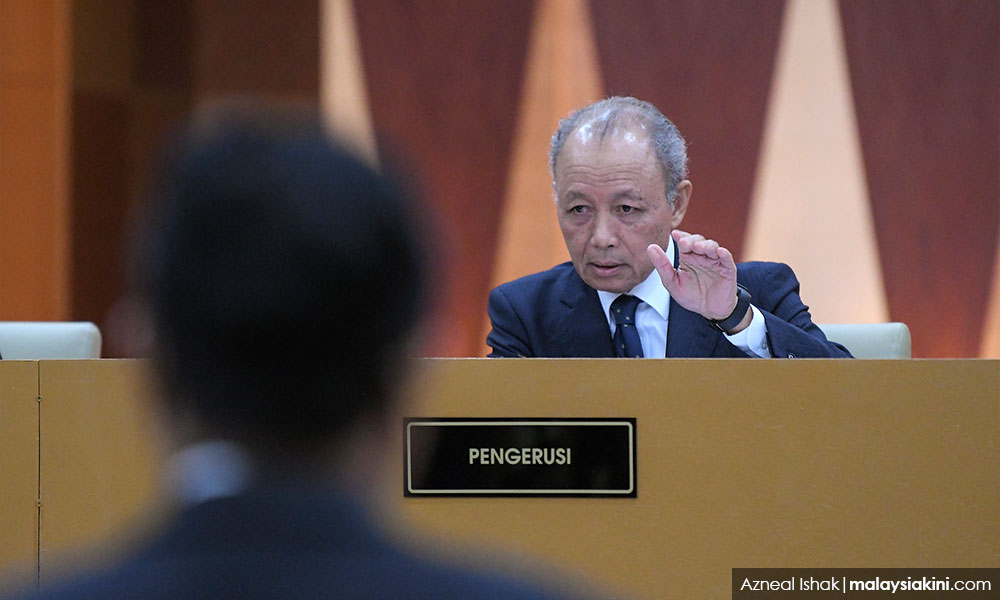
The RCI was led by former chief justice Arifin Zakaria as chairperson. He was assisted by former inspector-general of police Norian Mai.
Other members included former ambassador to Thailand Nazirah Hussin, former Public Accounts Committee deputy chairperson Tan Seng Giaw, former chief prosecutor Noorbahri Baharuddin, former diplomat Razali Ismail, and former chief researcher at the Attorney-General's Chambers Junaidah Abdul Rahman.
When was the first grave discovered?
The first graves were discovered on Jan 19, 2015, some five months before the issue hit international headlines.
Police uncovered a migrant camp in the jungle area during a raid on Jan 18 following a tip-off.
Six migrants were found locked up in wooden structures, but others managed to flee into the jungles, a police officer told the RCI.
Police returned to the site the day after to destroy the camp, but stopped when they found graves.
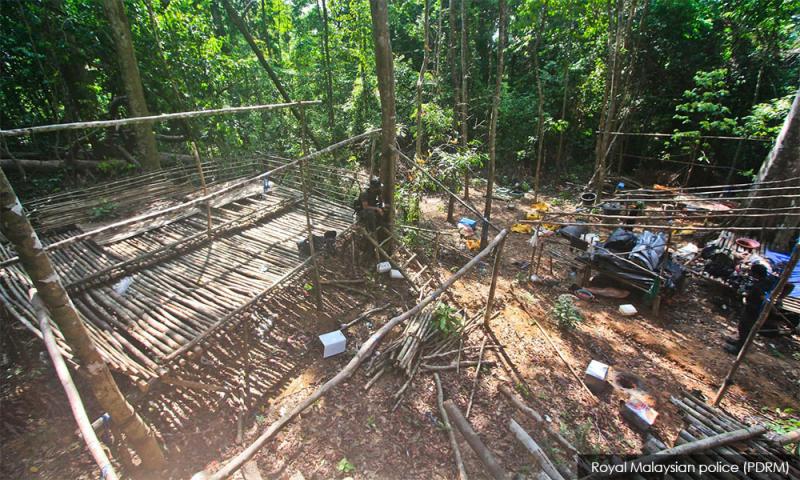
After interviewing the rescued migrants, the team returned to the site on March 6 and found shrouded bodies in 34 grave-like structures, the RCI heard.
The RCI heard Padang Besar police were instructed by a “senior official” to not investigate further and to classify the case as “sudden death”. It was not until May 25 that Bukit Aman conducted a thorough operation and the bodies were exhumed.
Why were migrants held in the Wang Kelian camps?
The RCI interviewed 26 people who were victims of the incident. Their testimonies explained why the camps existed and why so many had died.
Taken by smugglers to the camp as part of the border crossing, they were then held there by traffickers who extorted them for more money.
“The agent would beat us if we did not give money. I was also beaten because I went to relieve myself without asking permission and for not being able to contact my family to ask for money,” Witness 31 told the court.
Another witness said the camp was guarded by five armed Myanmar nationals, who acted as interpreters between the migrants and Thai guards.
“We could not go out of the camp because they were the same people taking turns. But they were not the same people who went uphill with us. There were 20-30 Thais guarding us at the camp,” Witness 5 testified.
Why did so many of them die?
Testimonies of those rescued from the camps reveal poor conditions throughout the journey from Myanmar, which led to sickness and starvation. This was on top of violence by the smugglers.
A witness, identified as Victim 1, testified that his friend was beaten to death when his family refused to entertain the agent's phone call demanding ransom.
The friend was buried in one of the mass graves, with one of the smugglers performing Islamic last rites, he testified.
Victim 1, who was 14 at the time, started his journey from Myanmar in August 2014, some nine months before the prison camp and graves in Wang Kelian were found.
He said he witnessed some 60 deaths on the perilous one-month journey by sea from Myanmar to Thailand, where some 750 migrants were packed into a vessel and kept in severe conditions with poor hygiene and limited food. The bodies were pushed overboard.
Those on board included women, children and infants. Some of the women were raped, he testified.
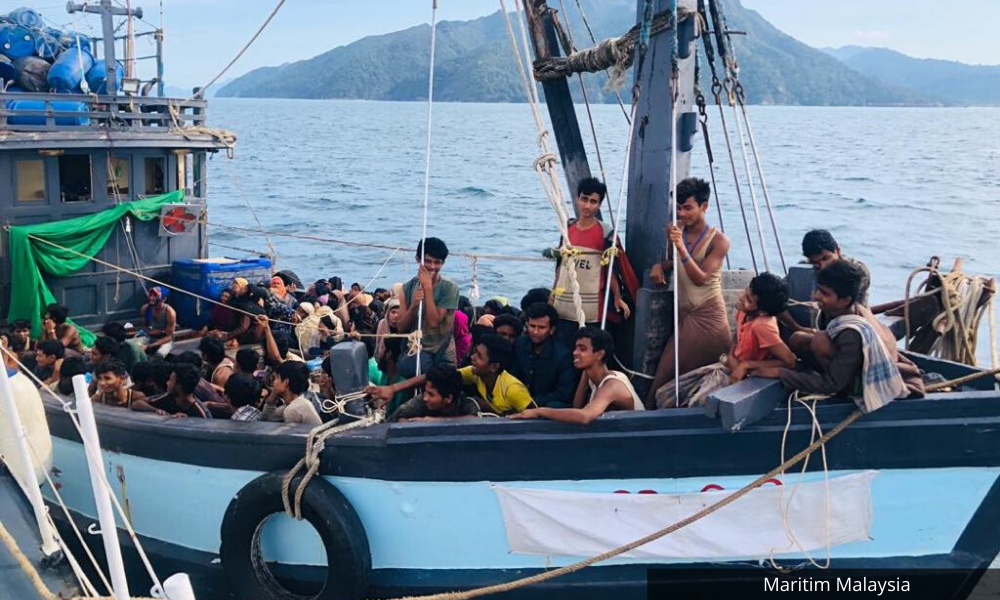
Once in Balok, Thailand, they were told they owed the smugglers about RM7,000 each and were made to trek uphill to a camp, which was surrounded by razor wire. There, some 1,000 migrants were watched by guards armed with shotguns, he added.
After three days, they were moved in smaller groups of about 40 people to another camp, which took eight hours to reach by foot.
At these camps, they were beaten, raped or caned if their families did not pay a ransom.
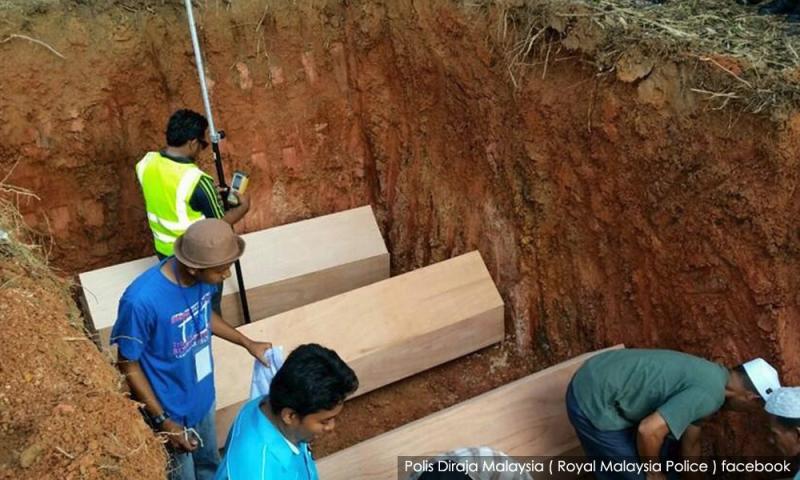
Autopsies conducted on the bodies exhumed from the mass graves were unable to determine the causes of death as the bodies were highly decomposed, the authorities said in 2015.
However, the post-mortem examinations done by a pathologist at Sultanah Bahiyah Hospital, Alor Setar, found many had faced starvation.
Then Kedah menteri besar Mukhriz Mahathir announced this during the reburial of the remains at Kampung Tualang in Pokok Sena in August 2015.
Were Malaysians involved?
According to testimonies, the traffickers were Rohingya, Myanmar nationals, Thais and Bangladeshis.
They were guards at the camp or agents who brought the migrants to the camp, the RCI heard.
The involvement of Malaysians was limited to being tekong (transporters) after the migrants had crossed the border, to determined destinations in Malaysia, the RCI heard.
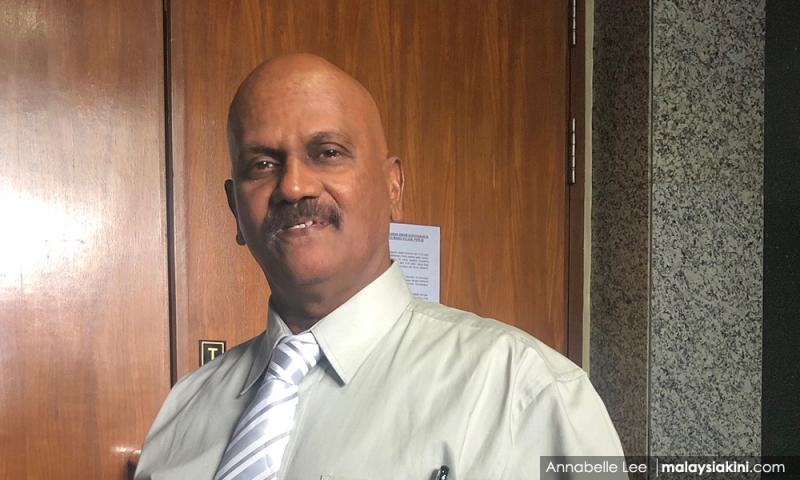
A retired police officer T Sivaganam also told the RCI he received a tip-off on Jan 20 that local villagers were assisting the syndicates in transporting the migrants.
Other foreign nationals residing in Malaysia also played this role. They made arrangements for the journey and found jobs for the migrants.
Was there corruption involved?
No, the RCI did not find evidence of corruption or abuse of power among enforcement personnel and public officers in Malaysia.
This was despite 12 police officers being detained in 2015, soon after the discovery of the mass graves, two of whom were suspected to be transporting migrants.
Further, during the RCI, a police inspector had testified that he was instructed to file a false police report pertaining to five migrants arrested in Wang Kelian in March, two months before the mass graves hit headlines.
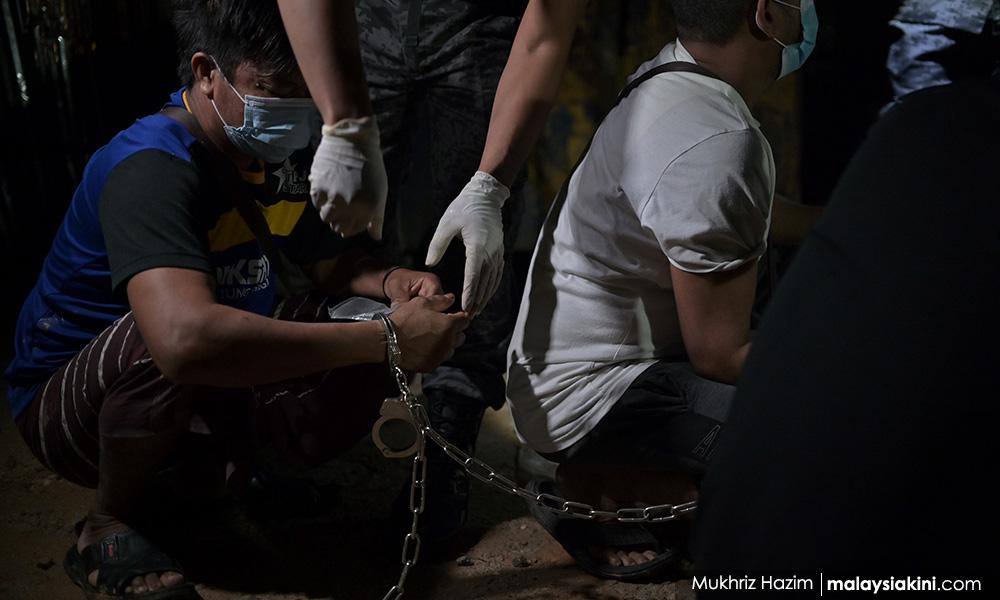
The inspector testified he was handed the migrants, whose hands were bound by cable ties, by about 10 individuals believed to be from the Special Branch.
He was then instructed by his superior to file a report stating that he had arrested the migrants himself.
Another police officer, who led a team to surveil and later destroy human trafficking camps in the jungle near the Malaysian-Thai border in January, also testified that his superior instructed him to delete photographs of the operations.
If it wasn’t corruption, how did the smuggling activities persist?
RCI chairperson Ariffin in the report questioned how such smuggling activities could happen undetected by those whose job was to secure the borders.
The commission’s visits to the borders at Bukit Wang Burma and Genting Perah in Wang Kelian, as well as Sungai Golok and Pengkalan Kubur in Kelantan, found there were weaknesses in border security.
It found an insufficient number of personnel stationed at the borders and a lack of equipment, including vehicles to patrol the area.
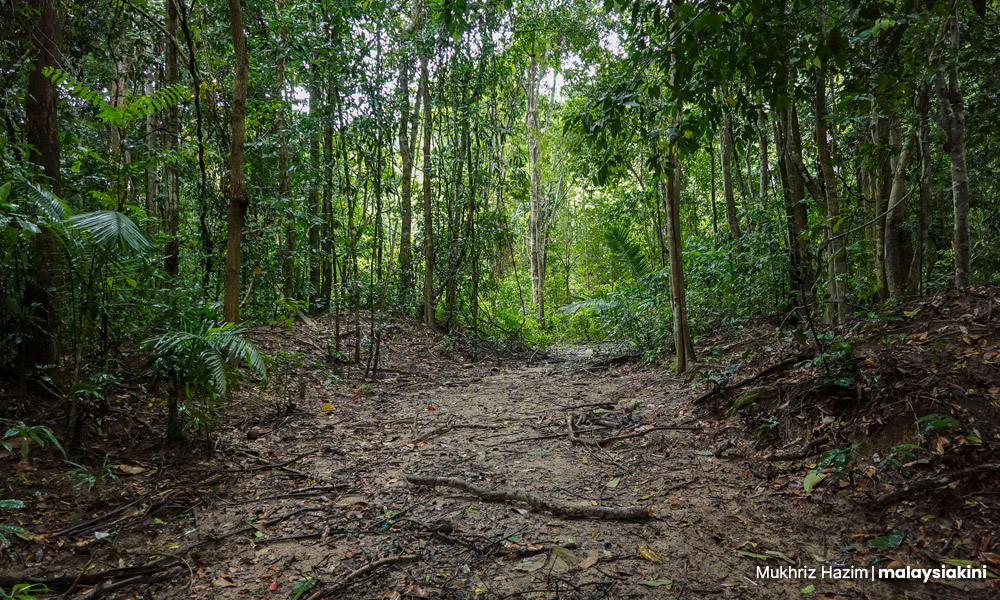
It also found the fences and walls were not comprehensively built, leaving the porous border areas open to easy infiltration, while existing assets were not well-maintained.
There were no records of agencies communicating with authorities in Thailand over the matter either.
The RCI said enforcement agencies failed to raise the alarm when they noticed an influx of undocumented migrants entering from 2012, until the discovery of the graves in May 2015.
There was also a lack of a unified body to manage border security, leaving the various security agencies to act in silos, it found.
Has anyone been prosecuted in Malaysia?
In May 2016, four foreign men were charged in the Magistrate's Court in Kangar with the trafficking of migrants at Wang Kelian.
The men, aged 18 to 46, are Myanmar nationals, Bangladeshi and Thai. They were all convicted and are serving a jail sentence.
In April this year, another Thai national linked to the Wang Kelian incident was charged in the Kangar Sessions Court. The case is pending.
Did the RCI identify the people responsible for the deaths?
No. To date, no one in Malaysia has been charged with causing the deaths. The RCI also found no evidence that could lead to the arrest of any Malaysians.
What actions were taken in Thailand?
The security forces in Thailand discovered a mass grave and migrant prison camp on May 1, 2015, when it rescued a victim near Padang Besar in the Sadao district of Thailand, located 300m from the Thai-Malaysian border.
They first found 32 bodies, with another 36 discovered in nearby graves a week later.
That same week, Thai prime minister Prayuth Chan-ocha ordered a probe and a clean-up of those sites within 10 days.
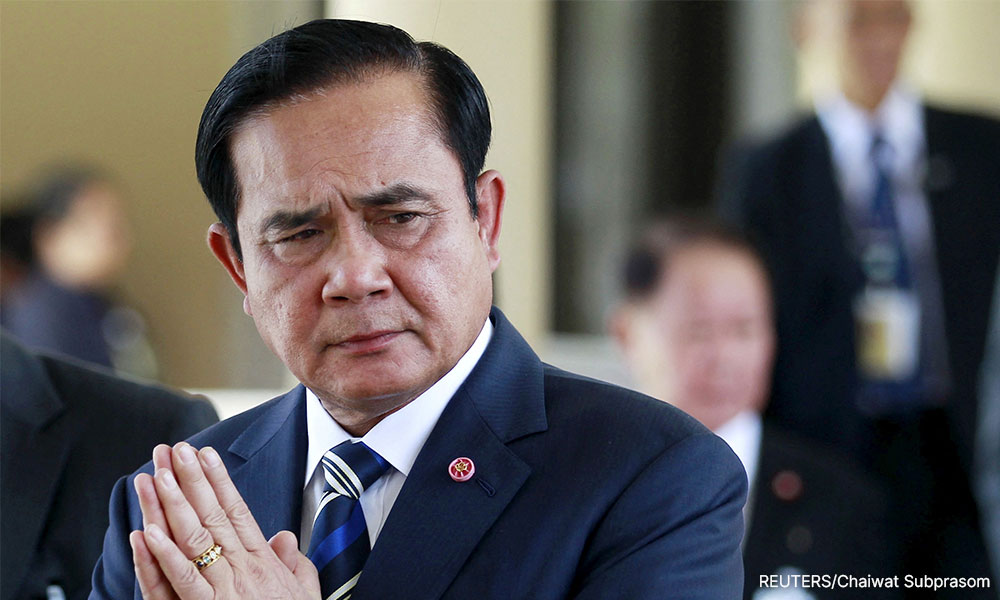
This prompted police to immediately transfer more than 50 police officers because the commanders in the local areas “knew who was involved in what”.
Unlike in Malaysia, some 62 individuals, including senior Thai government officials, have been convicted of crimes related to the mass graves.
They were sentenced to up to 94 years in prison for crimes including trafficking and murder of Rohingya refugees from Myanmar and Bangladesh, in 2015.
Those convicted included a senior military officer of the Internal Security Operations Command, Manas Kongpan, who was sentenced to 27 years in jail while the mayor and deputy mayor of the border town of Padang Besar was sentenced to 78 years in jail. The administrator of the Satun province was sentenced to 75 years in jail.
Following the investigation into the trafficking of Rohingya and Bangladeshis, the Thai authorities issued 153 arrest warrants. However, 50 individuals named in the arrest warrants remain unaccounted for.
During the trial which took place from October 2015 to February 2017, more than 200 witnesses testified and 1,800 evidentiary documents were reviewed.
What did the RCI recommend?
The recommendations mostly pertained to border security.
Among them was the need for a more cohesive and less ad hoc government policy on migrant management.
One other key recommendation was to empower Agensi Kawalan Sempadan Malaysia (Aksem) as the overarching body to manage border control, akin to the practice in Canada and Australia.
Aksem was established in 2015, and was made up of 10,000 personnel from the army, police, the police’s light infantry unit General Operations Force (GFO), and the Anti-Smuggling Unit.
However, in 2021, two years after the RCI, Aksem was disbanded and border control was placed entirely under the purview of the GFO.
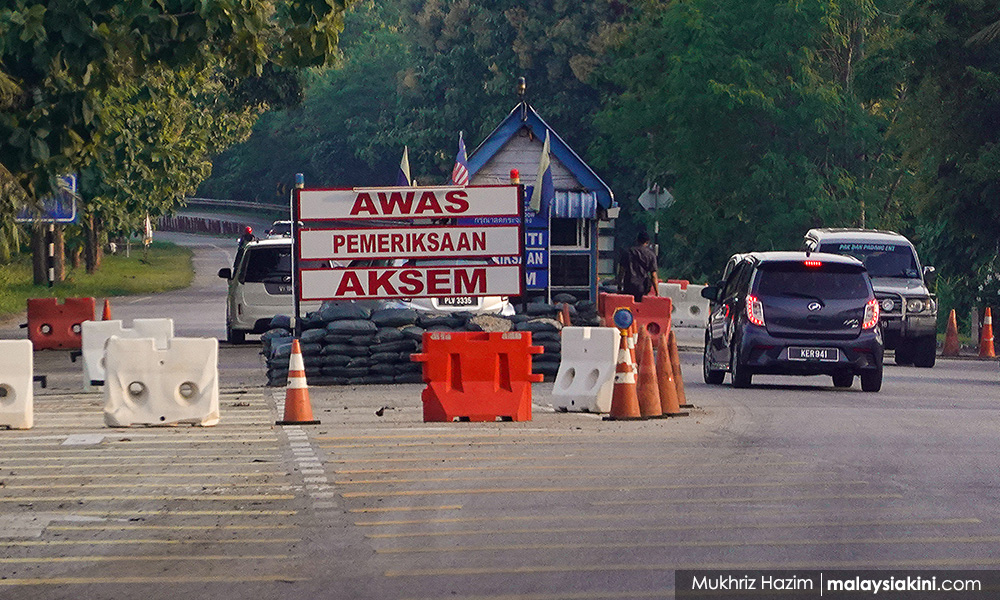
When it was disbanded, Aksem had 900 personnel including those seconded by Customs and the Immigration Department.
Up to 2019, it had conducted 2,400 seizures and arrests, with items worth RM145.52 million seized.
Has people smuggling at the border been stamped out?
No. Checks by Malaysiakini found that human trafficking activities have moved some 64km away from Wang Kelian, closer to the border at Bukit Kayu Hitam, Kedah.
The GFO has also reported various arrests relating to human trafficking activity there and on the Thai-Kelantan border.
Read more:
/file/publisher-c1a3f893382d2b2f8a9aa22a654d9c97/2022/09/09147c429dc30f8c6f7e85aee7b9fc45.jpg)


Report this comment
Are you sure you want to delete this comment?
This action cannot be undone.