
KINIGUIDE | Polemics surrounding FT Mufti Bill
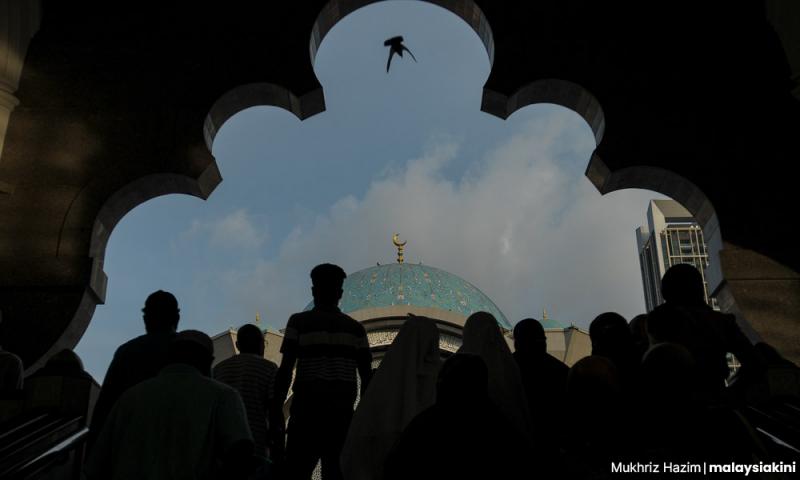
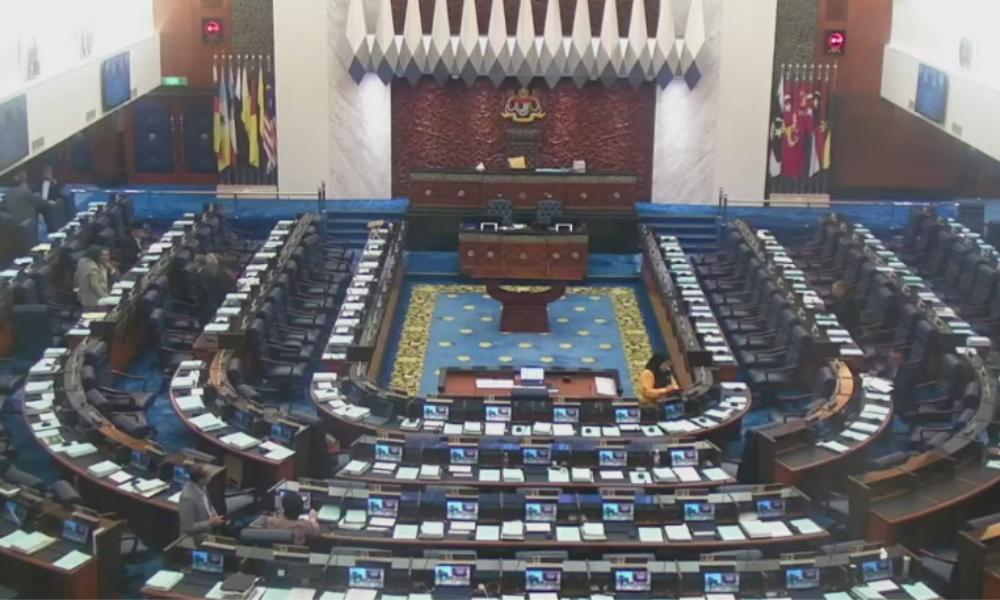
KINIGUIDE | The Federal Territories Mufti Bill 2024 will be a focal point at the ongoing Dewan Rakyat session that started on Monday, as its second and third readings are set to be presented amidst growing opposition and widespread criticism.
Initially, the controversy surrounding the government’s intention to introduce the Bill centred on the qualifications to become a mufti, specifically the requirement for them to be Ahli Sunnah Wal Jamaah (adherent of the Sunni creed).
The focus is on Section 3(4) of the Bill, which defines Ahli Sunnah Wal Jamaah as adhering to the al-Asyairah and al-Maturidiyah stream on matters of akidah (faith), the Syafie school of Islamic jurisprudence (as well as other Sunni schools in certain circumstances) in matters of syariah, and principles brought by Imam Junaid al-Baghdadi and Imam al-Ghazali on matters of Sufism.
Objections to the use of the term Sunni to solely refer to the al-Asyairah and al-Maturidiyah schools of thought were first raised by Perlis Mufti Mohd Asri Zainul Abidin.
This requirement would disqualify anyone following other schools, such as Salafism, from holding the post of Federal Territories mufti.
However, the debate over the bill has since expanded to encompass other aspects. In this edition of KiniGuide, Malaysiakini aims to unravel the key issues surrounding this ongoing controversy.
KINIGUIDE | The Federal Territories Mufti Bill 2024 will be a focal point at the ongoing Dewan Rakyat session that started on Monday, as its second and third readings are set to be presented amidst growing opposition and widespread criticism.
Initially, the controversy surrounding the government’s intention to introduce the Bill centred on the qualifications to become a mufti, specifically the requirement for them to be Ahli Sunnah Wal Jamaah (adherent of the Sunni creed).
The focus is on Section 3(4) of the Bill, which defines Ahli Sunnah Wal Jamaah as adhering to the al-Asyairah and al-Maturidiyah stream on matters of akidah (faith), the Syafie school of Islamic jurisprudence (as well as other Sunni schools in certain circumstances) in matters of syariah, and principles brought by Imam Junaid al-Baghdadi and Imam al-Ghazali on matters of Sufism.
Objections to the use of the term Sunni to solely refer to the al-Asyairah and al-Maturidiyah schools of thought were first raised by Perlis Mufti Mohd Asri Zainul Abidin.
This requirement would disqualify anyone following other schools, such as Salafism, from holding the post of Federal Territories mufti.
However, the debate over the Bill has since expanded to encompass other aspects. In this edition of KiniGuide, Malaysiakini aims to unravel the key issues surrounding this ongoing controversy.
What is the Federal Territories Mufti Bill?
The Federal Territories Mufti Bill was tabled for its first reading in the Dewan Rakyat by the Minister in the Prime Minister's Department (Religious Affairs) Mohd Na’im Mokhtar on July 2, 2024.

The bill seeks to provide laws regarding the mufti, the issuance of fatwas (religious edicts), Islamic law and doctrine, and other matters.
Na’im explained that the bill would detail the functions and roles of the mufti in advising the Yang di-Pertuan Agong on religious matters, procedures for issuing fatwas, providing opinions on Sharia law in court, as well as determining the qibla direction.
The bill also outlines committees such as the Federal Territories Fatwa Committee, the Falak Syarie (Islamic Astronomy) Committee, the Rukyah Hilal (Moon Sighting) Committee, and the Islamic Religious Teaching Supervisory Committee chaired by the mufti.
After the first reading, the bill was deferred following objections from Raja of Perlis Tuanku Syed Putra Jamalullail. However, the government has recently confirmed that the second and third readings will proceed without any amendments.
What are the objections to the bill?
Beyond the initial objection related to the qualifications for appointment as mufti, further criticisms have emerged, pointing out weaknesses in the bill, thus intensifying the controversy.
The bill has attracted the attention of not only religious scholars but also various individuals and NGOs.
Among those who voiced their opposition is former law minister Zaid Ibrahim, who argued that the bill exemplifies authoritarian governance under the current Madani administration.
Zaid warned that once the bill is passed, it would grant the mufti significant influence at the federal level.

He pointed out that if the Federal Territories mufti issues a fatwa prohibiting tobacco or mandates that Muslims only dine at halal-certified restaurants, these fatwas would become legally binding in the Federal Territories.
Human rights lawyer Latheefa Koya also criticised the bill, claiming that it diminishes the role of the Yang di-Pertuan Agong as the head of Islam as outlined in the constitution.
Section 4(1) of the bill, according to her, would make the mufti the “chief authority” in Islamic legal matters in the Federal Territories, next to the Yang di-Pertuan Agong.
She further argued that under the new law, the mufti, through binding fatwas, could interfere in the daily lives of Muslims and their right to practise religion according to the Quran and Hadith.
Latheefa also claimed that the bill would establish an unprecedented control mechanism, making every fatwa automatically binding on all Muslims without exception or qualification.

This is in contrast to the current law, where Section 34(3) of the Federal Territories Islamic Law Administration Act 1993 provides exceptions for personal observance, belief or opinion.
In addition, Sisters In Islam (SIS) expressed concerns that passing the bill would grant unchecked power to religious authorities, making them immune from legal action.
The women’s rights organisation argued that this would shield religious authorities from accountability and blur the lines between gazetted and non-gazetted fatwas, as Section 11 of the bill makes all such decisions legally binding.
Does the bill affect non-Muslims in Malaysia?
No. The Bill only applies to the Muslim community in the Federal Territories, and the fatwas issued do not apply to non-Muslims.
What do the bill’s supporters have to say?
Despite the objections, there has been support for the government's plan to introduce the Federal Territories Mufti Bill.
Na'im clarified on Monday that the bill was not drafted hastily but went through a careful and lengthy process. A committee was formed in 2021 to study and draft specific legislation for muftis.
The committee included representatives from the Federal Territories Mufti Office, the Islamic Development Department (Jakim), the Attorney-General's Chambers, the Syariah Judiciary Department, the Federal Territories Syariah Court, the Federal Territories Islamic Religious Council, and the Selangor Mufti Department.
He emphasised that the drafting of this bill is part of the government's efforts to elevate and empower the institution of the mufti in the Federal Territories.
Previously, nine state muftis, including those from the Federal Territories, Perak, Selangor, Sabah, Pahang, Kedah, Negeri Sembilan, Terengganu, and Melaka, had expressed their support.
Bangi MP Syahredzan Johan rejected Zaid's interpretation of the bill.

The DAP lawmaker said Zaid’s claim that the bill would make fatwas enforceable nationwide was incorrect and explained that similar provisions already exist at the state level.
Syahredzan said Zaid may not be aware of the Syariah Criminal Offences (Federal Territories) Act 1997, which addresses offences against the order of a mufti issued through a fatwa in the Federal Territories.
In addition, the issuance of fatwas involves both the Federal Territories Fatwa Committee and the Yang di-Pertuan Agong, ensuring a system of checks and balances.
Will the bill turn Malaysia into an Islamic state?
According to Communications Minister Fahmi Fadzil, this bill will not make Malaysia an Islamic state, as claimed by 14 groups based in Sarawak and Sabah.
He pointed out that the bill is similar to the Sabah’s Fatwa Enactment 2024, which has been in place for 20 years.

He also cited how the lives of people in Sabah and Sarawak have remained unchanged, allowing them to continue practising their traditional customs and festivals according to their respective ethnic groups.
Nevertheless, some political parties, including MCA and United for the Rights of Malaysians Party (Urimai), have raised concerns about fatwas not needing to be gazetted, which could lead to the establishment of an Islamic state and undermine the position of the Yang di-Pertuan Agong as the head of Islam.
/file/publisher-c1a3f893382d2b2f8a9aa22a654d9c97/2022/07/19c6e2102a0ffd8c43f98b542e5b0a0d.jpg)

/file/publisher-c1a3f893382d2b2f8a9aa22a654d9c97/2024/10/70dd5420a4fd46a2549e8df14a18da68.jpg)
/file/publisher-c1a3f893382d2b2f8a9aa22a654d9c97/2024/10/bc98aa74c1de87bd3645b0c46d791e18.jpg)
/file/publisher-c1a3f893382d2b2f8a9aa22a654d9c97/2021/12/f95b496000e730730a6260be51ec9a6f.jpg)
/file/publisher-c1a3f893382d2b2f8a9aa22a654d9c97/2024/07/89ddb9b0bda9358603d6e85557597eac.jpg)
/file/publisher-c1a3f893382d2b2f8a9aa22a654d9c97/2020/07/f092dd2f912e05ebaafc5277ecad92e6.jpg)
/file/publisher-c1a3f893382d2b2f8a9aa22a654d9c97/2022/09/4f02a6bffa726fac1fbfd10a6eb8f3bb.jpg)
/file/publisher-c1a3f893382d2b2f8a9aa22a654d9c97/2021/07/c7c7eec58df46869c6d7c9ad252de13f.jpg)
/file/publisher-c1a3f893382d2b2f8a9aa22a654d9c97/2020/07/0d426fff7c05e1f67e88b839b3814f7e.jpg)
Are you sure you want to delete this comment?
This action cannot be undone.