




Israeli diplomat's visit: M'sia must abide by UN rules, say ex-diplomats
While no country can push Malaysia to recognise Israel and there is no pressure in the United Nations that can be applied against Malaysia in the matter, the country must allow any UN member states into the country when it is hosting a UN-linked event, said former diplomats.
"There's no pressure that can be applied on us to agree except if we are doing international events where no discrimination is allowed," former UN general assembly president Razali Ismail told Malaysiakini.
"If you want to do the Olympics, you cannot prevent somebody from taking part in something like that because that is an event that you cannot show any discrimination," he added...
While no country can push Malaysia to recognise Israel and there is no pressure in the United Nations that can be applied against Malaysia in the matter, the country must allow any UN member states into the country when it is hosting a UN-linked event, said former diplomats.
"There's no pressure that can be applied on us to agree except if we are doing international events where no discrimination is allowed," former UN general assembly president Razali Ismail told Malaysiakini.
"If you want to do the Olympics, you cannot prevent somebody from taking part in something like that because that is an event that you cannot show any discrimination," he added.
Israel's former deputy ambassador to UN David Roet was quoted as saying that Israel had to resort to applying "extensive diplomatic pressure" in order to participate in the UN Human Settlements Programme conference in Kuala Lumpur earlier this week.
According to a report in The Jerusalem Post, Israeli diplomats had brought the matter all the way to the office of UN secretary-general António Guterres (photo).
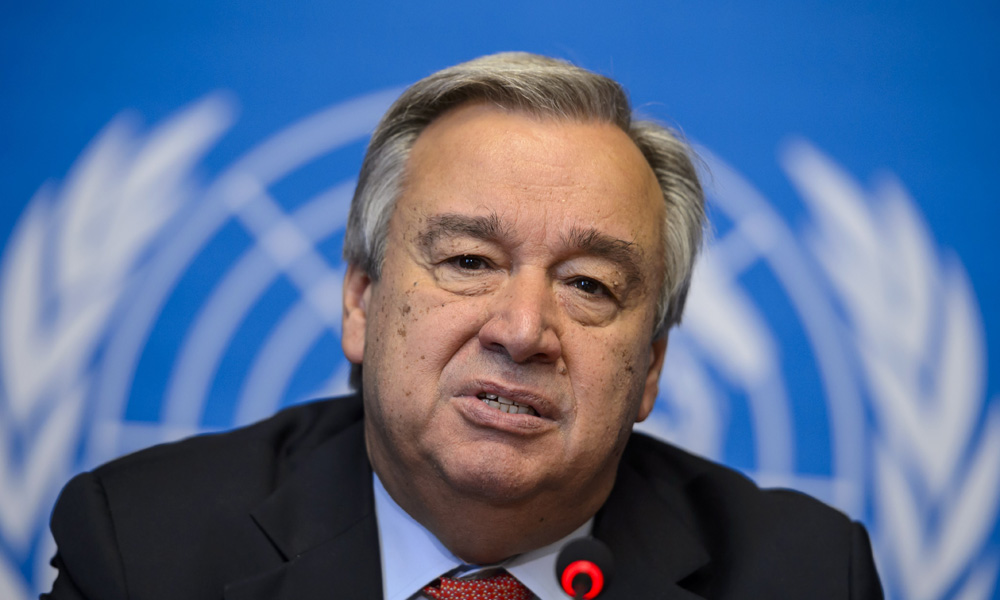
Meanwhile, Razali said he is happy if Malaysia had indeed made adjustments to allow the Israeli delegation, cautioning against rigidity in the matter.
"The point is you shouldn't hate people. You can hate (Israeli Prime Minister Benjamin) Netanyahu, you can hate the regime but no country should hate people of other countries.
"These are architects, engineers, they have nothing to do with politics. We must honour their professionalism," added Razali.
Should Malaysia have insisted in not allowing the delegation into the country, the UN, he said, would not have allowed the event to be held in the country.
"Of course, they can get their big brother the US to pressure us but that's an entirely different political issue, would the US do it? And how will we react to it?"
Gov't handled the matter well
Razali also commended Malaysia in handling the matter relatively well.
"I didn't hear of any local people complaining about it.
"Well, there were (several quarters that expressed dissatisfaction) but I think it was courageous of the organisers to allow them to come in," he added.
Former ambassador to Chile and Argentina Dennis Ignatius also said that the UN could have demanded Malaysia to live up to its obligations in hosting a UN conference and allow all UN members to participate as per the standard norms.
"If Malaysia refuses, the UN could have decided to cancel the conference or not allow Malaysia to host further UN conferences.
"Israel might have also asked the US to put some pressure on Malaysia to abide by international rules concerning UN conferences," he said.
Caution against 'myopic nationalism'
Meanwhile, former senior civil servant Mohd Sheriff Mohd Kassim cautioned local anti-Israel groups against being "myopically nationalistic or too religiously puritan" if Malaysia wants to host international conferences.
He pointed out how world medical conferences had a lot of Israelis as they are world leaders in research and cutting-edge discoveries.
This is also the case for music conductors and cultural performers as they often tour Southeast Asia, added Sheriff.
"If we keep on banning Israel, we are the losers. The Palestinian issue should not lead to the closing of our mind on everything Israeli or Jewish.
"I am glad the government allowed the Israelis to participate in the recent World Urban Forum. The government did the right thing as it is a UN convention."
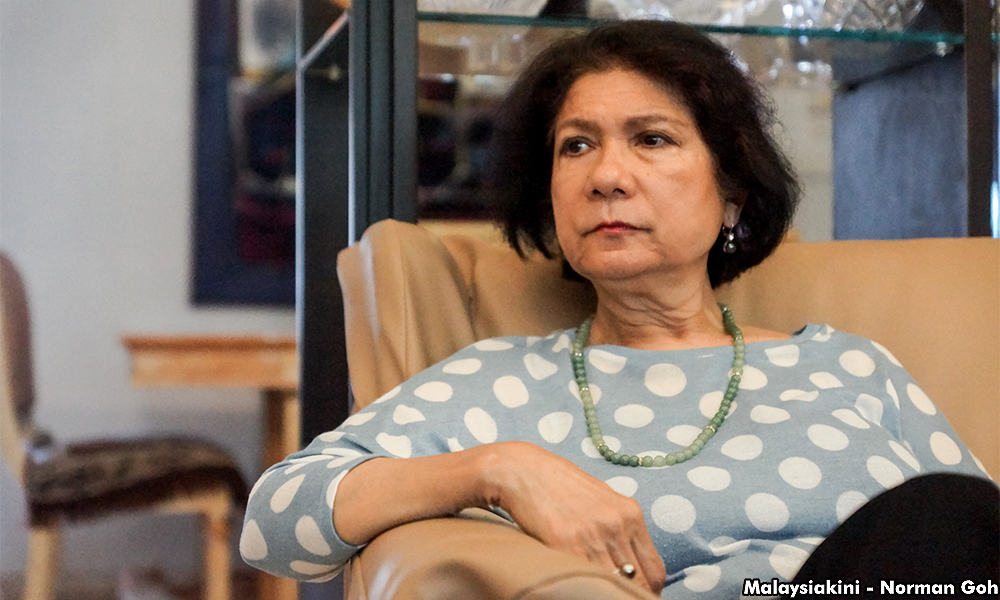
Like the others, former ambassador to the Netherlands Noor Farida Ariffin (photo) also said Malaysia as a UN member cannot ban other UN members including Israel from participating in international conferences or international sports events that it hosts.
"Opposition parties should not make an issue of this just to score political points.
"They have to remember that if they were to form the government they would have to abide by the same UN rules concerning the participation of Israel in international events hosted by Malaysia," she said.
'Why be seen to be hiding?'
Meanwhile, admitting that while host countries are obliged to allow all UN member countries to attend both a UN or UN-linked event, former ambassador to Uzbekistan Redzuan Khushairi questioned the "secretive" manner in how it had been handled.
Redzuan also said he was not surprised if Israel had lobbied a close friend of it to put pressure on the Malaysian government.
"Yes, if we made the bid to host and won, we have to accept the condition. But why try to hide or be seen to be hiding? Be transparent and accountable.
"They (the government) must be worried of the opposition parties and Malay Muslim NGOs. But in this Internet and social media age, they should know better - trying to hide makes things look bad for them," he said.
The visit by the delegation of Israeli diplomats to Malaysia had marked the first of its kind.
Several quarters had questioned the government over the matter, with a group of NGOs saying that the solidarity rally with Palestine had only proven to be mere "empty rhetoric".
The Foreign Ministry had then clarified that the participation of the Israeli delegation was not its call and that it was based on an invitation issued by the UN.


确定要删除留言?
此后将无法恢复